A Complete Guide to Commercial Building Appraisal in Waterloo Region
Commercial real estate in Waterloo Region moves on a different clock than Toronto or Hamilton. Technology firms fill renovated brick-and-beam offices a short walk from LRT stops, while advanced manufacturers push for larger footprints in the townships. Retail strips in Cambridge behave differently than mixed-use nodes in Waterloo’s uptown. Those nuances shape value, and they make the craft of commercial building appraisal here more than a formula on a spreadsheet. It is local data, interpreted with judgment, then tested against what the market actually pays.
This guide unpacks how commercial building appraisal works in Waterloo Region, how appraisers weigh evidence, what lenders expect, and how owners, buyers, and developers can prepare. It draws on the real flow of deals and the on-the-ground details that bend the curve on value, from zoning overlays near ION stations to environmental constraints along the Grand River.
What a commercial appraisal really answers
A commercial appraisal is an independent, evidence-based opinion of market value for a specific property as of a specific date. Market value is what the property should sell for after reasonable exposure time, in an open market, with a willing buyer and seller and no unusual pressure. In practice, the report answers four questions.
- What can the property legally and physically be, at its highest and best use.
- What income can it generate, stabilized and after typical expenses.
- What do comparable buyers pay for similar risk and utility.
- How much would it cost to replace or rebuild the improvements, less depreciation.
In Waterloo Region, those answers are filtered through a local lens. An office floorplate that works for a tech tenant in Uptown Waterloo may sit longer in Preston. A 100,000 square foot industrial building with 28 foot clear height near Highway 401 will attract a different pool of buyers and lenders than a 1960s tilt-up with 16 foot clear in Kitchener’s core. Local context carries weight.
When appraisals are needed, and why scope matters
Lenders order appraisals to underwrite mortgages and construction loans. Buyers commission them as a second set of eyes on price. Owners use them for IFRS or ASPE financial reporting, estate planning, partnership buyouts, and litigation. Municipal and provincial bodies rely on appraisals for expropriation, right-of-way takes, and environmental remediation claims. Developers need them to unlock financing at key milestones, often tied to site plan approval or pre-leasing.
Scope changes with purpose. A refinancing of a stabilized industrial facility might need a full narrative report with a reliance letter to the bank syndicate. A partial taking along a regional road widening could call for a before-and-after valuation and separate opinions on injurious affection. A commercial property assessment in Waterloo Region for tax appeals follows MPAC rules and dates, not lender policy. Good appraisers define scope up front and set realistic timelines.
Local forces that shape value
The region’s value story starts with people and infrastructure. A few practical realities keep showing up in the numbers.
Tech gravity and university adjacency. The University of Waterloo and Wilfrid Laurier University spin out firms and talent. Foot traffic and amenity-rich buildings near the ION line support stronger office and retail rents than car-dependent strips, although hybrid work has widened the gap between best-in-class and everything else.
The 401 and goods movement. Industrial demand clusters along the 401 corridor and key interchanges, with logistics and advanced manufacturing tenants prioritizing yard space, trailer parking, and clear heights. Small-bay flex remains liquid in Kitchener and Cambridge, but function matters more than address alone.

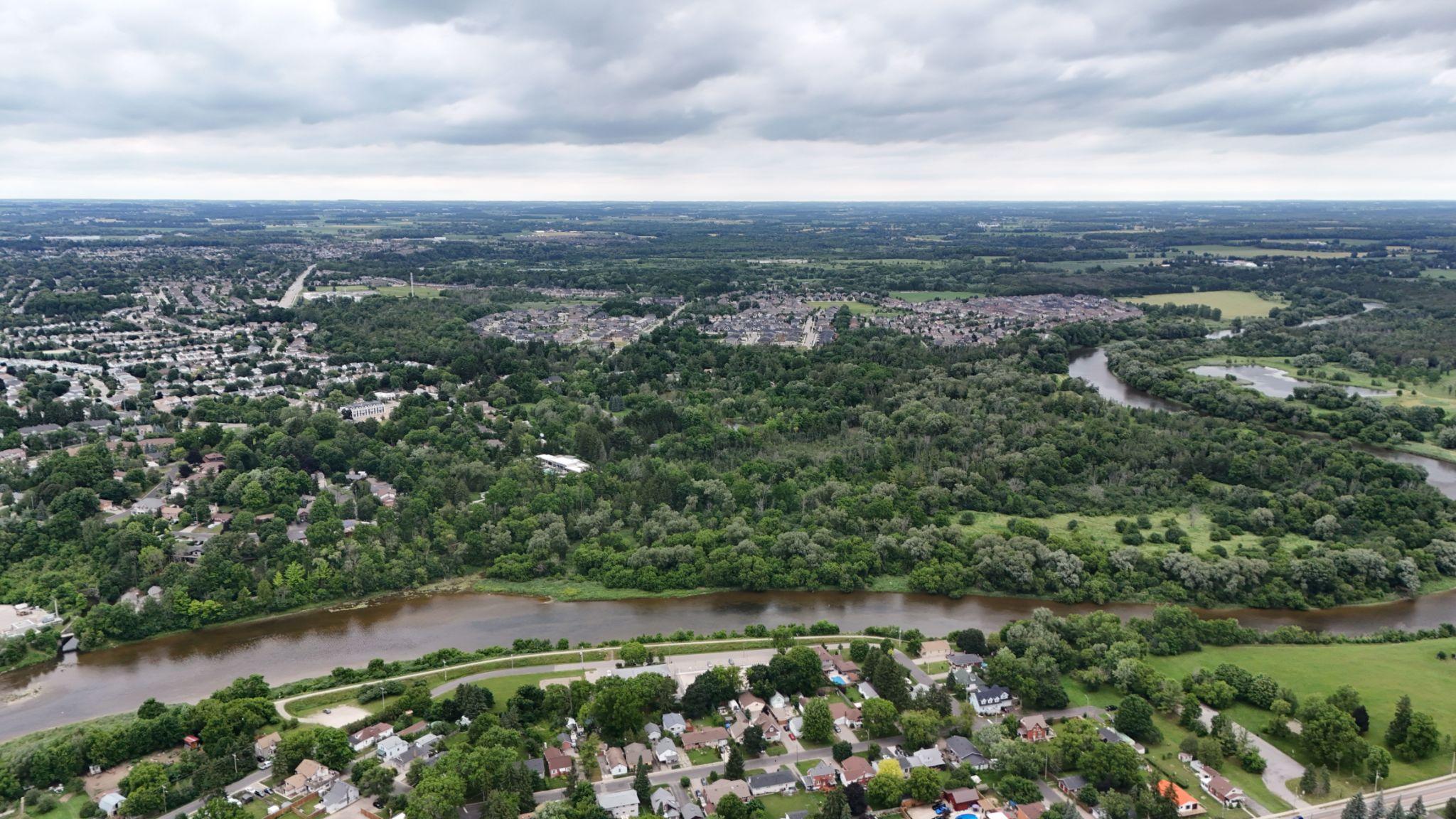
Transit and zoning overlays. Station Area Planning has unlocked density along the LRT, especially for mixed-use and multi-residential over retail. That pushes some older commercial uses toward redevelopment value, but timing, holding costs, and approvals risk create spread between potential and present value.
Heritage and environmental layers. Brick-and-beam buildings carry character premiums if upgraded, yet heritage designations bring constraints, and older sites near former industrial corridors often require environmental due diligence. Lenders cost in risk if uncertainty remains.
The three valuation approaches, and when they carry weight
Appraisers do not treat every approach equally. Local market evidence determines which method gets primacy.
Income approach. For income-producing assets, the income method leads. Appraisers reconstruct net operating income based on market rents, stabilized vacancy, and typical expenses, then apply a capitalization rate or discounted cash flow. In Waterloo Region, cap rates vary with asset class and risk. As a directional view, stabilized single-tenant industrial with long term covenants might trade in the mid 5s to low 6s when rates and credit align, while older multi-tenant industrial with capital needs may require 6.5 to 7.5 or more. Neighborhood retail plazas with strong grocers and service tenants can compress into the 5.5 to 6.5 range in healthy conditions, while secondary retail pushes wider. Office has bifurcated, with premier space near transit and amenities tightening, and commodity office often requiring cap rates in the high 7s to 9 plus, layered with higher vacancy and leasing cost allowances. Multi-residential with 5 or more units is its own ecosystem, with cap rates that have moved upward since 2022. Ranges depend on rent control dynamics, suite mix, and building condition.
Direct comparison approach. For small commercial condos, newer industrial condos, and well-traded small-bay assets, sales comparison can carry equal or greater weight than income. Adjustments account for date of sale, size, configuration, ceiling height, yard access, parking ratios, and condition. Waterloo Region offers enough transactional depth in some categories to make this work, but the best appraisals validate adjustments with rent and expense cross-checks.
Cost approach. Cost is most persuasive for special-purpose properties and newer builds, especially where there are few comparable sales and income is either not applicable or distorted by related-party leases. Appraisers estimate replacement or reproduction cost, deduct physical, functional, and external obsolescence, and add land value. Think cold storage with significant refrigeration investment, research facilities with clean rooms, or places of worship. For standard office or retail, cost typically supports the other approaches rather than leading.
Highest and best use in a changing corridor
Highest and best use analysis is not abstract theory in this region. Properties along the ION corridor may have more value as redevelopment sites than as stand-alone single-story retail, but only if density, parking solutions, servicing, and market absorption line up. Appraisers test legal permissibility under current zoning and policy, then feasibility and profitability.
A familiar pattern appears on corner sites with older buildings near stations. Land value supported by mid-rise mixed-use, even at conservative density, can exceed the value of a dated retail building. That does not automatically convert to today’s market value, because timing, costs of demolition, development charges, HST self-supply for new residential, and carrying risk often mean a developer will discount heavily. The best appraisals recognize the option value and quantify it rather than wave at it.
Commercial land appraisal, and why good land comps are rare
When clients ask commercial land appraisers in Waterloo Region for a quick value, the honest answer is that land is rarely quick. Comparable sales often hide behind assemblies, conditional deals that never close, or prices that bundle approvals and servicing commitments. Appraisers unpack those deals, breaking out density, timing, and risk.
Zoning and density. A CMU zone near an ION station with as-of-right height and reduced parking ratios prices differently than a general commercial site needing an official plan amendment. Setbacks, stepbacks, heritage adjacency, and urban design guidelines introduce cost and risk that seasoned buyers factor in.
Servicing and site work. Hydro capacity, stormwater solutions, soil conditions, and cut-and-fill requirements drive value. Even in city-served areas, off-site improvements can swing yields. On greenfield commercial land in the townships, frontage on arterial roads and controlled access points can trump raw acreage.
Approvals and agreements. Buying a site with a complete site plan submission differs from buying raw land with a concept sketch. An appraiser verifies status with the municipality and checks for holding provisions, site plan agreements, easements, and encroachments. Land value keys off a realistic glidepath to building permits, with discount rates that reflect entitlement risk.
What lenders and institutions expect
Most lenders active in Waterloo Region require an AACI-designated appraiser, the Canadian standard for commercial work under the Appraisal Institute of Canada. They expect a clear scope of work, definitions, assumptions, and a value conclusion that reconciles approaches logically. Narrative reports remain the norm for larger loans, with detailed rent rolls, lease abstracts, expense breakdowns, and sensitivity tests. For construction, lenders often ask for prospective as stabilized value and, at times, value upon completion, which assumes construction is complete but before lease-up.
Reliance and naming. Banks typically insist the appraisal name them within the report and permit reliance. Syndicated loans may require a reliance letter. Some institutions will not accept reports ordered by the borrower. If you plan to shop lenders, align the instruction letter up front to avoid rework.
Extraordinary assumptions. Where environmental reports are pending or a building condition assessment is not yet complete, appraisers may use extraordinary assumptions. Lenders read those closely and may haircut proceeds or withhold until conditions clear.
What to gather before the site visit
A bit of preparation de-risks the appraisal and can shave days off the timeline. Use this short checklist to get files in order.
- Current rent roll with lease terms, options, and rent steps, plus any inducements or landlord work.
- Three years of operating statements, including property taxes, insurance, utilities, repairs, and management fees.
- Recent capital projects and budgets for upcoming work, including roofs, HVAC, paving, and life safety systems.
- Copies of surveys, site plans, environmental reports, and building condition reports if available.
- Zoning confirmation or correspondence with the municipality, especially for sites near transit overlays or with legal non-conforming uses.
How the appraisal process unfolds
Most full commercial appraisals follow a predictable rhythm. Setting expectations helps everyone hit the dates.
- Scoping call to confirm purpose, lender requirements, valuation dates, and access to documents.
- Site inspection, photos, and measurement confirmation, plus a roof and mechanical review where safe and appropriate.
- Market research, including rent and sale comparables, cap rate evidence, and zoning verification.
- Modeling income and expenses, testing sensitivity to vacancy and leasing costs, and, where relevant, residual land analysis.
- Draft review for factual accuracy on leases and expenses, followed by finalization and direct delivery to the client and lender.
Rents, vacancy, and cap rates, grounded in local evidence
No single number fits every building. That said, patterns repeat across the region, and appraisers lean on them, always corroborated by current comparables and active listings.
Industrial. Vacancy has tended to run tighter than office or retail, though it fluctuates by submarket and cycle. Logistics users focus on clear heights, dock ratios, and 401 proximity. Small-bay units under 10,000 square feet with drive-in doors rent well in Kitchener and Cambridge. Rents for newer mid-bay product often outpace older stock that lacks power, loading, or yard depth. Cap rates compress for longer lease terms with credit tenants, and widen for short term, older buildings, or heavy near-term capital.

Office. Demand remains polarized. Class A space near amenities and transit holds better, but post-2020 hybrid patterns have increased sublease availability in some nodes. Landlords with dated finishes, inefficient floorplates, or limited parking must price aggressively and offer larger inducements and tenant improvement allowances. Appraisers now model higher stabilized vacancy and longer absorption for lease-up in many office scenarios, and they load more leasing costs into cash flows.
Retail. Service-anchored neighborhood plazas with grocery or pharmacy anchors remain resilient. Quick service food with drive-thrus still commands interest along arterial corridors. Fashion and large-format soft goods are more selective. Appraisers separate market rent by pad sites, in-line CRU, and second floor commercial, and they check shadow anchored dynamics. Occupancy costs and sales performance, when available, sharpen the rent estimate beyond surface averages.
Multi-residential 5 plus. Purpose-built rental has seen robust development along transit and in nodes with walkable amenities. Rent control under provincial rules keeps turnover low and creates split rolls of in-place versus market rent. Lenders and appraisers review suite mix, utility separations, and capital expenditure forecasts closely, and they distinguish stabilized properties from https://realexmedia82.gumroad.com/ lease-up assets, which carry initial vacancy and concessions.
Expenses and replacement reserves that lenders watch
Two line items are often underreported by owners and then normalized by appraisers and lenders. Management and reserves. Even for self-managed properties, lenders typically underwrite a management fee, often in a 3 to 4 percent range of effective gross income for smaller properties, with different norms for institutional assets. Replacement reserves for roofs, parking lots, boilers, and elevators show up in stabilized underwriting. Ignoring them can inflate net operating income and distort the cap rate story.
Utilities and tax escalations matter as well. In older multi-tenant industrial with gross or semi-gross leases, utility pass-throughs can leak. In office, utility normalization for submetering versus base building meters avoids apples-to-oranges comparisons. For taxes, appraisers often test the impact of reassessment on pro formas, especially where a property has undergone major renovations or a use change that may alter the assessed value.
Environmental, building condition, and what belongs in the appraisal file
Phase I environmental site assessments and building condition assessments sit next to the appraisal in lender credit files for a reason. A Phase I with recognized environmental conditions shifts risk. Appraisers either make extraordinary assumptions, adopt remediation budgets where credible, or exclude value impact pending more data. Building condition reports inform capital plans, lease negotiations, and reserves.
Older sites near former rail spurs, auto repair shops, and light industrial corridors in Kitchener and Cambridge merit special attention. Along the river, floodplain mapping and conservation authority regulations can constrain redevelopment. Smart appraisals call this out and quantify, not just footnote it.
MPAC assessments versus market value appraisals
A commercial property assessment in Waterloo Region from MPAC is designed for property taxation, not financing. The valuation date is set by provincial regulation, and the mass appraisal model generalizes across neighborhoods and property types. Market evidence in the current year may differ sharply from MPAC’s base year assumptions. Owners sometimes conflate the assessed value with market value, but lenders do not. For appeals, evidence must align with MPAC’s rules, and appraisers tailor reports to those standards. A strong appeal often hinges on reliable comparables and a nuanced understanding of how MPAC classifies space.
Pitfalls and edge cases that trip up deals
Related-party leases can skew income if the rent is below or above market. Appraisers normalize to market, but lenders will ask for proof that leases are arm’s length at renewal. Parking shortfalls near transit overlays can look manageable on paper, then sink a user sale when employee commuting habits collide with reality. Heritage attributes can lift value for the right tenant profile, yet push construction costs high enough to negate the premium. Condoized industrial has become popular, but reserve fund adequacy and declarations vary widely, affecting expenses and lender comfort.
For land, options and vendor take-back mortgages sometimes hide the real price of risk in a deal. Assemblies with staggered closings and conditional periods can take years, and comparable usefulness decays over that window. Appraisers unpack the structure to avoid importing stale or subsidized pricing into new valuations.
Choosing among commercial appraisal companies in Waterloo Region
Not all commercial appraisal companies in Waterloo Region work the same way. Some excel at lender work with tight templates and quick turnarounds. Others specialize in litigation, expropriation, or complex development consulting where scope can sprawl. When selecting commercial building appraisers in Waterloo Region, weigh independence, bench strength, and local data access. Ask who signs the report and which AACI will be your point of contact. Confirm access to databases like CoStar, Altus InSite, RealNet, Teranet, broker networks, and municipal planning portals. In fast markets, appraisers who pick up the phone and verify a rumored deal often outperform slick formatting.
For commercial land appraisers in Waterloo Region, probe their comfort with residual methods and cash flow modeling. Land work lives in feasibility, and the right questions early save pain later. If you anticipate a need for reliance by multiple lenders or partners, solve that in the engagement letter to avoid duplication.
Timelines, fees, and what drives both
Typical timelines for a full narrative appraisal run 2 to 3 weeks from receipt of documents and site access, quicker for small or straightforward assets if comparables are fresh. Complex development files, partial takings, or large multi-tenant properties can stretch to 4 to 6 weeks. Fees reflect time and risk. A stabilized small-bay industrial building might fall in a lower fee band, while a mixed-use development with a residual land value, pro forma lease-up, and sensitivity analyses commands more. Ranges are better discussed with current scope, but two anchors matter: a thorough scoping call up front, and prompt delivery of leases and expenses. Both drive cost and timing more than most clients expect.
How to work with your appraiser, and get a better outcome
Good appraisals are collaborative. Share the warts. If a tenant is behind on rent, say so. If the roof will need replacement in three years, provide quotes rather than hoping the issue goes unnoticed. Provide context on recent negotiations, even if they did not land in a signed lease. Appraisers are not out to depress values. They are out to reflect the market’s view of risk and reward, and the more clearly that view is documented, the more defensible the number.
At the same time, expect pushback on optimistic pro formas. If a rent assumption requires record rates for the submarket, support it with credible evidence. If a redevelopment case underwrites to aggressive absorption, test that against competing supply under construction. The best reports tell a story the lender can repeat in credit committee without fearing the first question.
A final word on judgment and market change
Values are not static. Interest rate moves ripple through cap rates and debt service coverage tests. Construction costs and supply chains reset what it takes to justify new builds. Policy changes around inclusionary zoning or parking minimums can flip the feasibility of a site within a season. Appraisers track those shifts, but they do not claim certainty where it does not exist. They triangulate. Income, sales, and cost, cross-checked with local intelligence.
For anyone planning a purchase, refinance, or redevelopment, the takeaway is simple. Engage early, prepare documents well, and hire for both designation and local immersion. In a market as textured as Waterloo Region, that combination turns a commercial building appraisal from a box to check into a tool you can actually use. And when you search for commercial appraisal companies in Waterloo Region, look beyond the directory. Ask how they think about highest and best use near the ION, what they are seeing for cap rate spreads between small-bay industrial and suburban office, and how they normalize management and reserves. Their answers will tell you whether they can help you face not just the property you have, but the market you are in.
For owners working through a commercial property assessment in Waterloo Region or organizing financing that touches on land value, remember the throughline. Facts first, then interpretation. Every line item in the model should have a source. Every assumption should be tested against current evidence. With that discipline, and a clear-eyed view of local conditions, your appraisal will earn its keep long after the PDF is filed.