Commercial Building Appraisal Cambridge Ontario: A Complete Investor’s Guide
Commercial real estate in Cambridge has a way of rewarding disciplined underwriting and local knowledge. The city sits at the confluence of Highway 401 and the Grand River, one leg of the Kitchener - Waterloo - Cambridge tech and manufacturing triangle. That location, paired with a diverse industrial base and growing population, keeps demand steady across small bay industrial, flex office, and neighbourhood retail. For investors, that strength only matters if the numbers hold. A credible commercial building appraisal in Cambridge, Ontario, is the instrument that trims out the noise and tests the thesis.
What follows blends how valuation actually works in the Ontario context with the nuances of the Cambridge market, the documents lenders expect, and the blind spots that trip up otherwise good deals. It is written for buyers, owners thinking of a refinance, and developers assembling or repositioning sites.
What a commercial appraisal really answers
A report from qualified commercial building appraisers in Cambridge, Ontario, is not just a single number. Read closely, it answers three practical questions.
First, what is the most defensible estimate of market value as of a defined date, given the property’s actual income, costs, condition, and rights? Second, what is the likely market behavior around that value, meaning the supportable cap rate range, rent comparables, and exposure time? Third, what risks could swing the value materially up or down, such as lease rollovers concentrated in the next 18 months, deferred capital needs, environmental flags, or zoning constraints?
Ontario appraisers typically carry the AACI, P.App designation from the Appraisal Institute of Canada. That matters, because most lenders and courts rely on AACI opinions for commercial assets. For smaller income properties, some CRA designated appraisers handle assignments, but institutional lenders on commercial files tend to ask for AACI.
Cambridge, Ontario, through a valuation lens
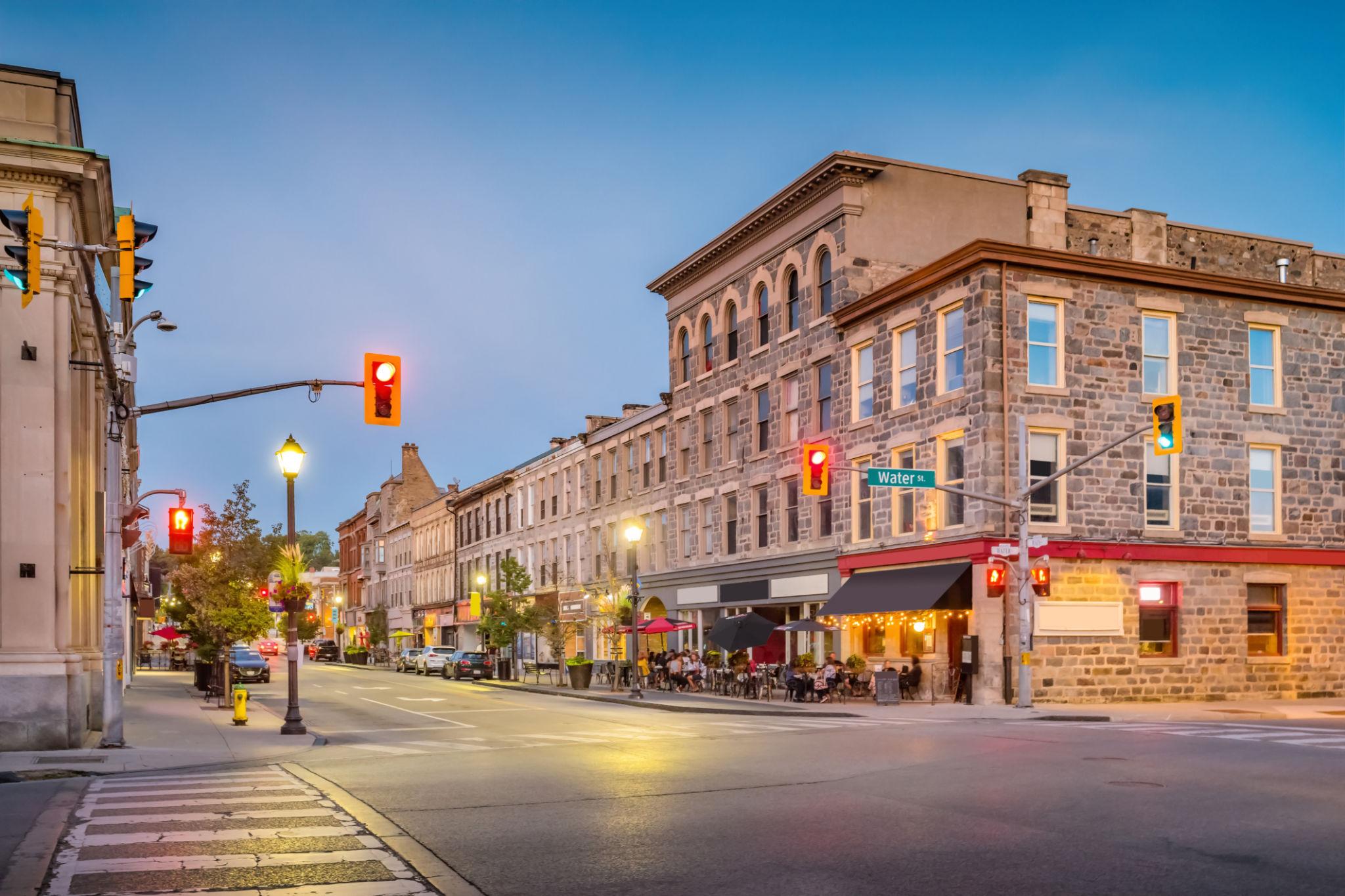
Cambridge grew out of three historic cores, and you can still feel the difference between Galt, Hespeler, and Preston in the stock of buildings and streetscapes. That diversity complicates direct comparison, which is why market segmenting matters as you read a report.
-
Industrial and flex: The 401 corridor and the Franklin Boulevard spine carry much of the industrial inventory. Vacancy has been tight over the last few years in Waterloo Region, often hovering at low single digits, and speculative construction has sometimes lagged tenant demand. Appraisers respond to this by anchoring income approach assumptions to contract rents but testing stabilized market rents and downtime with current leasing evidence from nearby industrial parks.
-
Retail: Strip plazas on arterials can perform solidly if the tenant mix leans toward service and daily needs. Downtown storefronts see more variability, depending on foot traffic and municipal streetscape improvements. Expect comparables to adjust for size, parking supply, and the weight of medical or food service tenants in the rent roll.
-
Office: Suburban office has faced pressure. Class B and C space often requires higher tenant inducements and longer absorption. Downtown Cambridge offices with character features sometimes trade more on user demand than pure yield. Appraisers discount cash flows accordingly when lease-up risk is meaningful.
-
Mixed use and heritage: Conversions and small mixed use properties along the river combine residential and commercial. The valuation must separate income streams and risk profiles. Residential portions use vacancy and expense ratios consistent with CMHC or local evidence, while the commercial ground floor references retail metrics.
Land is its own animal. Commercial land appraisers in Cambridge, Ontario, will work through highest and best use before they touch a number. That includes what is legally permissible today, what could be permissible with an amendment, and what is financially feasible in the current absorption context.
The three approaches to value, in practice
Most commercial appraisal companies in Cambridge, Ontario, apply the same toolkit, but the weight each method receives varies by asset type and data quality.
Income approach: The backbone for income producing property. Appraisers normalize net operating income by adjusting for non-recurring items, vacancy and credit loss, and typical non-recoverable expenses. Capitalization rates are bracketed using recent sales, lender surveys, and regional market reports. In Waterloo Region, stabilized cap rates for small to mid sized industrial and well located necessity retail have often clustered in the mid 5s to low 7s over the last few years, with outliers for special situations. If data are thin, a discounted cash flow may be added, especially where major lease rollover looms.
Direct comparison approach: Useful when there are enough recent, comparable sales. Adjustments tackle location, building quality, size economies, lease structure, and condition. The more unique the property, the more weight shifts to income or cost.
Cost approach: Most persuasive for special purpose or newer construction where depreciation can be modeled with reasonable confidence. Appraisers reference current hard and soft cost data and market land value, then deduct physical, functional, and external obsolescence. For older assets, the obsolescence component grows speculative, so the cost approach often becomes a secondary check.
Reconciliation is not averaging. It is judgment. An AACI will explain which approach carries most weight and why.
Highest and best use, not just a formality
Every credible commercial property assessment in Cambridge, Ontario, runs a highest and best use test. On a downtown corner with a one storey retail building, the test might conclude that the land’s value under a mixed use mid rise exceeds the current improved value. In that case, the appraiser will often provide two perspectives, the as is value of the existing income property and the residual land value under a redevelopment scenario, with an explanation of the probability and timing hurdles.
For suburban pads or older industrial near residential edges, the test sometimes pushes toward alternative uses only if municipal policy direction and servicing capacity line up. Investors do well when they read this section closely, since it frames upside and regulatory reality better than the sales grid does.
MPAC assessment and market value, where they align and where they do not
Owners are often tempted to read the Municipal Property Assessment Corporation value as market value. Not quite. MPAC establishes current value assessment for taxation, following the Assessment Act and provincially set valuation dates. A commercial building appraisal in Cambridge, Ontario, is prepared for a specific purpose and date, and it can diverge from MPAC materially, especially in fast moving segments or where property specific issues exist.
That said, a well-argued fee appraisal can support a property tax appeal if it shows inequity or inaccuracy. Timing and methodology must match the assessment cycle, and the appraiser should be comfortable testifying if needed.

Lender expectations, explained without the jargon
On purchase financing or refinance, lenders in this region typically require a full narrative report from an AACI, addressed to the lender with reliance language. The scope depends on the file. For stabilized multi tenant industrial with clean environmental history, the report leans on the income approach with secondary checks. For a construction loan, the lender may ask for as is, as if complete, and as stabilized values, often with a cost review addendum.
Interest rate and loan to value decisions lean on cap rate support, rent comparables, and stress tests around rollover windows. The more concentrated the expiries, the more conservative the underwrite. Lenders scrutinize recoveries, because a claimed net lease that excludes management or a portion of maintenance erodes coverage.
What to assemble for the appraiser
Here is a short, practical checklist I give clients before a site visit. Share what you have, do not invent what you do not.
- Current rent roll with lease start, expiry, options, step ups, and areas leased
- Copies of major leases and any recent amendments or inducement letters
- Last two years of operating statements detailing recoveries and non recoverables
- Recent capital projects with costs, warranties, and contractor information
- Any environmental, building condition, or roof reports within the last five years
How the process unfolds, start to finish
If you have not ordered a commercial appraisal before, the rhythm is predictable when both sides prepare.
- Scoping call to align on purpose, interest appraised, effective date, and delivery timing
- Engagement letter with fee, reliance terms, and list of documents needed
- Site inspection to verify areas, condition, mechanical systems, and immediate surroundings
- Market research and analysis, then drafting with internal peer review for larger firms
- Delivery of a draft or final report, plus clarifications for lender questions
From engagement to final delivery, 10 to 20 business days is common for a standard file once the documents are complete. Complex assets, partial interests, or retrospective effective dates can add time.

Reading the report like an investor, not a lawyer
Start with the assumptions and limiting conditions. They are not boilerplate fluff. If the value is contingent on a clean Phase I Environmental Site Assessment, and you do not have one, that is a real risk. Move to the rent comparables next. Do they mirror your tenant profile, unit sizes, and finish? Are they from Cambridge proper, or https://edwinxepa417.theburnward.com/top-commercial-appraisal-companies-cambridge-ontario-selection-checklist-for-owners is the report leaning too hard on Kitchener and Guelph evidence without adequate adjustment?
The cap rate discussion should cite actual trades where possible. In a thinner Cambridge submarket, I expect appraisers to widen the geography but to explain the adjustment logic. For example, if an industrial condo trade in Guelph supports a 5.75 percent cap but your property is a small bay multi tenant in south Cambridge with shorter weighted average term, the reconciliation should not borrow the lower rate wholesale.
Check the operating expense normalization. If your leases do not fully recover management, that leakage reduces net operating income and should be reflected. Small misses here compound quickly.
Commercial land valuation, a few hard truths
Land often carries the widest valuation bands. Commercial land appraisers in Cambridge, Ontario, will analyze recent land sales and apply residual techniques where income comparables are thin. The sticky parts:
Servicing and road improvements can swing costs by six figures per acre. If a past sale looks cheap, check whether the buyer assumed an expensive off site works requirement.
Density is a number only if the municipality will support it on your site. Secondary plan policies, urban design guidelines, and heritage overlays in Galt and Hespeler can press buildable area down.
Timing is value. A site ready for permit inside a year carries a different risk profile from a raw assembly that depends on an official plan amendment. Expect the appraiser to reflect this through absorption pace and developer profit.
Environmental, building code, and zoning realities that move value
Phase I ESA: Even a hint of former auto repair, dry cleaning, or heavy manufacturing pushes lenders to request a Phase I, sometimes a Phase II if there is recognized environmental condition. The appraisal will either assume a clean result or include a hypothetical condition if remediation is underway. It cannot ignore it.
Building systems and roofs: Replace a 30 ton rooftop unit for a multi tenant plaza and you will remember the number. Appraisers do not model every component, but they will flag near term capital items that a buyer would underwrite, then adjust value where material.
Zoning and legal non conforming uses: A restaurant thriving in a zone that permits retail but limits restaurant capacity to a smaller size must be treated carefully. The appraiser will confirm status with the municipality. Legal non conforming uses can be fine for value, but expansion may be curtailed, which narrows the buyer pool.
Parking ratios: Medical and food service tenants in Cambridge can drive higher parking demands. If your site falls short, expect discounted rents or longer vacancies. Reports should grapple with this, not wave it away.
Choosing the right appraiser for Cambridge, not just any Ontario address
Depth in the Waterloo Region matters. Commercial appraisal companies in Cambridge, Ontario, or firms with a steady diet of Kitchener - Waterloo - Cambridge assignments, tend to carry better rent and cap rate files. Ask whether the signatory holds an AACI, and whether they have defended values before lenders or the Assessment Review Board. A tight, two page engagement letter with a clear scope beats a template promise with loose definitions.
Beware of the lowest fee when timeframes are tight or the property is unusual. Special use properties such as places of worship, cannabis cultivation, cold storage, and schools pull on cost and income approaches that not every firm models well. The wrong choice costs time and credibility with lenders.
Fees, timelines, and what drives them
For typical income producing assets, investors in Cambridge can expect the following ballpark ranges, subject to scope and complexity. A small single tenant industrial or retail may land in the lower four figures. Multi tenant with 10 to 20 units and more document review often sits mid four figures. Development land with highest and best use analysis, or assignments requiring multiple value scenarios as is, as if complete, as stabilized, will stretch higher and take longer.
Rush fees are real. When a lender sets a funding date inside two weeks and the appraiser compresses research and peer review, the premium reflects resource strain and higher error risk. If you can, build a three week buffer into your critical path.
Using the appraisal to negotiate
If you are buying and the appraised value lands below the contract price, step back from emotion. Look at the comparables and income assumptions. If the appraiser used a cap rate higher than what your brokerage file supports, gather recent trades and offer them along with lease evidence for similar units. Appraisers will not bend to pressure, but they will consider credible, verifiable data. If the report missed a capital upgrade that extends roof life by 15 years, provide the invoice and warranty.
On refinancing, a supportable rent uplift story can help. If half your units rolled in the last year at higher rates with minimal downtime, highlight that in a simple one page summary with dates and new gross or net rents. Lenders respond to clarity.
Common edge cases in Cambridge
Owner occupied properties: A machine shop that occupies 100 percent of a building at below market rent does not translate 1 to 1 into investment value. Appraisers may value on a fee simple basis with market rent assumptions, then reconcile to reflect buyer pools that include users and investors.
Vacant or partially vacant assets: The report will model lease up, including tenant inducements and commissions. Pay attention to the downtime assumed between leases. In a tight industrial segment, the appraiser might underwrite three to six months. For suburban office, it could stretch longer.
Heritage properties: Character sells, but restrictions on alterations can lift maintenance costs and temper buyer pools. The valuation must weigh these factors. In Galt’s core, views of the river can add value that comparisons farther inland do not capture.
Contaminated or suspected sites: Where there is known contamination with quantified remediation costs, an appraiser may deduct the present value of those costs and add a stigma adjustment. The range of stigma is a judgment call supported by market evidence, which can be scarce. Expect broader value bands until remediation is complete and documented.
What investors often miss in leases
Net does not always mean net. Review actual recoveries. Some landlords cap management or exclude certain common area repairs. If utilities are not separately metered, the degree of landlord control over consumption affects recoveries and risk.
Renewal options are not equal to new terms. If multiple tenants have options at below market escalations, the cash flow smoothing they provide may not help valuation as much as you think, especially if options extend for many years at sub market rates.
Co tenancy and exclusivity clauses in retail can quietly limit your leasing flexibility. An appraisal that includes a lease abstract will flag these terms, but you should read them yourself.
Avoiding delays, a few learned habits
Provide clean, complete documents in one package. Half of appraisal delays come from trickle in rent rolls, redacted leases, and missing expense detail. Schedule the site inspection early. If access requires tenant coordination, introduce the appraiser as a third party professional to reduce pushback.
If environmental history is unclear, order a Phase I ESA early. Many lenders will not fund on a report that assumes a clean Phase I yet to be ordered. The minor cost and two week lead time save bigger headaches later.
Do not over coach. A good appraiser does not need you to sell the property. They need facts, context, and access.
Where the appraisal intersects with tax and accounting
For acquisition accounting or fair value reporting, you may need component allocations for land and building. Discuss this need at engagement. If you wait until after the report is issued, you may face a change order and delay.
For estate planning or shareholder transactions, define the interest appraised. A partial interest with lack of control or marketability may justify discounts that are different from a fee simple valuation. Appraisers with litigation experience can navigate this, but the scope should be explicit.
Final notes from the field
A tight, defendable commercial building appraisal in Cambridge, Ontario, starts with local evidence and clarity of purpose. Pick an AACI who works this region regularly. Feed them clean data. Read the report for what it says about risk, not just the value number. When the valuation challenges your assumptions, lean into it. The money you protect will usually exceed the appraisal fee by a wide margin.
If you operate across asset types, build a small bench of commercial appraisal companies in Cambridge, Ontario, and nearby Waterloo and Guelph. For land assemblies and redevelopment, add a firm strong in residual modeling and municipal policy. For stabilized industrial, choose appraisers with deep rent files and a feel for tenant demand along the 401 corridor.
Market conditions will shift. Vacancy will loosen and tighten. Cap rates will move within bands that reflect debt costs and risk appetite. The disciplines of sound valuation rarely change. Ground your deals in that, and Cambridge will reward patience and precision.