Commercial Real Estate Appraisal Solutions Tailored to Dufferin County Markets
Dufferin County is not downtown Toronto and it does not try to be. Values here reflect a distinct balance of small city main streets, highway retail, owner‑occupied industrial, and a wide rural economy that includes aggregates, farm‑related businesses, and country inns that double as event venues. A good commercial appraisal in this county accounts for what drives demand along Highways 9, 10, and 89, the pull of Orangeville as the service hub, the speed of residential growth in Shelburne, and the practical realities of building, financing, and operating property in a place with four seasons, conservation constraints, and limited serviced land.
What follows is how seasoned commercial property appraisers approach Dufferin County assignments, the methods that hold up with lenders and courts, and the judgment calls that matter when you are valuing a 12‑unit plaza on Broadway, a small‑bay industrial condo on C Line, or a quarry with a long extraction horizon.
The market’s shape, seen from the ground
Talk to owners who have been here 15 years and they will tell you the county changed in two major waves. First, the gradual settlement of Orangeville and Mono commuters working across Peel and York, which fed steady retail and service demand. Second, Shelburne’s rapid growth in the last decade, which created immediate needs for new grocery‑anchored retail, automotive service, and small‑format medical and professional space. On the industrial side, the clearest constraint is serviced land. That limits true logistics or big bay warehouses, but it supports strong pricing for small to mid‑size bays and owner‑user buildings.
The result is a market where lease comparables can be thin but meaningful if you understand the tenant mix. A local family‑run restaurant may pay less than a national QSR, even with similar frontage. A light manufacturing tenant tied to regional supply chains may sign longer terms than a seasonal contractor and accept higher net rents for clear height, three‑phase power, or drive‑in access. That nuance affects how a commercial real estate appraisal in Dufferin County reconciles the income and direct comparison approaches.
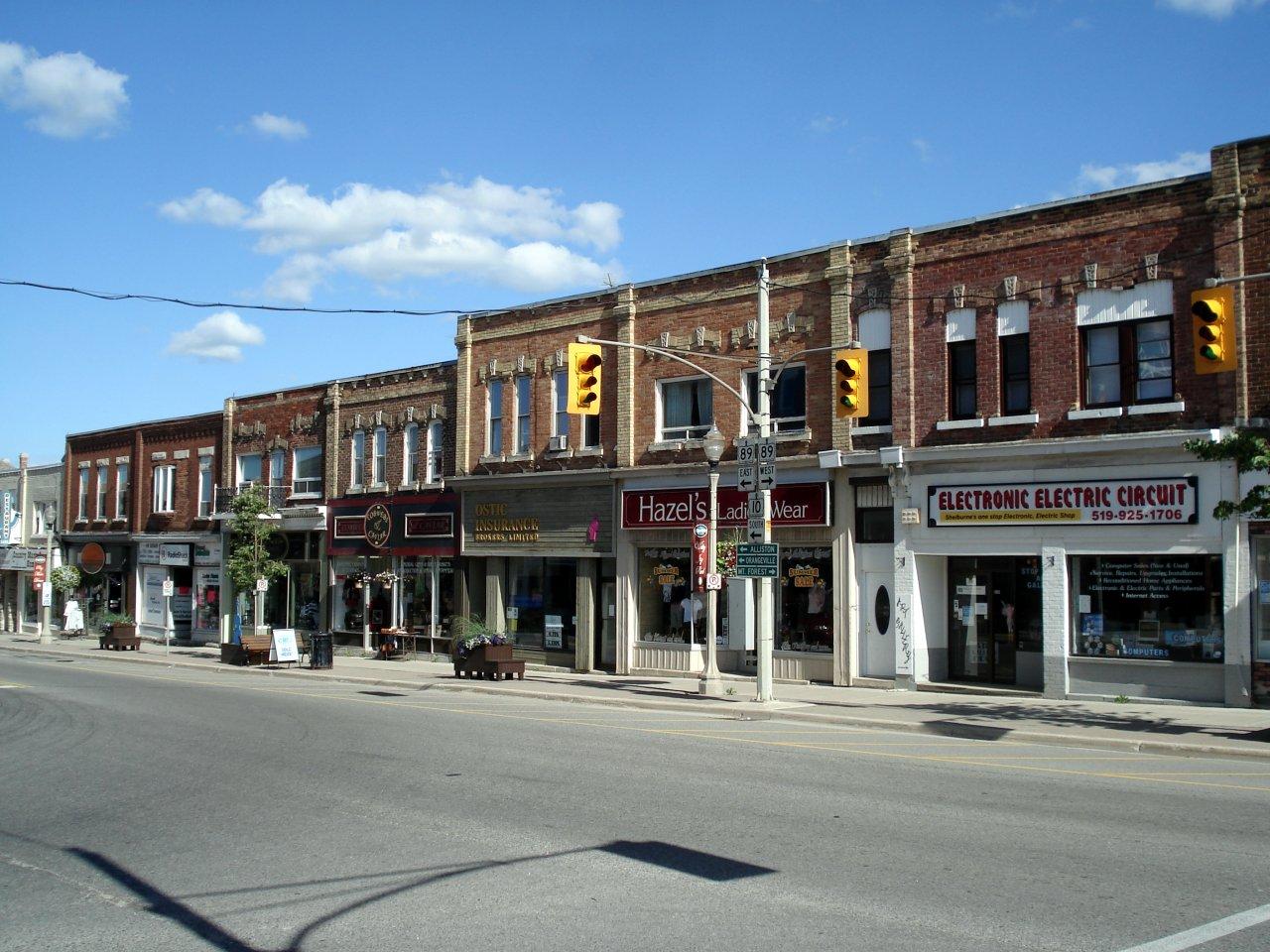
Vacancy differs block by block. Along Broadway and First Street in Orangeville, well‑located street retail can sit below 5 percent vacancy, with negotiated downtime between tenancies more a function of fit‑up than lack of interest. In secondary nodes off Highway 10, vacancy can run higher, especially in older strip centres with deep bays and shallow parking. Industrial vacancy has been tight by regional standards, with space absorption driven by owner‑operators and service firms. Those on‑the‑ground patterns shape assumptions for stabilized vacancy, lease‑up, and re‑tenanting costs.
What lenders, investors, and courts really need from the report
Different readers want different things from an appraisal, but they all weigh credibility. Local context is the spine. Lenders financing a refinance in Orangeville expect the report to address not only cap rate benchmarks, but also tenant covenant quality and utility of the building for the local tenant pool. Investors deciding whether to convert a single‑tenant building to multi‑tenant need a practical view of demising costs and achievable net rents for smaller bays, not an abstract market average. Counsel in expropriation or matrimonial matters https://dallasinbx713.capitaljays.com/posts/fast-fair-and-defensible-commercial-property-appraisals-in-dufferin-county look for defensible opinions rooted in verifiable sales and rents in Dufferin and border markets like Caledon and New Tecumseth.
That is why a strong commercial appraisal services assignment in Dufferin County usually marries four threads: clean sales and lease data, a realistic read of site constraints like Conservation Authority limits, knowledge of the local permitting and development charge regime, and tested cost inputs if a cost approach is necessary.
Approaches to value that make sense here
Direct comparison. Income. Cost. The tools are standard, but the way they are weighted depends on property type and data depth.
Direct comparison works well for small industrial and basic retail when there are enough trades within 12 to 24 months. In Dufferin, that sometimes means widening the net to include nearby transactions in Caledon, Alliston, or Erin, then carefully adjusting for location, traffic, building vintage, clear height, and site functionality. Comparable selection is where local familiarity shows. A plaza at Highway 10 and County Road 109 with national covenants cannot be a clean proxy for a mixed local‑tenant strip near a residential pocket. Adjustments for tenant mix and average remaining term often do more heavy lifting than adjustments for year built.
The income approach tends to anchor value for leased assets. For a typical 10,000 to 30,000 square foot industrial property in Orangeville, recent net rents have often fallen in the range of roughly 11 to 15 dollars per square foot, depending on clear height, loading, and condition. Basic office finish can push effective rates higher, but it can also narrow the tenant pool. Retail net rents in prime Orangeville frontage have achieved the high teens to mid‑20s per square foot for stronger covenants, with secondary locations and purely local tenants pricing lower. Vacancy and credit loss allowances tend to live between 3 and 7 percent, again a function of where the building sits and who occupies it. Capitalization rates for small to mid‑market assets frequently land in the mid‑6 to mid‑7 percent range, with single‑tenant risk, short remaining terms, or specialized improvements pushing the rate up. Stabilized expenses, structural reserves, and re‑tenanting allowances matter as much as the rate itself, and should be evidenced with normalized operating statements and regional benchmarks.
The cost approach is rarely the sole arbiter for income‑producing assets, but it becomes important for special‑purpose properties, for newer builds where physical depreciation is limited, or in litigation where floor value arguments matter. Construction costs rose sharply between 2020 and 2023. In practice, a county‑level build with modest architectural complexity can price well above what owners recall from five years ago. An appraisal that uses current unit costs and appropriate soft cost and entrepreneurial profit allowances will avoid the trap of underestimating replacement cost new.
Land valuation sits in a category of its own. Serviced commercial or industrial land in Orangeville and Shelburne trades on scarce supply. The right appraisal will often rely on front foot or per acre indicators cross‑checked with a residual land value analysis if the proposed project and pro forma are credible. Unserviced rural commercial land invites careful adjustments for access, environmental constraints, and time to approvals. The needle moves when the parcel sits under the Niagara Escarpment Commission or within NVCA or CVC regulated zones, where development windows and buildable area can shrink materially.
Reading the dirt at the edge of town
Raw land around Shelburne and parts of Amaranth has attracted attention from contractors and storage operators looking for outside yard and flexible buildings. These uses can generate strong gross rents per acre, but they come with zoning and site plan implications, stormwater management costs, and, in winter, significant snow clearing budgets. Appraisals that assume too easy a path from offer to occupancy often overstate residual land values. Experienced commercial property appraisers in Dufferin County will interview planners, review conservation mapping, and apply realistic time and cost allowances before concluding land value.
For designated extraction lands, the playbook changes. Quarries and pits hinge on reserve volume, quality, licensing stage, and proximity to markets. Valuation may pivot to a discounted cash flow of the resource, balancing price per tonne assumptions with operating costs, rehabilitation obligations, and discount rates that reflect both business and real property risk. These files move beyond typical brokerage comparables and require operator interviews, engineering data, and a careful line between business enterprise value and real estate value.
Special assets, local realities
Gas stations and automotive uses are common along the county’s arterial roads. These sites carry environmental questions and trade more on throughput, canopy condition, and shop revenue than on a neat cap rate. For appraisal, that means allocating value between land, improvements, and sometimes equipment or intangible components. Lenders will expect a clear statement of what is being valued and what is excluded.
Hospitality assets in the county often operate as hybrids. A rural inn may run weekday rooms, host weddings on summer weekends, and lease a separate commercial kitchen. Value is wrapped up in operations. The appraisal has to sort real property income from business income, sometimes applying a modified income approach that isolates a supported realty income stream. Courts and lenders will push back on analyses that blur those lines.
Self‑storage is a growth story. Edge‑of‑town facilities with clean security, climate‑control options, and RV parking draw steady demand. Income analyses need unit mix granularity, realistic physical and economic vacancy, and lease‑up curves if the facility is newer. Cap rates often reflect the operator’s systems and brand as much as location, so comparable selection needs to extend beyond county borders to similar facilities in nearby regions, then adjust for scale and finish.
Seniors’ residences and medical buildings require a sharper pencil. A small medical strip with two or three physicians and allied health can command stronger net rents and longer terms, but only if parking, accessibility, and HVAC zoning suit clinical use. Seniors’ assets in the county are management‑intensive. Any income approach must strip non‑realty components and be transparent about which revenue streams are capitalized.
Risk factors that show up in Dufferin files
Snow and winter maintenance are not footnotes. A plaza with a large lot and poor drainage can carry higher winter costs than a naive pro forma suggests, especially in freeze‑thaw cycles. That affects net recoveries and, in turn, effective rents.
Roofing and building envelope deserve extra attention. Many small industrial buildings constructed in the 1990s and early 2000s now sit at the cusp of capital expenditure cycles. A TPO or modified bitumen roof near end of life is not just a cost line, it is a downtime and tenant negotiation point that belongs in cash flow and cap rate interpretation.
Source water protection areas and floodplain overlays can limit expansion or HVAC placement. The Conservation Authorities are not an afterthought. Proposals that look simple on paper can drag if an appraiser or developer ignores regulated areas early on.
Truck access and turning radii separate functional industrial sites from hard‑to‑lease ones. An 18‑wheel delivery path, or lack of one, can be the difference between 15 and 12 dollars per square foot net. Many small sites in the county handle cube vans well but cannot manage full tractor trailers. That should inform both rent and downtime assumptions.
Data, cap rates, and how to read thin markets
Compared to large metros, Dufferin County has fewer annual trades per asset class. That does not mean the market is unknowable. It means more weight lands on corroborating evidence. When I reconcile a cap rate, I look at:
- bank guidance for similar risk credits and amortization terms,
- recent trades in nearby municipalities with adjustments for covenant and term,
- debt coverage requirements seen in current underwriting, and
- the property’s re‑tenanting story if the current tenant left tomorrow.
In the 2022 to 2024 interest rate environment, cap rates widened from the lows of the late 2010s. For stabilized small retail with reliable tenants on 3 to 5 year remaining terms, I have supported rates in the range of 6.5 to 7.5 percent with clear rationale. For single‑tenant industrial with specialized improvements and short terms, buyers often demand 7.5 to 8.5 percent or more. The right rate for a subject is not a magic number. It is a conclusion that ties to tenant strength, lease length, competitive product, and realistic capital needs.
Rent comparables are similar. In Orangeville, many small‑bay industrial units of 2,000 to 5,000 square feet have asked and achieved net rents in the low teens in recent periods, with new or renovated space at the upper end. Retail along Broadway with high pedestrian traffic and good parking has achieved higher net rents than secondary side streets. Shelburne’s newer nodes can command strong rents, but tenants are more rate sensitive if the brand is local and visibility is modest. When data is thin, it helps to triangulate using asking rents adjusted for typical negotiation spreads, tenant improvement allowances, and free rent periods.
Brief case snapshots from the county
A mid‑90s industrial building on Centennial Road, about 22,000 square feet with four drive‑in doors, traded at a price that puzzled a few observers. The cap rate implied by in‑place rent looked high. The catch was a pending renewal negotiation with a strong tenant who had outgrown the space but wanted to stay. The buyer’s model assumed a stepped net rent moving from 12 to 14 dollars over two years, modest tenant incentives, and a five‑year total term. On those cash flows, the effective cap rate fell into a normal range. The appraisal treated the renewal probability explicitly, not with wishful thinking but with a signed LOI and tenant interview, and weighted the income approach accordingly.
A small mixed‑use building near Broadway with two streetfront retail units and four apartments above raised another issue. The residential units had below‑market rents, legacy tenancies with limited turnover, and needed cosmetic work. The retail tenants were stable but purely local. The client hoped the building would value on retail strength alone. In analysis, the direct comparison approach for mixed‑use solds and the income approach both pointed to a sensible adjustment for near‑term capital and a conservative mark‑to‑market timeline for the apartments. The final value was healthy but not heroic, and the lender appreciated that the upside was recognized yet not capitalized as if it were already achieved.
On the rural edge, a contractor’s yard with a 6,000 square foot shop and three acres of outdoor storage faced zoning conformity questions. The client wanted an as‑is market value under current non‑conforming use. The report documented the use history, confirmed tolerance with the municipality, and applied a risk‑adjusted cap rate on the yard rent portion while applying a standard industrial rate to the building. Splitting the income streams better reflected how buyers actually price the asset.
Working with a commercial appraiser in Dufferin County
If you want the report to serve you with lenders, partners, or courts, assemble a concise package at the outset:
- current rent roll with lease abstracts, including options and rent steps,
- trailing 24 months of operating statements with notes on unusual items,
- a summary of capital projects completed or planned with costs,
- site plan, surveys, and any environmental or building reports, and
- context on tenant profiles, renewal status, and known vacancies.
With this in hand, a qualified commercial appraiser in Dufferin County can move quickly to confirm assumptions, select comparables, and flag any gaps that could slow financing.
Report types that fit common needs
The county sees a mix of uses for commercial appraisal services. The right report format depends on the decision at hand:
- Financing and refinancing for owner‑occupied or investment properties,
- Estate planning, matrimonial, or shareholder disputes requiring court‑ready opinions,
- Acquisition due diligence where a rapid, well‑supported range is more useful than a single point,
- Expropriation or partial takings, including injurious affection analyses, and
- Property tax assessment appeals tied to real market value and income support.
Institutions typically require full narrative reports compliant with CUSPAP under the Appraisal Institute of Canada framework. Some private lenders will accept a more concise format if risk is low, but even those benefit from local market depth.
Local regulation, planning, and costs that move value
Dufferin’s lower‑tier municipalities apply zoning that has not fully caught up to every modern use. That does not mean change is impossible, but it does mean timelines and soft costs matter. Orangeville’s planning department is generally responsive, yet site plan amendments and variances can take a season, not a week. Development charges have escalated in recent years and can materially affect the residual land value for a small project. A credible appraisal that supports a pro forma will use current development charge schedules, actual servicing quotes where available, and builder’s risk premiums that reflect current insurance conditions.
Conservation Authority jurisdiction is not limited to riverbanks. NVCA and CVC mapping can clip corners of commercially attractive sites. If your loading area or parking expansion sits in a regulated envelope, you are looking at design work, potential setbacks, and perhaps compensatory measures. An appraiser who has seen a few of these files will not dismiss that with a footnote. It will be priced and timed in the analysis.
Environmental expectations have tightened. Lenders in the region routinely ask for current Phase I ESA for assets with automotive history, dry cleaning, or any solvent use. If you have an old UST decommissioning report, include it. If you do not, be prepared for conditions. For valuation, unresolved environmental questions can depress price or force buyer conditions that lengthen closing times. Good appraisals do not speculate on contamination, but they do recognize market behavior when risk is present.
How tailored solutions look in practice
A retailer with three locations in the county wanted to buy a multi‑tenant plaza with one vacant endcap. The bank needed a stabilized income value, not a pie‑in‑the‑sky projection. The analysis ran two cases. First, a conservative lease‑up at market rent over a 6‑month downtime with standard inducements. Second, an owner‑occupied scenario with slightly higher buildout costs but less downtime. The stabilized values were within a tight band, but the lender preferred the case with an external tenant, so the final report highlighted the third‑party scenario and supported it with three signed letters of interest from credible tenants. This is what tailoring looks like - not optimism, but a credible path tied to local demand.
In Shelburne, a developer considered converting a warehouse to strata industrial condos. The appraisal did not stop at a per square foot sales rate. It compared strata premiums in nearby municipalities, then adjusted for perception differences in Shelburne, and ran a net sell‑out schedule with absorption and marketing costs. The residual land value under that scheme was lower than hoped, but the report also modeled a hold and lease strategy that, under prevailing rent and cap rate conditions, generated a similar return without pre‑sales risk. That gave the client options in a county where demand for small owner‑user bays is strong, yet strata acceptance still depends on pricing and lending comfort.
Where experience matters most
Edge cases test judgment. A national covenant can mask the fact that a location is marginal for that chain. A long lease can hide an uncapped operating cost clause that tenants will fight when the snow budget spikes. A brand new building can suffer from a shallow truck court that limits tenant interest. Experienced commercial property appraisers in Dufferin County read leases for these tripwires, walk sites to confirm functionality, and talk to property managers about what really costs money in February.
That same judgment extends to reconciling approaches. If a direct comparison suggests a value above what the income approach supports for a fully leased asset, the question is simple - can a buyer today finance the purchase with typical leverage and still hit a market return after realistic expenses and capital? If the answer is no, the higher number is likely less persuasive. On the flip side, if a small‑bay industrial building has short‑term leases at below‑market rents, the income approach can understate value if it assumes no mark‑to‑market in the near term. The reconciliation should explain which risks the market will price and which it will discount.
Choosing the right partner for Dufferin assignments
There are many commercial property appraisers serving Dufferin County. The differentiator is not a brand name. It is how they work. Look for an appraiser who can explain why a cap rate is what it is without hiding behind a national data set, who can point to three leases in the last year that anchor their rent opinion, and who will pick up the phone to a planner when a zoning footnote might derail the case. For owners and lenders alike, that kind of diligence keeps deals on track.
If your mandate is financing, insist on a report that lines up with lender checklists and CUSPAP requirements. If it is an acquisition or internal decision, ask for scenario analysis that reflects Dufferin realities. If you are in litigation, you want an expert who has testified and who writes with clarity and restraint. Most of all, work with a commercial appraiser who recognizes that a commercial real estate appraisal in Dufferin County is not a template. It is a tailored opinion that earns trust because it shows its work.
The county will keep changing. More residents, a tighter grid of services, and gradual industrial infill will reshape the map. Good appraisal work keeps pace by grounding every conclusion in the specifics of place. That is the job, and when it is done well, it serves the market as much as the client.