Common Pitfalls to Avoid with Commercial Appraisal Companies in Haldimand County
Commercial valuation looks straightforward until a financing deadline looms, a tax appeal is on the line, or an offer depends on a credible opinion of value. In Haldimand County, the margin for error narrows even more. The market is thinner than Hamilton or Niagara, product types are mixed, and regulatory overlays can change highest and best use in a hurry. If you select the wrong partner or set the wrong scope, you can end up with a report that reads well but does not hold up with lenders, tribunals, or buyers.
What follows draws on practical lessons from assignments across Caledonia, Dunnville, Hagersville, Cayuga, and the industrial corridor along the lake. The examples are specific to the County’s quirks, but the principles translate to any secondary market where sales data is scarce and local context matters.
Why the local context raises the stakes
A commercial building appraisal in Haldimand County rarely benefits from a perfect line of comparable sales. Sales are infrequent, multi-tenant leases are often private, and one-off properties, from older mills to rural contractor yards, dominate the inventory. The County also spans several conservation authorities and flood zones, and the history of aggregate extraction, greenhouse expansion, and former heavy industry introduces environmental and permitting wrinkles that do not show up in a skim of MLS records.
These realities mean methods that work in denser markets can mislead here. An appraiser who does not adjust thoughtfully for location, exposure time, and functional utility will miss the mark. The outcome is not just an academic difference. The wrong conclusion can trigger a lower loan amount, an unsuccessful tax appeal, or an investor walking away.
Pitfall 1: Hiring a firm that looks credible on paper but lacks Haldimand depth
Some commercial appraisal companies serve all of Southern Ontario. Many do good work. The risk appears when a team unfamiliar with Haldimand County applies Hamilton or St. Catharines cap rates without accounting for liquidity gaps and tenant profiles in places like Cayuga or Hagersville. Or they weigh a highway exposure the same as a secondary road near a hamlet where traffic counts are half as high.
Ask about their last five files in the County. If they cannot name recent assignments, verify where their comparable sales originated and how they bridged the distance between markets. For owner occupied buildings, the difference between using a Hamilton-based model versus Haldimand-specific adjustments can tilt value by several percentage points, enough to alter financing covenants.
Pitfall 2: Confusing assessment with market value
A commercial property assessment in Haldimand County reflects MPAC’s mass appraisal for taxation. It is not a stand in for market value under the Canadian Uniform Standards of Professional Appraisal Practice. I have seen owners anchor to an assessed value because it feels concrete, then get blindsided when a lender’s appraisal, built from actual sales and income evidence, lands 10 to 20 percent away.
Use assessments as a data point, not a benchmark. When appealing taxes, you may need a retrospective appraisal on the valuation date used by MPAC. That scope is different from financing or acquisition work. Make sure your appraiser defines the effective date and intended use properly, and that they can explain how MPAC’s approach diverges from the market evidence.
Pitfall 3: Ordering the wrong report type or scope
Not all reports are equal. A short letter for internal decision making can be fine for a low risk refinance with a lender that knows the property. The same letter will fail if you need CMHC-insured underwriting on a mixed use building with residential units over retail in Caledonia.
Common missteps include:
- Asking for a drive by or desktop when interior condition drives a large share of value, as with older industrial buildings where functional obsolescence hides behind fresh paint.
- Requesting a restricted use report, then expecting to share it with partners or municipalities. CUSPAP limits reliance to named intended users. If you need broader reliance, say so before engagement.
- Using the wrong effective date. For litigation, the valuation date can be historical. For financing, it is usually current. Mixing them up creates headaches that are avoidable with one clear email at the start.
Pitfall 4: Treating industrial, agricultural, and land the same
Haldimand’s inventory is eclectic. Caledonia sees pressure from Hamilton spillover. Dunnville features older downtown stock and river adjacency. Along the lakeshore, legacy heavy industrial lands still shape expectations. Out in the countryside, small industrial shops and contractor yards share roads with farms and greenhouses. A one size income approach or a cookie cutter land residual will not do.
Commercial land appraisers in Haldimand County deal with frontages that may look standard yet sit within a flood fringe or under site alteration controls. Highest and best use can be constrained by haul routes, source water protection, or odour and noise setbacks from agricultural operations. A commercial building appraisal in Haldimand County often needs a second scenario that contemplates an as if rezoned outcome with discounted timelines and costs. If your appraiser glosses over policy or treats rural land like a subdivision block, you are buying false precision.
Pitfall 5: Overreliance on distant comparables without friction adjustments
When sales are scarce locally, you must reach outside the County. There is nothing wrong with that. The risk lies in pasting in Hamilton, Brantford, or Niagara comps without measuring the friction buyers feel when the pool of tenants and purchasers thins out.
In practice, the discount for a small multi tenant industrial building in Haldimand versus Hamilton might not show up in base rent alone. It often appears in longer exposure periods, higher inducements to fill vacant units, and slightly higher non recoverable expenses. If an appraiser transplants a cap rate or rent from a denser market and only makes a token location adjustment, the conclusion will read professional and still be wrong.
Pitfall 6: Missing conservation, floodplain, and servicing constraints
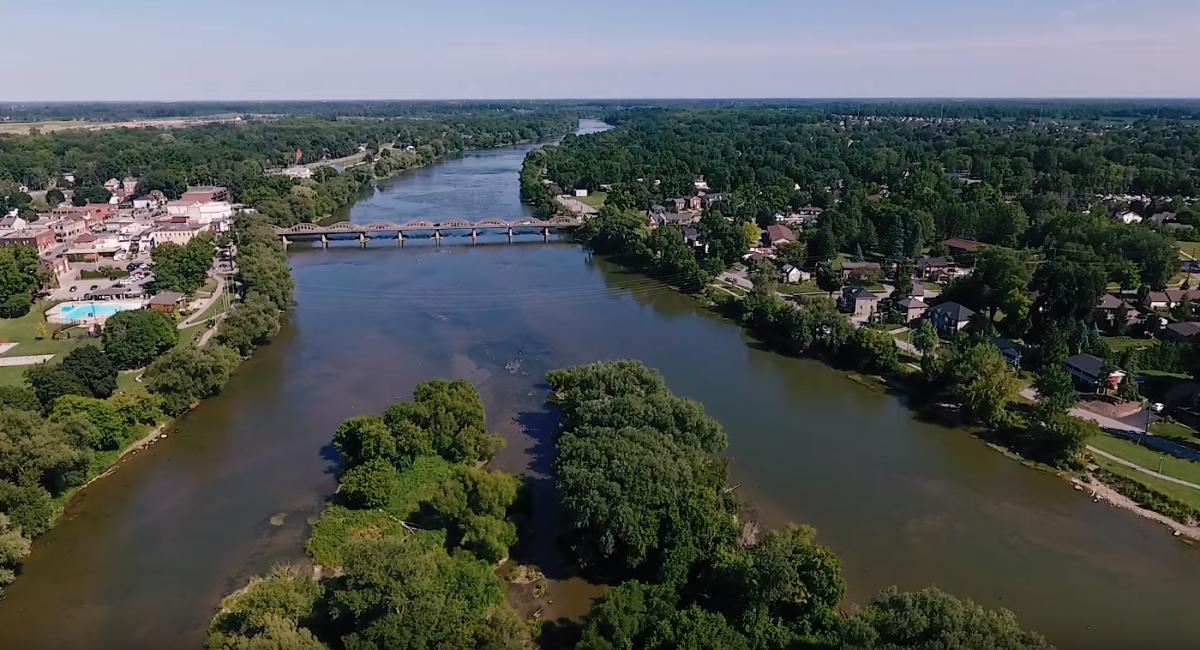
Several stretches of Haldimand fall under conservation authority regulation. Parts of Dunnville and the Grand River corridor impose floodplain rules that narrow development forms. Rural parcels may require private servicing where buyers would prefer municipal connections. These items rarely matter in a dense urban context, but here they can erase what looked like a straightforward highest and best use.
Before valuing development sites, confirm which authority has jurisdiction and what the latest mapping shows on flood fringe and erosion hazards. Factor in technical reports and permitting timelines. On waterfront or river adjacent lands, appraisers should stress test absorption and discount rates to reflect sequencing and upfront infrastructure. If your report treats all acres as equal, push back.
Pitfall 7: Using the wrong income assumptions
Income work is more art than science in thin markets. That said, you can still anchor assumptions in defendable evidence. Problems arise when commercial building appraisers in Haldimand County import Class B office leases from Hamilton for a small second floor office over a main street retail in Hagersville, or when they assume market rent equals contract rent for legacy owner occupied industrial sites.
Ask how they built the rent roll. Look for lease abstracts, broker opinions, and published listings for triangulation. Vacancy and collection loss should reflect actual downtime between tenants, not a generic 4 or 5 percent plug. Non recoverable expenses in older stock can be materially higher because of fragmented mechanicals or narrow floorplates. Cap rates should consider buyer pools. Owner users will sometimes pay above an investor’s number, but that premium is not universal.
Pitfall 8: Ignoring environmental and legacy industrial issues
The former Nanticoke coal plant area, Lake Erie steel operations in the region, and decades of aggregate and agricultural use make environmental diligence prudent. Even when a Phase I ESA shows no material concerns, stigma can linger for certain addresses or corridors. An appraiser who reduces environmental risk to a sentence risks understating market reaction.
In valuation, stigma can influence cap rates, required yields for land takedown schedules, or even a discount from comparable sales with clean histories. Where contamination is known or suspected, an extraordinary assumption or hypothetical condition must be explicit, and the cost to cure should come from credible estimates, not a rough guess.
Pitfall 9: Rushing timelines and underpricing fees
Fast and cheap sounds good until the lender’s reviewer starts flagging gaps. In Haldimand County, where data is less abundant, shaving a week from the timeline often means fewer phone calls to brokers, less verification of off market trades, and a thinner discussion of zoning and servicing. The report still gets delivered, but you pay later when a reviewer demands revisions or a decision maker loses confidence in the conclusion.
If your schedule is tight, narrow the scope, or stage deliverables. For example, request a preliminary value range after site inspection to make a conditional decision, then allow time for the full narrative. Good commercial appraisal companies in Haldimand County will be candid about what can and cannot be done within your timeline and budget.
Pitfall 10: Vague intended use and user, creating reliance problems
This one causes preventable friction. A report prepared for ABC Bank for first mortgage financing may not be relied on by a vendor, buyer’s partner, or the municipality reviewing a land disposal. CUSPAP is clear on intended use and user. If you expect others to rely on the report, obtain their names in the engagement letter and confirm whether the firm will issue reliance letters. Skipping this step turns into last minute scrambling that can derail closings.
Pitfall 11: Treating agricultural and on farm diversified uses as standard commercial
Greenhouses, farm retail, on farm event spaces, and small processing facilities show up across Haldimand. They often straddle agricultural and commercial valuation logic. Lenders may ask for a commercial appraisal, but income and highest and best use sit inside the Agricultural zoning framework.
If your appraiser values the improvements without reconciling how zoning caps area or seasonal use, you may end up with a value that is not financeable or defensible. Commercial land appraisers in Haldimand County who know the agricultural overlay will segment value correctly between land, specialized improvements, and business intangibles.
Pitfall 12: Assuming one approach carries the day
Appraisals typically consider the cost, direct comparison, and income approaches. In thin markets, reconciliation matters more than usual. I have seen industrial warehouses where the income method points one way, the direct comparison another, and the cost approach provides the sanity check. The right answer sits in a reasoned reconciliation, not a mechanical average.
For newer single tenant industrial with long leases, the income approach often dominates. For older retail with high vacancy, the direct comparison may deserve more weight, especially if buyer motivation skews toward owner users. For specialized facilities, the cost approach might set a floor. If your report assigns equal weight without explanation, ask for a more nuanced rationale.
Pitfall 13: Forgetting municipal fees, parkland, and development charges in land valuation
Even when a site is designated for growth, the math between gross and net developable land can be unforgiving. Dedicate time to estimate how much land is net of constraints, then apply realistic development charges, parkland dedications, and frontage improvements. In Haldimand, where small towns edge onto rural land, the delta between a simple per acre rate and a net buildable conclusion can decide a project’s fate. A good appraiser will quantify the friction, not paper over it.
Pitfall 14: Poor communication around updates and reassignments
Deals evolve. Closing dates shift. Lenders change. Updates are common, but not all are simple. A change in effective date without a site visit might miss alterations to tenancy or condition. A reassignment to a new lender may require consent and fresh client identification. Clarify upfront how updates will be priced and under what conditions a new assignment is required. A 48 hour https://andrendqj770.trexgame.net/industrial-park-valuations-commercial-property-assessment-best-practices-in-haldimand-county promise is reasonable for a minor certificate of update. It is wishful thinking for a full reassignment with new intended use.
A quick test for fit before you engage
Use this short checklist to avoid most of the above pitfalls:
- Ask for two recent Haldimand County assignments similar to yours, with sample pages showing comps.
- Confirm the intended use, intended users, and effective date in writing before fieldwork.
- Request a proposed highest and best use outline, including zoning and servicing notes.
- Clarify whether reliance letters are available and on what terms.
- Set a realistic timeline with interim milestones, such as a value range call after inspection.
How the County’s submarkets influence value
Caledonia has momentum from Hamilton growth, but not every property benefits equally. Newer retail on Argyle Street with national covenants prices differently than a side street office with shallow parking. Dunnville’s river proximity elevates certain sites while flood constraints mute others. Hagersville and Cayuga provide steady industrial and service commercial demand, much of it owner occupied. Along the lake, legacy industrial and energy uses shape expectations, and buyers often underwrite more carefully for environmental and servicing.
Cap rates and yields adjust with this context. As a general, defensible observation, small multi tenant industrial in Haldimand often trades at modestly higher yields than comparable product in Hamilton, reflecting thinner buyer pools and perceived liquidity. Retail with strong covenants can compress spreads, but main street assets without national tenants typically show wider ranges. When an appraiser glosses over these nuances, reconciliation suffers.
What good process looks like with commercial appraisal companies in Haldimand County
A professional, efficient engagement typically follows a rhythm that balances speed with diligence:
- Kickoff call to define problem: property type, intended use and users, effective date, reliance needs, and timing.
- Document and data intake: rent roll, leases, site plan, prior reports, environmental work, and any municipal correspondence.
- Site inspection and market sounding: on site measurements and photos, plus broker calls and verification of recent trades or listings.
- Draft findings and reconciliation: a short call to test value ranges and assumptions before finalizing the narrative.
Firms that value transparency will also flag early if your target value looks out of line with evidence. You are better served by the hard conversation on day three than a surprise on day ten.
The most common review comments from lenders and how to avoid them
Underwriters and reviewers in Ontario tend to focus on three themes when looking at reports from commercial building appraisers in Haldimand County.
First, support for rent and vacancy. If the report states a market rent without at least two or three sources, it will draw a comment. Your appraiser should cite leases, listings, and broker input. Second, cap rate logic. Reviewers want to see why the selected rate fits the property’s risk, not just a band of investment argument. Third, highest and best use and zoning. A one paragraph summary is often insufficient. Reviewers appreciate clear references to official plan designations, zoning permissions, and any site specific constraints such as floodplain or conservation regulation. Address these up front and reviews move faster.
What owners and brokers can share to improve outcomes
The best appraisals in Haldimand tend to happen when owners, brokers, and appraisers collaborate. Owners can supply energy bills, maintenance logs, and a candid description of any building quirks. Brokers can share unsigned offers, soft lease terms, and feedback from showings. In a market with fewer datapoints, even small pieces of evidence help. For example, a broker’s note that two recent industrial buyers insisted on longer conditions due to environmental diligence can justify a higher yield assumption for a similar property.
Specialty assets that often trip up non local appraisers
Three categories deserve special attention.
Self storage: Smaller facilities near towns with strong demand can produce robust returns, but management intensity and seasonality vary. Benchmarking against big city facilities leads to errors in lease up timelines and operating expense ratios.
Mobile home and seasonal parks: Land lease communities require sensitivity to rent control, licensing, and capital needs. Sales tend to be private. A direct comparison with apartment buildings misleads.
Aggregate related and contractor yards: Value depends heavily on permitted uses, access to haul routes, and surface versus structural improvements. A simple per acre rate without adjustments for utility and permissions can overstate value.
Look for commercial land appraisers in Haldimand County who can articulate these wrinkles in the first conversation.
Fees, timing, and the cost of a do over
For a straightforward commercial building appraisal in Haldimand County, a full narrative report with inspection, income and direct comparison approaches, and lender reliance typically takes one and a half to three weeks from engagement, depending on access and data availability. Fees vary with complexity, but squeezing either variable below a reasonable threshold often backfires. Paying a premium to avoid a week of delay beats paying twice after a reviewer rejects a thin report.
When a second opinion is worth it
If your number must stand up to a tribunal, expropriation, or a dispute among partners, consider a review by a senior AACI with litigation experience. A structured appraisal review can catch soft spots in methodology, extraordinary assumptions that need tightening, and missing evidence. In my experience, tightening the logic before a hearing or a closing is far cheaper than repairing credibility after the fact.
Final thoughts from the field
Commercial appraisal in Haldimand County rewards specificity. The right firm will dig into zoning, servicing, conservation, and the small signals that define a thin market. The wrong fit will look professional and still miss how buyers and tenants actually behave in Caledonia or Dunnville. Treat assessments as one input, sharpen your scope at the start, and insist on locally grounded evidence. There are many capable commercial appraisal companies in Haldimand County, and several regional firms with genuine local fluency. The difference shows up in better reconciliations, smoother lender reviews, and fewer surprises on closing day.
If you take nothing else away, remember that value here is a story stitched from imperfect datapoints. Choose partners who know how to tell that story clearly, and who are candid about the limits of the evidence.
By being deliberate about these choices, you avoid the most common traps and give your project the advantage it needs, whether you are dealing with a single tenant industrial condo in Hagersville, a mixed use main street building in Dunnville, or a development tract on the edge of Caledonia. With careful scoping and the right commercial building appraisers in Haldimand County, you can make confident decisions grounded in how the market truly works.