Comprehensive Commercial Real Estate Appraisal in Dufferin County
Commercial valuation in Dufferin County has its own texture. It is not Toronto, and it is not purely rural either. The county sits in a crossroads of agricultural strength, commuter growth, and small but energetic industrial corridors tied to logistics and trades. That mixed profile shapes every appraisal assignment, from a single-tenant warehouse near Orangeville to a multitenant plaza on Broadway, from a contractor’s yard outside Shelburne to a fuel station on Highway 10. Getting value right means reading the local market, property by property, and fitting the analysis to the way deals actually get done here.
Owners, lenders, lawyers, and municipalities rely on commercial real estate appraisal in Dufferin County for decisions with real money attached to them. A refinance depends on loan-to-value. A purchase hinges on cap rate support and rent assumptions. A tax appeal lives or dies on what the assessor missed about functional obsolescence. Environmental risk, aggregate rights, and winter maintenance costs carry more weight here than in dense urban cores. A good report absorbs those nuances, translates them into numbers, and stands up to scrutiny in the credit committee room and, when needed, at the Assessment Review Board.
Where the market is strong, and where it is thin
Orangeville anchors the county, and it behaves like a regional service hub. The downtown core still pulls steady foot traffic, which supports street-level retail at modest but resilient rents. Neighborhood plazas with a grocery anchor draw tenant demand from franchise food operators, personal services, and medical users. Strip retail without a draw performs unevenly, largely depending on access and parking, and some of it competes directly with service commercial on the arterial roads.
Industrial is the quiet engine. Light manufacturing, auto and equipment repair, millwork, and HVAC contractors occupy a lot of the space, often in flex buildings with modest clear heights. Newer product is limited, and replacement cost has run ahead of achievable rents, which props up values for existing stock. Owner-occupation is common, and that can complicate the sales comparison approach because many transfers are between related parties or involve business value. Real market cap rates for small industrial in Dufferin County have often printed in the mid 6s to low 7s during stable periods, then widened 100 to 200 basis points https://telegra.ph/Data-Driven-Commercial-Real-Estate-Appraisals-in-Dufferin-County-05-22 as rates rose, with outliers on either side when the tenant covenant is unusual or the building condition needs capex.
Shelburne has seen rapid residential growth, and the commercial lag is closing. Land prices stepped up when services extended, then cooled when construction costs and interest rates jumped. Lease-up times are longer than owners hope, but good concepts still find a foothold. Mono and Amaranth host a lot of rural commercial uses, from equipment yards to contractor depots and small-scale fabrication. Those properties blur lines between industrial, commercial, and agricultural, which matters for zoning, assessment, and financing.
You cannot appraise Dufferin like Mississauga. There is less sales velocity, more owner-users, and a wider spread in achieved rents. That pushes the appraiser to triangulate carefully: check more sources, verify terms, normalize for one-off concessions, and acknowledge when a data point is weak.
What an appraisal actually answers
A lender wants to know not just a point value, but whether the income and expense assumptions are credible and the collateral is marketable within a reasonable period. An estate needs fair market value as of a specific date, without pressure to transact. A developer needs as-is value for land today, and a prospective value on completion and stabilization. A municipality might want market rent support for a ground lease. Commercial appraisal services in Dufferin County cross all of those needs, but the core outputs stay consistent: a supported value opinion, a transparent path of logic, and enough detail to withstand challenge.
On income property, the analysis turns on four levers: rent, vacancy and credit loss, operating expenses, and capitalization or discount rates. On owner-occupied properties, the value rests more on market sales and replacement cost adjusted for depreciation. For special-purpose assets, such as fuel stations, quarries, or cold storage, method selection is critical. The market will forgive a thin sales dataset if the reasoning is crisp and each assumption is explained and defensible.
Local context that changes value
Zoning in Dufferin can be straightforward, but rural properties often carry site-specific permissions or historical nonconformities. A contractor’s yard might operate lawfully under an old bylaw, yet expansion could trigger new requirements. A property with aggregate potential or active extraction follows a different regulatory path, which adds or subtracts value depending on reserves, licencing, and haul routes. Some parcels sit near environmentally sensitive features or on watercourses, pushing building envelopes back and adding to site work costs.
Winter is not a footnote. Snow and freeze-thaw cycles matter to paving, grading, and roof performance. A 1990s pre-engineered industrial building with a 3-ply roof and poor insulation will carry a higher capex plan than a 2012 structure with a newer membrane and improved R-value. Tenants in service commercial often expect significant yard space for vehicles, and heavy traffic in unpaved areas can accelerate maintenance needs. Those practical realities feed into the expense line, the reserve allowance, and the cap rate spread.
The three approaches to value, and when they fit
Appraisers have three main tools: direct comparison, income, and cost. All three are valid, but they do not carry equal weight in every assignment. In a county with fewer pure investment trades and many owner-users, you often see a blended logic.
- Direct comparison works well for standard retail units, small industrial condos, simple land parcels, and some mixed-use properties where enough arms-length sales exist. Adjustments in Dufferin tend to be larger than in a city with deep data. A retail condo in downtown Orangeville might need significant adjustment for frontage, ceiling height, and parking compared to a sale on a quieter side street.
- The income approach is crucial for leased properties, from an anchored plaza to a multitenant industrial building. The trick is local rent support. Asking rents can be aspirational. Appraisers should rely on executed leases, renewals, and sublease deals that show what tenants actually accept. Cap rates swing with tenant quality, lease length, and future capital needs. A 6.75 percent cap for a new, clean industrial box with a five-year lease to a regional HVAC firm can become 8 percent for a 1978 building with three smaller tenants and short terms.
- The cost approach stabilizes value when sales are sporadic. For newer builds, replacement cost less depreciation can be a strong cross-check. For older assets, functional obsolescence can be material. A warehouse with 12-foot clear and few loading positions will not compete with modern standards, and the cost approach, without careful obsolescence analysis, can overstate value.
Highest and best use in a changing growth pattern
Growth is funneling along Highways 9 and 10, and services are extending with it. Highest and best use can shift quickly when municipal planning opens a corridor to more intense commercial or mixed-use development. A car lot that barely broke even as a going concern might be worth significantly more as future redevelopment land once traffic counts and zoning align. The timing matters. If servicing is five to eight years out, your discounting and holding costs will take a chunk out of the land residual.
In smaller communities, there is a temptation to assume retail will follow rooftops immediately. It does, but tenancy types evolve in steps. First come quick-service food and convenience, then fitness, medical, and personal services, then larger format draws. An appraiser who values a new plaza as if it were already stabilized with national covenants will overshoot. Lease-up curves and free rent periods should be modeled, not glossed over.
Data sources that actually help
MLS captures only a slice of commercial trades in Dufferin. Many deals happen off-market through brokers who specialize in industrial and development land. MPAC assessment data provides a baseline for land area and building size, but confirm on site. Mezzanine offices and additions are common and not always reflected in roll data. For income work, verified rent rolls and estoppels are worth their weight. For cost work, current bids from local contractors often reveal better pricing than national data services, especially for site work where topography, soils, and drainage drive costs.
Cap rate evidence can be thin in any given quarter. Widen the net to similar markets, then adjust. Guelph and Barrie can bracket some of the risk profile for certain assets, but Dufferin’s lower liquidity and smaller tenant pool often justify a premium in the cap rate. The direction of interest rates and lender appetite shows up quickly in cap rate spreads here because a few active buyers set the tone.
Industrial and service commercial, the county’s workhorses
Consider a 28,000 square foot light industrial building in Orangeville’s business park, 18-foot clear, two dock doors, one grade-level door, and 12 percent office. Well maintained, with LED retrofits and a 2016 roof. A regional cabinet manufacturer signs a seven-year triple net lease at 12.50 dollars per square foot, with 75 cents annual steps, and reimburses 3.50 dollars per square foot for CAM and taxes. Vacancy and credit loss at 3 percent is defensible in a stable submarket. A buyer looks for a 7.25 to 7.75 percent cap given the mid-tier covenant and modest building age. Expenses are straightforward, but you add a reserve for future capital, say 25 cents per square foot, for roof and parking in later years. The value math then rests on what you believe about renewal probability and rollover risk.
Now compare a contractor’s yard on a 3-acre parcel in Mono with a 7,000 square foot shop, basic finishes, and a large gravelled yard. The tenant is a private snow removal and landscaping firm with equipment on site. Rents for the shop might be 10 to 11.50 dollars per square foot, with yard at a per-acre rate, often inside the lease as a total rent figure rather than broken out. Lenders will probe environmental risk from fuel storage and on-site maintenance. A sales comparison method might need broader geographic support, then sanity-checked against income.
Retail, small office, and adaptive reuse
Broadway in Orangeville carries a special weight. Well-positioned storefronts with quality frontage and good ceiling height draw boutique retail and services. Rents vary widely, and tenant improvements can be substantial, which pushes landlords and tenants into longer terms to amortize spend. A deep, narrow unit with limited natural light carries more leasing risk, which translates to a cap rate premium or a lower price per square foot.
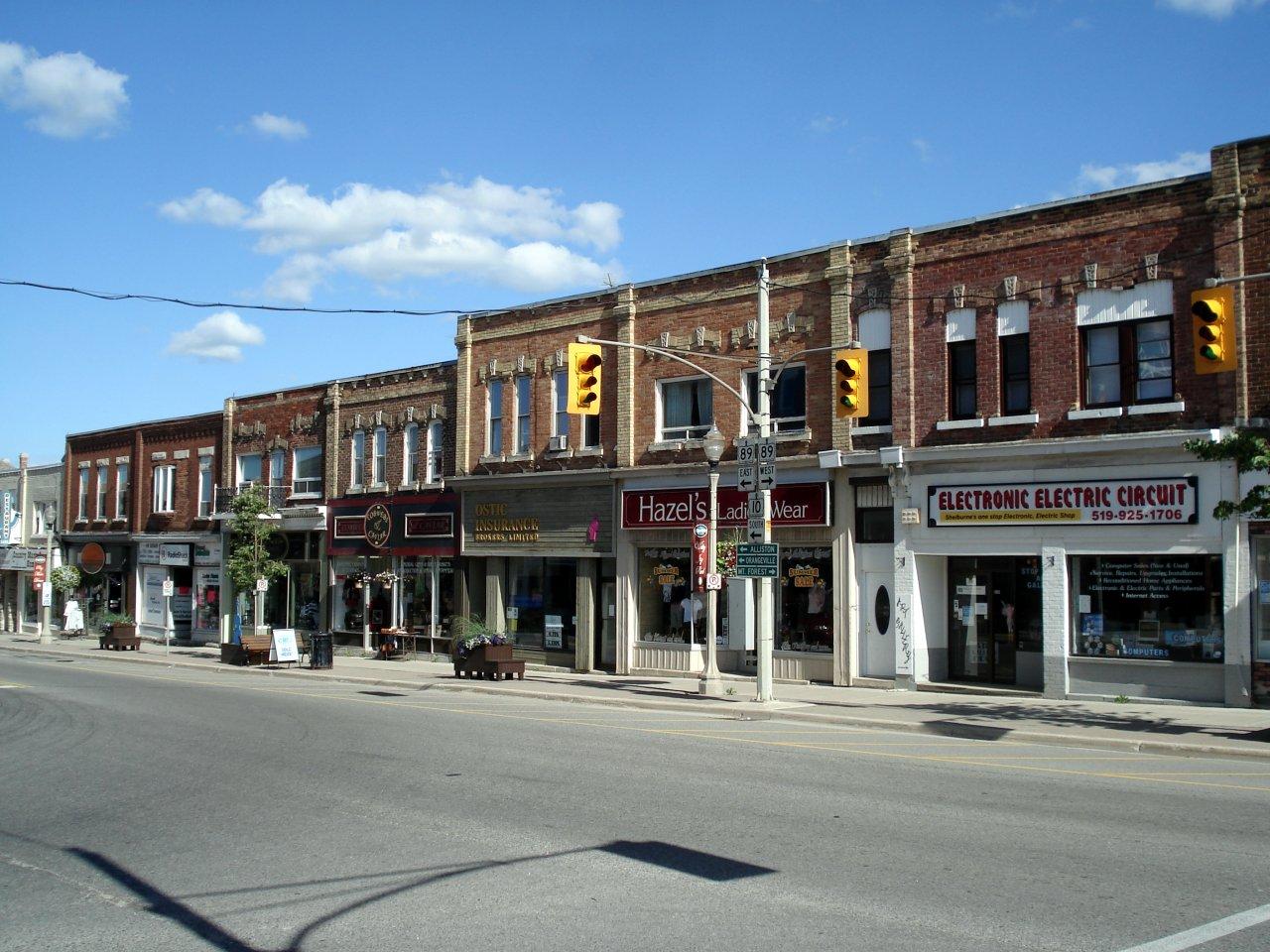
Neighborhood plazas tell a story in their tenant mix. A grocery or drugstore anchor stabilizes income because those tenants drag traffic to the smaller bays. Without an anchor, the value rests more on local relationships and convenience. CAM reconciliation, HVAC responsibilities, and parking ratios can tilt negotiations. Many leases here are true triple net, with tenants covering most operating costs, but confirm how the roof and structure are handled. Too many appraisals assume standard language that the actual lease contradicts.
Office is typically small format, medical, and professional. Larger blocks exist, but most of the absorption is 1,000 to 3,000 square feet. Demand favors well-located, well-parkinged space. With remote work patterns, tenants who commit do so for reasons that tie them to the community: clinical practices, legal services tied to the courthouse, or local accounting firms. Cap rates reflect that stickiness, but not enough to mimic urban core pricing.
Agricultural adjacency, aggregates, and special use
Dufferin County includes robust agricultural land, but the commercial edge cases are where appraisals get interesting. A farm with a produce market, bakery, and seasonal events may be valued as a going concern if non-realty components drive income, or split carefully between real property and business value. A quarry or pit introduces the value of reserves, licencing status, extraction rate, and reclamation costs. An appraiser inexperienced with aggregates can miss millions in either direction by mishandling reserve estimation or ignoring haul distance economics.
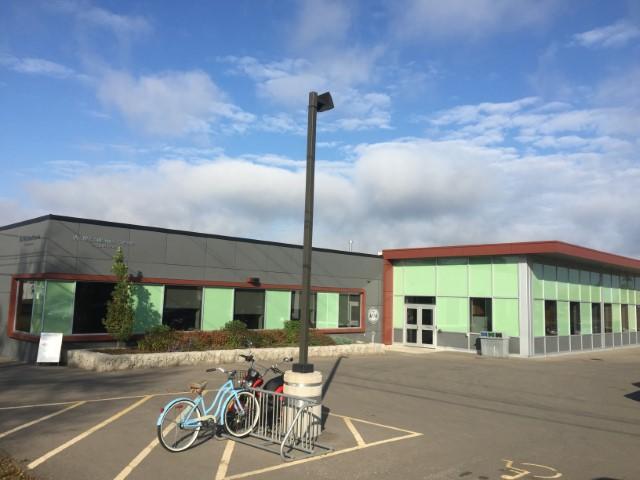
Fuel stations and cardlocks along high-traffic routes have land value, specialized improvements, and environmental overlays. Sales often include equipment and intangible value from supply agreements. The appraisal must allocate correctly and follow lender guidance on collateral.
Environmental and building condition are not side notes
Phase I environmental site assessments are routine, but their weight is heavier on properties with outdoor storage, fueling, or historic industrial use. If the report flags potential issues, the appraiser needs to calibrate how that risk affects market behavior. Some buyers will price in a contingency. Others will walk. On older buildings, mold, asbestos, and electrical capacity can influence rentability and tenant profile. A bank that reads about knob-and-tube wiring or a failing septic will respond with tighter advance rates or conditions, and that loops back to the valuation via marketability.
The appraisal process, timing, and what to expect
A typical commercial appraisal in Dufferin County runs two to three weeks from site visit to report delivery when data cooperates. Complex assets can push longer. The site inspection should be thorough: measure, photograph, and confirm building systems. The appraiser will request leases, rent rolls, operating statements, surveys, site plans, environmental and building reports, and any recent capital improvements. For land, planning correspondence, servicing maps, and geotechnical reports matter. For income assets, estoppel certificates or at least confirmation letters help close verification gaps.
A short checklist to prepare for an appraisal
- Current rent roll with lease start and expiry dates, options, and escalations
- Copies of all leases, amendments, and any side letters
- Most recent two years of operating statements with breakdowns
- Site plan, survey, and any building permits or drawings available
- Environmental and building condition reports, if any
When owners gather these early, it cuts days off the timeline and reduces the number of assumptions the appraiser needs to make.
Common pitfalls I see repeatedly
Overstating market rent from asking rates is the most common error. The second is underestimating real operating costs. Snow removal and parking lot maintenance are not minor in Dufferin. Roofs nearing end of life can flip a deal’s economics. Another frequent issue is ignoring nonconforming uses. A shop operating under historical permissions might be fine today, yet any expansion could require costly upgrades or even threaten viability. Lastly, conflating business value with real estate shows up often in auto service, restaurants, and farm market operations. Clean separation protects the credibility of the appraisal and the comfort of any lender reading it.
Lending expectations and reporting standards
Most lenders ordering commercial appraisal services in Dufferin County expect compliance with Canadian Uniform Standards of Professional Appraisal Practice, a signed certification, transparent assumptions and limiting conditions, and market-supported cap rates and rents. Banks will test sensitivity. If value collapses with a slight change in cap rate, the loan structure may need adjusting. Private lenders focus more on exit strategy and marketability period. For CMHC-insured rentals, extra reporting and rent limits can apply, although most Dufferin assignments fall outside that program unless multifamily is involved.
Fees, scope, and what “complex” means
For a standard single-tenant industrial building, a full narrative report fee is commonly in the low to mid four figures, scaling up with size and complexity. Add tenants, special use components, or development analysis, and fees rise. Retrospective dates of value for estate or litigation work, or court-ready testimony, command premiums because they require deeper research and more robust documentation. A good commercial appraiser in Dufferin County will make scope explicit: intended use, intended users, assumptions, approaches applied, and any extraordinary items like contamination or encroachments.
Selecting the right professional
Experience in the county counts. An appraiser who can name recent leases and sales without checking notes has spent time here and learned which brokers to call when a data point looks off. They know the difference between a strong tenant on paper and one that actually pays on time every month.
What to look for when hiring a commercial appraiser in Dufferin County
- Local track record with the asset type you own or plan to buy
- Willingness to verify data with sources rather than relying on listings
- Clear, readable reports that explain assumptions and adjustments
- Comfort discussing capex, environmental flags, and building systems
- Capacity to meet your timeline without cutting corners
You should also ask how the appraiser handles scarce data. The answer will tell you how they think under pressure and whether they understand how to triangulate across imperfect comps.
Two brief case notes from the field
A multitenant flex industrial building near the Orangeville border had rolled over three small tenants in eighteen months. Asking rent was 14 dollars per square foot net, but the renewals came in at 12.75 to 13.25 dollars after landlords realized tenants would not stretch. Operating expenses had ballooned due to winter storms and unplanned asphalt patching. The owner’s expectation of a 7 percent cap no longer held. In the appraisal, we set contract rents at actual, trued up expenses to a normalized level slightly under the prior year, inserted a modest reserve, and supported a 7.9 percent cap with five local and regional indicators. The value landed about 10 percent below the owner’s hope, but the lender agreed with the support and funded at a comfortable advance.
In Shelburne, a small plaza with a local grocer, a pharmacy, and three inline tenants needed a refinance at stabilization. The grocer’s lease had percentage rent above a break point. Prior appraisals ignored that upside. We modeled base rent only for the capitalization, then valued the percentage rent as a separate income stream with a discount for volatility based on three years of actuals. That nuance mattered. The cap rate we supported was 25 basis points sharper than a non-anchored plaza, and the percentage rent stream added a clear, defensible increment. The bank’s credit team zeroed in on that portion, asked for our sensitivity, and accepted the logic.
Where the market may head next
Interest rates dictate a lot. If rates ease, cap rates often lag on the way down as cautious buyers test the new floor. Construction costs are not likely to fall far, which preserves value for functional existing stock. Demand for small bay industrial remains durable because service businesses prefer to stay close to their customers and staff. Retail with experience-based services will outperform pure soft goods. Development land will trade when servicing plans are concrete, not based on wishful timelines.
Dufferin County’s strength is that its commercial base follows real activity rather than speculation. Contractors, trades, food operators, medical users, and local logistics keep the lights on. For commercial property appraisers in Dufferin County, the assignment is to translate that steady hum into numbers with patience and precision.
Bringing it together
A credible commercial property appraisal in Dufferin County does three things well. It reads the specific property against its real submarket. It selects methods that fit the way buyers and tenants behave here. And it explains every judgment call so that a reader from outside the county can follow the path to value. Whether you are hiring a commercial appraiser in Dufferin County for financing, litigation, tax appeal, or a potential sale, insist on those basics. They turn a stack of pages into a tool you can use.
If you own or manage property here, you will see the most benefit from an appraiser who treats Dufferin as a distinct market and not a footnote to a larger city. Ask hard questions, share the documents that matter, and expect clear reasoning. That is how commercial appraisal services in Dufferin County add real value, not just a number on a cover page.