Dufferin County Commercial Appraisal Services for Acquisition and Disposition
Commercial real estate decisions in Dufferin County do not happen in a vacuum. The county’s mix of small urban centres, rural townships, aggregate resources, and environmentally sensitive lands creates a valuation landscape that rarely fits textbook models. Whether you are purchasing a multi tenant industrial building in Orangeville, selling a strip plaza in Shelburne, assembling rural land in Amaranth, or dealing with a quarry in Melancthon, a defensible valuation frames your risk, your negotiation stance, and your financing strategy. A seasoned commercial appraiser who actually works the Dufferin market reads not only the numbers but also the local signals that never make it into spreadsheets.
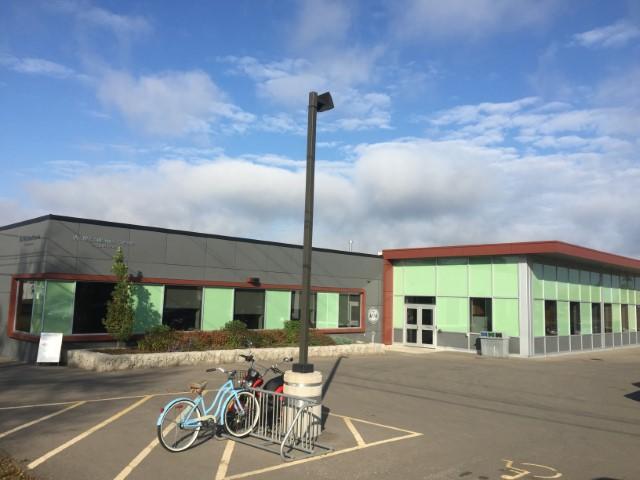
This article explains how commercial appraisal supports acquisition and disposition in Dufferin County, what to expect from a quality assignment, and where local context often changes the answer. Along the way, practical examples show how value moves when zoning, servicing, or tenant profile shift by just a notch.
The Dufferin context and why it matters to value
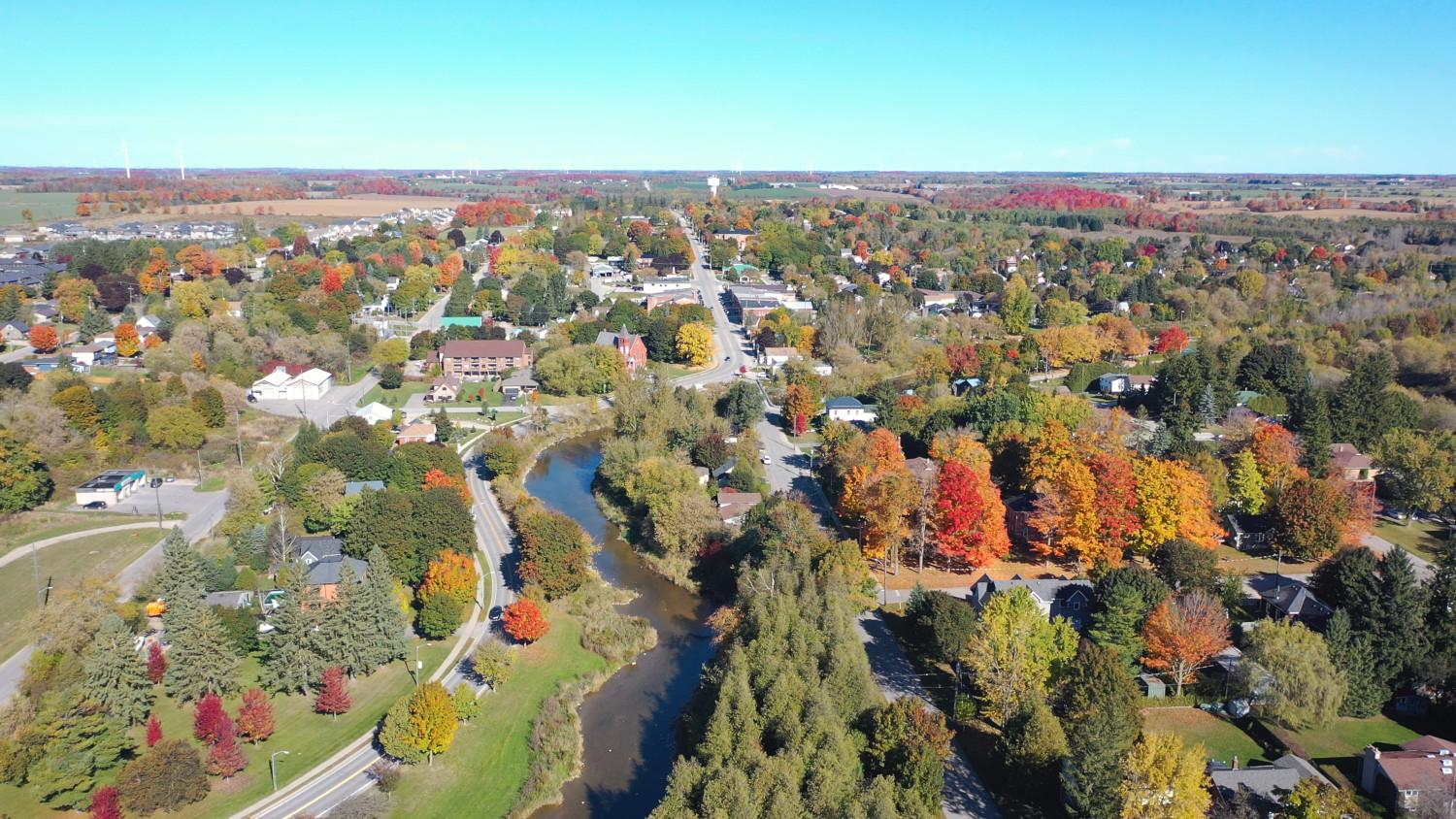
Dufferin County stretches across distinct submarkets. Orangeville concentrates most of the region’s office and industrial inventory, with arterial exposure along Highway 10 and Highway 9 feeding demand from logistics, trades, and regional service firms. Shelburne has been one of Ontario’s faster growing small towns over the last decade, with new rooftops expanding the customer base for local retail and personal service spaces. Mono and Mulmur offer estate residential and rural commercial pockets, and they also carry Niagara Escarpment Commission controls that tighten the development path. Amaranth and Melancthon lean agricultural, with pockets of wind energy and aggregate resources that require specialized appraisal approaches. East Garafraxa and the Town of Grand Valley’s fringe areas further diversify the land mix, including rural industrial and contractor yards that operate under site specific zoning.
These differences play out directly in value. Exposure time in Orangeville’s small bay industrial segment may be 2 to 4 months in balanced conditions, whereas specialized rural industrial yards can take 6 to 12 months to locate the right buyer. Retail net rents on a prime Orangeville arterial may run in the mid to high teens per square foot for stable tenancies, while small village main streets in the north still trade mainly on user occupancy or mixed income and market support can be thin. Environmental constraints from Credit Valley Conservation and Nottawasaga Valley Conservation Authorities, as well as NEC development control in Mono and Mulmur, shape both highest and best use and development timelines. Each constraint is a valuation lever.
When a client asks for commercial real estate appraisal in Dufferin County for a purchase, I start with submarket reality. What is the tenant profile today, not what a model says it should be. How reliable are comparables in a thin data environment. What regulatory layers sit on the site. You can buy time by ignoring these questions, but not money.
Acquisition and disposition need different lenses
An appraisal for acquisition is about protecting downside risk and validating upside assumptions. A disposition focused report supports pricing strategy and helps the vendor rebut low ball offers with evidence. The underlying valuation theory does not change, but the emphasis does.
- An acquisition appraisal weighs market rent sustainability and capital expenditure exposure more heavily, because those elements can harm cash flow post closing. It tests negative scenarios.
- A disposition appraisal evaluates the most probable buyer pool and the marketing period needed to attract them. It frames the value story that a listing broker will carry to market.
In both cases, the commercial appraisal services Dufferin County buyers and sellers rely on must meet lender and accounting standards, but the scoping choices differ. I often calibrate two reconciled value points for clients who ask for it, one at stabilized income with planned lease up, and one at current as is performance, because negotiations hinge on both.
How the three approaches behave in Dufferin
Direct comparison, income, and cost approaches all matter. The https://sergioxtnq487.fotosdefrases.com/understanding-commercial-property-assessment-in-dufferin-county weight given to each depends on a property’s characteristics and the depth of local data.
Direct comparison. Essential for owner occupied industrial condos, small single tenant retail boxes, rural commercial shops, and many land assignments. The challenge is that Dufferin’s comparables often sit outside municipal boundaries or straddle very different contexts. A 10,000 square foot shop in Mono with outdoor storage rights and limited servicing cannot be compared blindly to a similar size building in Caledon with full municipal services. I adjust more heavily for servicing, outdoor storage rights, and visibility than in fully urban markets.
Income. Key for multi tenant industrial and retail in Orangeville and Shelburne. The trick is rent roll quality. Five year leases with renewal options to trades firms or stable national tenants carry very different credit and downtime assumptions. Reported cap rates can range widely because many trades are between private parties who allocate value to chattels or vendor take back finance. In recent years, small multi tenant industrial in this region has often traded in the high 5s to low 7s cap rate range depending on covenant, unit size mix, and functional obsolescence. I bracket with regional comps from Caledon, Alliston, and Guelph, then adjust back to Dufferin for liquidity and depth of buyer pool.
Cost. For newer construction, special use, or limited market assets, the cost approach offers a reality check. I often lean on it for agricultural buildings with commercial components, utility scale wind energy support facilities, and institutional buildings in smaller communities. Replacement cost new from credible sources, less physical depreciation, plus entrepreneurial profit and site value. It does not set market value by itself in most income assets, but it helps prevent overreaction to one or two aggressive comps.
Highest and best use, where the local overlays matter
On paper, a corner site on Highway 10 with a tired automotive building looks ripe for intensification. In practice, the site may be hemmed in by NEC controls, a conservation setback, limited access permits from MTO, or servicing limits that keep density low. Highest and best use must meet four tests, and in Dufferin the legal permissibility and physical possibility tests trip projects more often than in fully urban counties.
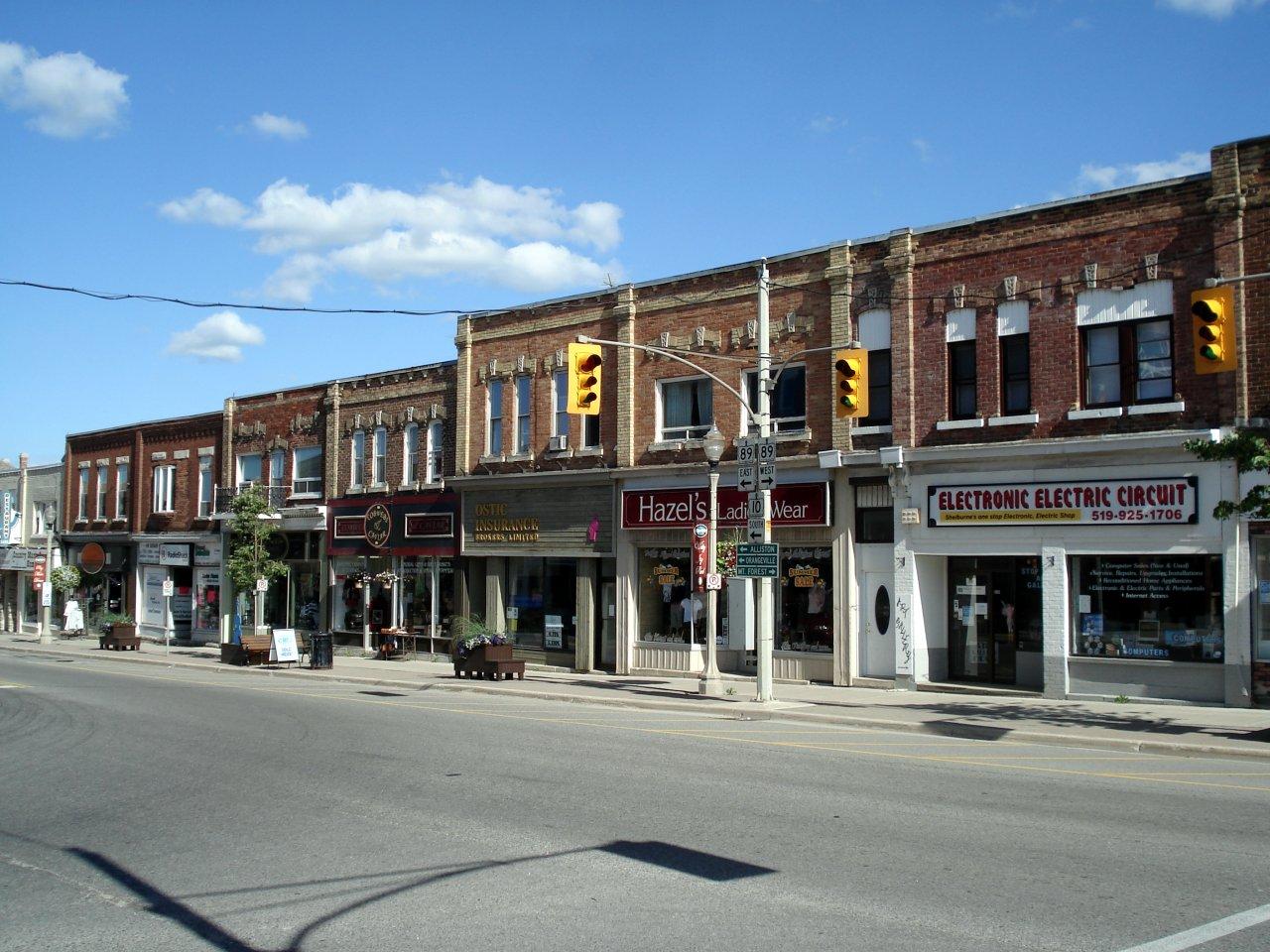
For greenfield or infill land, I start by mapping every layer. Local zoning by law, County Official Plan designations, NEC or Conservation mapping, and any site specific approvals. I also check servicing quietly with municipal engineering, because a lift station at capacity or a water supply constraint can stall even the best zoning story. If the most likely path to value requires plan of subdivision or major site plan approvals, I assign a timeline and soft cost budget grounded in similar approvals in Orangeville or Shelburne. When timelines stretch, developer profit and risk adjustments deepen, and the reconciled land value steps down accordingly.
Acquisition case notes from the field
A regional contractor approached me about purchasing a 24,000 square foot industrial condo complex in Orangeville, comprised of eight 3,000 square foot bays with small mezzanines. The vendor’s rent roll reflected blended net rents around 14 dollars per square foot, with two units rolling within twelve months. During inspection, two mezzanines were larger than shown on plans and lacked building permits. The mezzanine overbuild reduced headroom in the bays, slightly impairing truck access and clear height for racking.
The income approach was sensitive to that functional issue. Stabilized market rent for fully compliant units supported 15 to 16 dollars net for bays of that size with good truck access. I modeled two scenarios. First, remedial work to bring mezzanines to code, paid by the buyer post closing with 60 to 90 days of downtime in two units. Second, status quo with a disclosure backed rent reduction at renewal to reflect lowered utility to industrial tenants. The difference in reconciled value was meaningful, on the order of 6 to 8 percent of purchase price. The buyer used the report to negotiate a holdback to fund remedial work, reducing exposure on day one.
On the disposition side, I was engaged to appraise a small retail plaza in Shelburne with three tenants, including a local convenience store, a nail salon, and a vacant end cap. Reported market chatter suggested 6 to 6.5 percent cap rates for similar assets closer to Caledon. The local vacancy, limited tenant covenant, and parking configuration pushed the most probable buyer pool toward local investors or users, not institutions. After adjusting for lease up and tenant inducements, the supported yield was closer to high 6s. The vendor set asking price at a modest premium to the reconciled value to reflect limited supply, then accepted an offer after 45 days from a user who would backfill the vacancy with their own operation. Knowing the buyer profile helped the vendor avoid six months of chasing cap rate tourists.
Aggregate, agricultural, and rural commercial are not afterthoughts
Many appraisers in larger markets gloss over aggregate pits, rural industrial yards, and farm properties with commercial outbuildings. In Dufferin, these make up a non trivial slice of assignments.
Aggregate valuation might start with a cost or sales comparison, but operating pits often warrant an income based royalty analysis. Tonnage history, remaining reserves, quality of the aggregate, haul routes, and distance to market all matter. Royalties vary, typically expressed per tonne, and discounting the projected royalty stream requires a thorough risk profile. Environmental bonding, rehabilitation obligations, and haul road agreements sit directly in the cash flow.
Rural contractor yards or outdoor storage properties live at the intersection of zoning compliance and utility. Many operate under site specific zoning or legal non conforming status. I verify permissions for outdoor storage, heavy equipment parking, and accessory buildings. Buyers will pay a premium for a site where their operation is not at risk of enforcement. Conversely, if current use pushes beyond permissions, marketability shrinks and value pulls back. Comparable sales often sit miles apart. I cast a wide net and adjust heavily for permissions and servicing.
Farm properties with commercial elements, such as packing sheds, cold storage, or farm gate retail, require careful allocation between agricultural and commercial value drivers. In mixed use sales, I reach out to listing agents for allocative detail and validate with cost new of specialized improvements. The value of a 10,000 square foot cold storage building with three phase power is very different from a multipurpose barn with no refrigeration.
Data scarcity and how to compensate
Dufferin County can be a thin market. A commercial appraiser in Dufferin County will often work with fewer clean comparables than peers in the GTA. That is not a flaw, it is a condition to manage.
I keep a rolling file of verified private trades, including off market deals where the parties allow anonymized use. I also maintain adjustment matrices built from repeat observations, such as the premium for municipal services over well and septic in small bay industrial, or the penalty for insufficient truck court depth. When data are scarce for a property type, I bracket with comparables from adjacent markets like Caledon, New Tecumseth, or Guelph, then quantify the liquidity discount that Dufferin assets may face. I show my work so clients and lenders can follow the path from raw data to reconciled value.
For income assets, I triangulate rents with three sources. Actual leases in the subject or immediate peers, current asking rents adjusted for concessions, and broker interviews focused on recent deals signed rather than asking numbers. That three legged stool tends to hold even when one leg is wobbly.
Regulatory and environmental traps to check early
Development control by the Niagara Escarpment Commission across parts of Mono and Mulmur changes the process and the timeline for even modest expansions. Conservation authorities, including Credit Valley and Nottawasaga, apply setbacks that can sterilize portions of a site. Highway access permits on Highway 10 and Highway 9 affect curb cuts, signage, and sometimes parking counts. Rural properties rely on private wells and septic systems, and upgrading for intensified commercial use can be expensive or impractical.
Environmental due diligence should not be an afterthought. Phase I Environmental Site Assessments are standard for financing in industrial and automotive uses. In agricultural areas, past fuel storage or pesticide mixing pads may trigger further investigation. For aggregate or former industrial sites, the record of site condition process can reshape timelines and, with it, value.
What lenders expect and how to plan the timeline
Bank requirements vary. Most institutional lenders active in Dufferin request a narrative appraisal report to CUSPAP or USPAP standards, with a detailed market analysis, highest and best use, and at least two approaches to value. Turnaround typically runs 10 to 15 business days from a complete document set and property access. Complex assets, such as multi building industrial parks, aggregate operations, or sites with significant regulatory overlays, may run 3 to 4 weeks. Rush work is possible, but it costs more and risks shallower market sounding.
Clients often ask why the site inspection takes only a few hours while the report takes weeks. The writing is not the bottleneck. It is the verification calls, the rental market triangulation, the confirmation of zoning and permissions, and the reconciliation. That is where accuracy lives.
Pricing, re trades, and using the report in negotiation
A good appraisal will not negotiate your deal for you, but it can anchor a conversation. On acquisitions, I have seen well documented exposure time and leasing assumptions help buyers resist vendor narratives that assume instant lease up at aspirational rents. On dispositions, showing a buyer how your asking price aligns with stabilized income at market rent and a credible cap rate can keep focus on fundamentals rather than haggling over minor perceived defects.
Do not be afraid of ranges. For assets with unavoidable uncertainty, such as land with pending approvals, a point value can understate risk. Presenting a supported range with scenario notes helps align buyer and seller expectations. Sophisticated lenders accept this, provided the analysis is transparent.
Commissioning the right scope for your purpose
Some clients ask for “just a letter of opinion.” Lenders, auditors, and courts will not accept that. The right scope depends on the decision at hand. If you are confirming list price for a disposition of a small owner occupied shop with no financing, a shorter restricted report might be sufficient. If you are closing on a multi tenant asset with CMHC insured debt, expect a full narrative with a deep income analysis, lease abstraction, and market exposure commentary.
Here is a concise commissioning checklist that consistently saves time and rework:
- State the purpose clearly, including whether financing, audit, or litigation support is involved.
- Provide the rent roll, all leases and amendments, and a breakdown of recoveries and capital expenditures for at least three years.
- Share any surveys, site plans, environmental reports, and building permits, especially for mezzanines or additions.
- Identify any known zoning permissions or site specific bylaws, and flag non conforming uses.
- Confirm access for inspection to all units or buildings, including roof and mechanical spaces where possible.
When the scope aligns with the decision and the data are complete, the report reads cleaner and lands faster with the lender.
How appraisers reconcile when the numbers disagree
In a mixed signal assignment, the three approaches often pull in different directions. Suppose direct comparison on a small industrial building suggests 210 to 230 dollars per square foot, while the income approach at current rents supports only 195 dollars because the tenant profile is weak. If market evidence shows that most buyers are users, not investors, the reconciled value may favour the direct comparison while acknowledging short term income underperformance. Conversely, if investors account for most trades in that segment, the income approach anchors and the comparison approach is adjusted downward for income risk.
Professional judgment sits in that reconciliation. It is not arbitrary. It follows a chain of logic: who is the most probable buyer, what is their return hurdle, how deep is the market, and what does it cost to fix the issue that depresses one approach.
Fees, independence, and hiring a commercial appraiser in Dufferin County
Fees for commercial appraisal services in Dufferin County vary with complexity. A straightforward owner occupied industrial condo might land in the low thousands. A multi tenant industrial complex, a retail plaza with multiple leases, or a development land parcel with layered approvals sits higher. Aggregate operations, large rural industrial sites with permissions questions, or assignments that require expert testimony are more expensive because the analysis and verification time expand.
Independence is not negotiable. Appraisers are advocates for their opinions, not your deal. The best client relationships I have are with investors and lenders who value frank analysis, even when it complicates a negotiation. If you are hiring commercial property appraisers in Dufferin County, ask about local files completed in the last two years, comfort with NEC and conservation authority issues, and how the firm sources and verifies comparables in thin markets. A polished national brand does not guarantee local insight.
Submarket quick notes, the small details that move value
Orangeville. For small bay industrial, ceiling height, truck court depth, and mezzanine legality show up in rent differentials. Retail demand tracks household growth and commuter patterns. Office is modest in scale and leans toward medical and professional users, with limited appetite for large floor plates.
Shelburne. Rapid residential growth has pulled retail and service demand forward, but tenant covenants are often local. Newer plazas with national tenants can command stronger yields and more stable cash flows, yet depth of buyer pool is still thinner than in GTA edge markets. Watch parking ratios and site access on busy corners.
Mono and Mulmur. NEC adds time to even simple changes. Rural estate demand supports some commercial services along key routes, but users tend to be owner operators. Servicing drives feasibility.
Amaranth and Melancthon. Agricultural and aggregate define many sites. For wind energy support buildings or older farm outbuildings with commercial use, the cost approach and permissions analysis carry heavier weight.
Grand Valley and East Garafraxa. Smaller scale commercial with local demand, occasional rural industrial or contractor yards. Confirm permissions carefully and do not assume that neighbouring uses share the same zoning relief.
Valuation for expropriation and public acquisitions
While most assignments are private transactions, expropriation and partial takings for road widenings occur. In these, market value must be paired with injurious affection analysis when access or visibility changes. For highway fronting commercial uses, the loss of a dedicated curb cut or reduced turning movements can bite into trade area capture, and value follows. Early coordination with legal counsel and transportation engineers helps quantify impacts credibly.
When to revisit value and how often
Markets move. Lease rollovers change risk. Regulatory files open and close. As a rule of thumb, I recommend a fresh look at value when a major lease renews, a substantial capital project completes, or there is a material change in interest rates or lending spreads that affects cap rates. Yearly updates for institutional reporting make sense for multi tenant assets. For owner occupied properties, a review every two to three years or ahead of refinancing is usually enough.
Putting it all together
Dufferin County rewards grounded analysis. If you need commercial property appraisal in Dufferin County for an acquisition, bring your assumptions and let them be tested against local realities. If you are selling, structure your data so a buyer cannot poke holes faster than you can fill them. A capable commercial appraiser in Dufferin County will not only run the math, they will explain the path, show sensitivity, and point to the levers you can actually pull.
To the question many clients ask last, is there a single right number. Sometimes, yes. More often, the right answer is a supported value with a narrow band that reflects realistic scenarios. In a county where a conservation setback can remove ten percent of developable area and a mezzanine can shift rent by a dollar or two per square foot, that band is not hedging, it is precision.
As you plan your next move, pick your partner carefully. Commercial real estate appraisal in Dufferin County benefits from local files on the shelf, calls that get returned by municipal staff because of a history of fair dealing, and the humility to say when the data will only carry you so far. Those are the traits that will keep your acquisition honest and your disposition credible.