Dufferin County’s Leading Commercial Appraisal Companies: A Buyer’s Guide
Choosing the right commercial appraiser in Dufferin County is not a line item, it is a risk decision. The valuation you commission will shape financing terms, the negotiating posture on a purchase or sale, and in some cases the trajectory of a development application or tax appeal. In a market that straddles Greater Toronto’s gravitational pull and rural Ontario’s realities, generic reports or out‑of‑area assumptions can skew numbers in costly ways. If you are hiring for commercial building appraisal in Dufferin County, or comparing commercial land appraisers for a complex site, the right fit starts with an understanding of this market’s quirks and what separates one firm from another.
The ground truth: Dufferin’s commercial market is not one thing
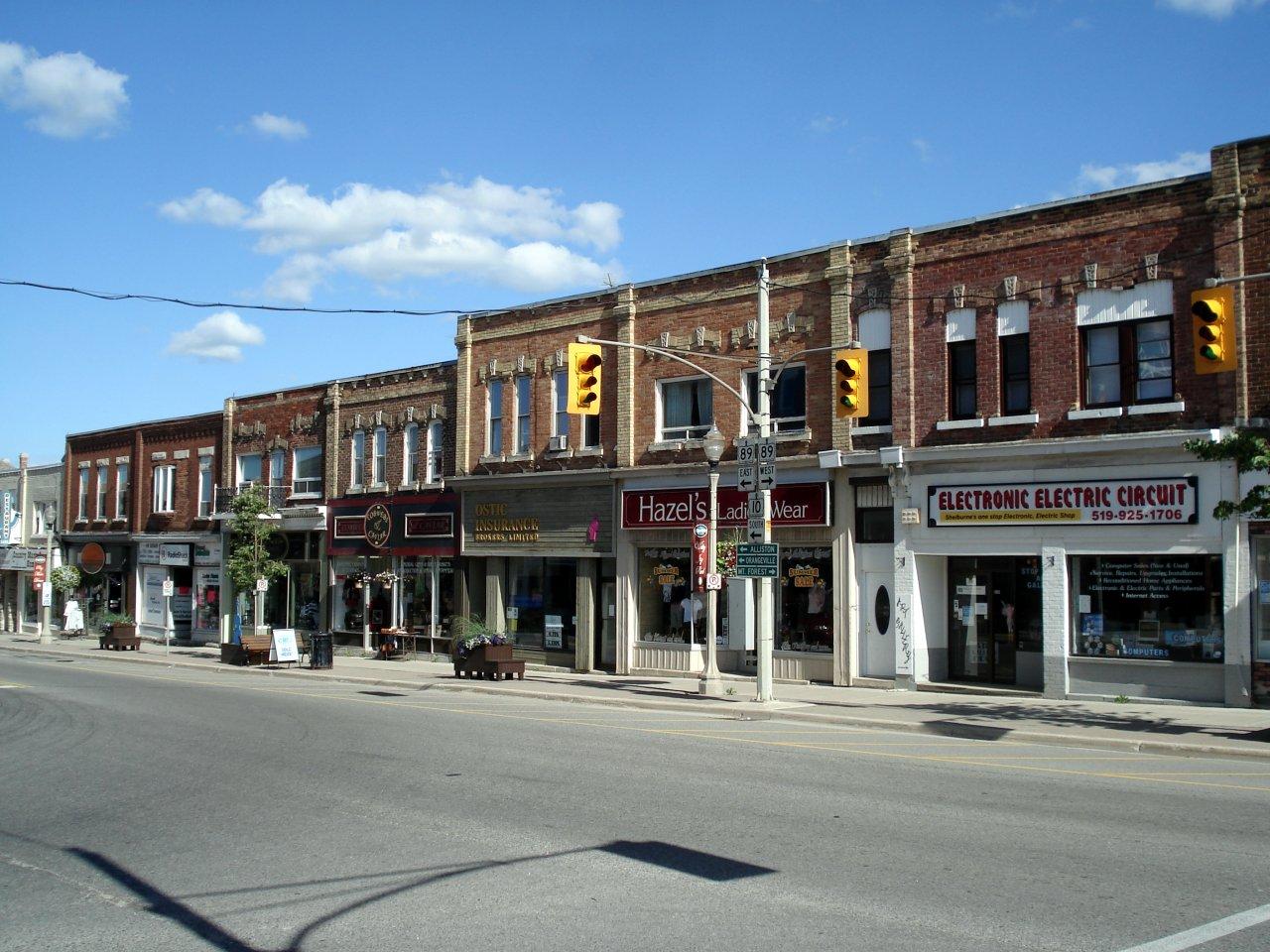
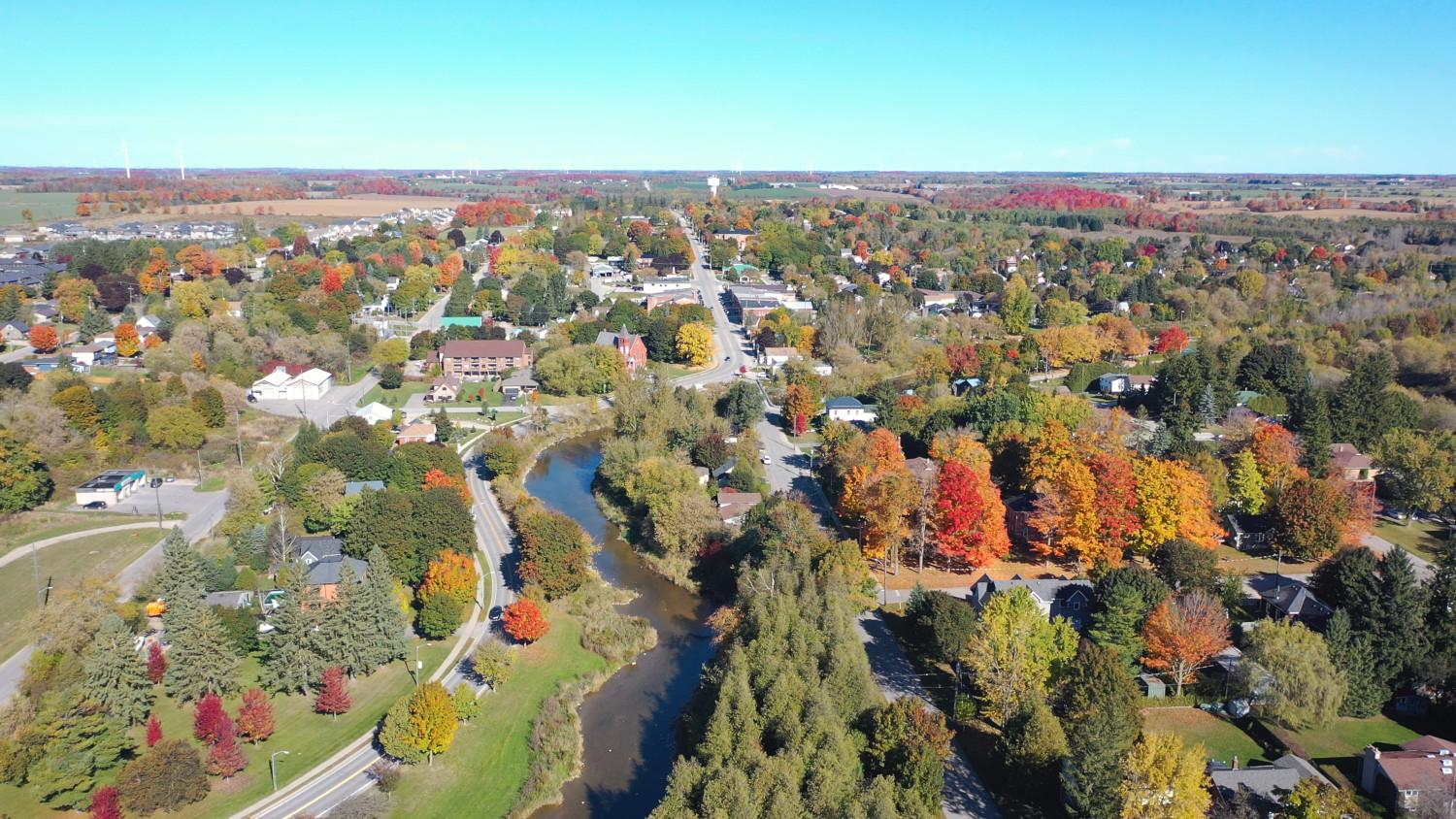
From Orangeville’s main-street mixed use buildings and highway retail to Shelburne’s fast expansion, the patchwork in Dufferin County defies a single model. Industrial condos along Centennial Road do not price like older bay-and-office buildings tucked behind Broadway. Rural truck yards in Amaranth run on different economics than light industrial in Mono. Agricultural holdings in Melancthon, sometimes intersecting with wind turbines, have land-use frictions that never show up in downtown office towers. Grand Valley and Mulmur see seasonal population swings that affect retail capture rates, and new subdivision approvals ripple through nearby commercial service nodes.
Approached without local context, a capitalization rate pulled from a GTA survey can under or overstate value by tens of percent. Service availability drives a surprising number of decisions here: well and septic versus municipal, three-phase power capacity for light manufacturing, road weight restrictions at thaw, and snow load considerations on older roofs. Conservation authority mapping from NVCA and GRCA can affect both the buildable envelope and the achievable density on development lands, which flows directly into the numbers a commercial land appraiser should be modeling.
What a commercial appraisal actually delivers
A formal commercial appraisal answers a specific question, for a defined user, as of a particular date, using a defensible process. That might sound clinical, but it matters. Value for lending at a 60 percent loan‑to‑value on a stabilized industrial asset is a different exercise than value for expropriation support or a shareholder dispute. The appraiser defines the interest appraised, usually fee simple or leased fee, the type of value, most often market value, and the effective date.
Methodologically, a complete report will describe highest and best use, then develop the appropriate approaches to value. In Dufferin County, commercial building appraisers will commonly rely on the income approach for leased retail plazas or industrial, the direct comparison approach for owner‑occupied properties with limited lease evidence, and the cost approach when improvements are special‑purpose or market data is thin. Commercial land appraisers in Dufferin County often use subdivision analysis for residential or mixed‑use lands, discounted cash flow for phased development, or residual land value techniques when evaluating density under a conceptual plan.
The output is not just a number. It is a narrative and a set of analyses that, if tested, hold together under lender review, audit, cross‑examination, or municipal file scrutiny.
Appraisal versus assessment: two different tools
It is common to hear “assessment” and “appraisal” used interchangeably. They are not the same. A commercial property assessment in Dufferin County typically refers to the assessed value issued by the Municipal Property Assessment Corporation for taxation. MPAC’s mass appraisal model is built for tax equity across classes, not transaction‑ready precision on a particular asset. An appraisal, by contrast, values a single property, on a specific date, for a particular purpose, with market evidence and adjustments explained property‑by‑property. You can certainly use an appraisal to inform a tax appeal, but do not expect MPAC’s assessed value to satisfy a lender underwriting a refinance.
When to bring in a commercial appraiser
Lenders almost always drive the timeline, but smart owners involve an appraiser earlier. If you are preparing to sell an Orangeville strip, an appraisal six months before listing can point to lease adjustments that might lift value more than their cost. For a Shelburne industrial building with below‑market rents expiring next year, an appraisal can identify the spread between “as is” and “stabilized” value, which helps sequence capital expenditures and debt. On development lands, commercial land appraisers in Dufferin County can provide pre‑acquisition sensitivity that accounts for servicing paths, parkland dedications, and achievable absorption. Litigation support, estate equalization, IFRS or ASPE fair value measurement, expropriation, and partial takings for road widenings call for specialized experience that not every firm offers.
Credentials, compliance, and independence
In Canada, look for AACI, P.App designation holders from the Appraisal Institute of Canada for commercial work. The CRA designation is typically residential, with narrower commercial scope. Reports must comply with the Canadian Uniform Standards of Professional Appraisal Practice. Some firms also prepare to USPAP standards when a US‑based lender or investor requires it. Ask about errors and omissions insurance limits, conflicts checks, and whether the signing appraiser will conduct the inspection and analysis or simply oversee a junior’s work. Independence matters as much as competence. A report written to please a borrower rather than to reflect the market will not survive lender review, and it can damage credibility in future assignments.
Local knowledge that actually moves the needle
Several Dufferin‑specific realities regularly change value:
-
Rural services. A retail or industrial building on well and septic can see lending constraints and buyer reticence. Replacement reserves for well pumps or septic systems should be captured in the cash flow, and some lenders haircut values or tighten covenants on private services.
-
Aggregate and soil. Amaranth and Melancthon have aggregate operations that can restrict adjacent development or create heavy truck traffic influences. That can either depress a property’s appeal for certain uses or bolster value for logistics.
-
Environmental history. Small towns carry long memories. A “former garage” from the 1970s along a county road likely means underground tanks. Phase I ESA red flags appear more often than in freshly built GTA suburbs, and they shape the risk margin in any valuation.
-
Agricultural adjacency and MDS. Minimum Distance Separation setbacks around livestock operations in rural Dufferin can affect potential uses on fringe lands. On development land files, this interacts with official plan policies and can alter the density used in residual land value calculations.
-
Conservation authority and floodplain constraints. Both NVCA and GRCA mapping often surprises non‑locals. A seemingly flat grassed expanse may have a regulated swale that clips the buildable area. An appraiser who misses this inflates land value, and a buyer who relies on that number will negotiate on a false premise.
How to compare commercial appraisal companies in Dufferin County
Most firms say the right things. Differentiate on who will sign and defend the report, the firm’s data depth in this county, and whether their typical users include your lender base and counterparties. Teams that work regularly with Schedule A lenders in the GTA and niche lenders active up Highway 10 tend to calibrate cap rates and exposure periods with more precision. On land work, ask about subdivision analysis in nearby municipalities with similar absorption, not just far‑afield models imported from fast‑growing 905 towns.
Here is a practical short list to anchor your due diligence when screening commercial appraisal companies in Dufferin County:
- Confirm the designated appraiser’s recent experience with the same asset type within 30 to 60 minutes of the subject.
- Ask for anonymized sample pages that show how they treat rent roll normalization, vacancy, and non‑recoverable expenses.
- Verify lender acceptance, including whether your target lender has the firm on an approved list or panel.
- Pin down timeline and communication cadence, including draft review for factual accuracy before final issue.
- Clarify fee structure, rush premiums, and out‑of‑pocket costs for travel, data, or specialized studies.
Fee and scope expectations, without the guesswork
Budgets depend on scope, purpose, and complexity, but there are reasonable ranges in this market. A stabilized, single‑tenant industrial condo in Orangeville with a straightforward lease and clean environmental file commonly falls in the 3,000 to 5,000 dollar range for a narrative appraisal. A multi‑tenant retail plaza with five to ten leases, some percentage rent clauses, and older HVAC might run 5,000 to 8,000 dollars, rising with the number of suites and lease complexity. Commercial building appraisal in Dufferin County for special‑purpose assets such as a small hotel or a self‑storage facility can move into the 7,000 to 12,000 dollar band, more if the assignment needs a full discounted cash flow model.
Land files vary the most. A simple commercial pad site with full municipal services and clear zoning might be 4,000 to 6,500 dollars. Larger tracts with partial servicing, density questions, or layered constraints can start at 8,000 and exceed 20,000 dollars if subdivision analysis or multiple phased absorption scenarios are required. Litigation, expropriation, or Board appearances add hourly time after the initial report. Rushed timelines add premiums of 10 to 30 percent, depending on calendars and inspection scheduling.
Methodology, tuned to Dufferin realities
An appraiser’s toolbox is standard, but the inputs are intensely local.
-
Income approach. For leased industrial and retail assets, cap rates in Dufferin over the last few years have often trended higher than core GTA nodes, reflecting smaller buyer pools and perceived liquidity risk. Depending on the asset’s covenant strength, age, and location, you might see loaded cap rates ranging from the mid 5s to low 7s, with stabilized vacancy allowances of 3 to 6 percent in busier corridors and higher in secondary pockets. Expense recoverability matters. Some older centers carry non‑recoverable items that erode net operating income. Roof age and parking lot condition drive near‑term capital expenditures and should be modeled in a reserve line or as a near‑term deduction.
-
Direct comparison approach. Owner‑occupied buildings can be benchmarked to sales per square foot, but adjustment grids should capture ceiling height, loading, bay depth, and power. In Dufferin, a 14‑foot clear height can materially reduce buyer interest compared to 18 or 20 feet, even if the rest of the spec is similar. Rural exposure, lot coverage constraints, and distance to Highway 10 or 9 warrant real adjustments, not hand‑waving.
-
Cost approach. Useful when a special‑purpose building is thinly traded, or when improvements are new and market evidence lags. Replacement cost new less depreciation must reflect local construction inputs, which have swung widely. Functional obsolescence is common in small‑town assets that were built for uses now out of favor, like single‑bay service garages without environmental upgrades.
-
Land valuation. Residual land value and subdivision analysis need credible assumptions on density, parkland, development charges, site works, and timing. Absorption in Shelburne and Orangeville can climb in flurries when builders launch, then cool, so models should use phased cash flows and scenario analysis rather than a single take‑out year.
In every method, the story should match the math. If a report claims tight retail vacancy on Broadway yet deducts a high vacancy allowance without explanation, ask for reconciliation. If an appraiser anchors land value to a sale in a different conservation authority regime without adjusting for regulated areas, challenge the rationale.
Common pitfalls to avoid
Two patterns recur in assignments that later unravel under review. The first is an appraisal ordered for the wrong purpose or to the wrong standard. A letter of opinion for internal planning will not satisfy a lender’s underwriting team, even if the value conclusions are in the right ballpark. The second is over‑reliance on out‑of‑market comparables without rigorous adjustment. A cap rate from Mississauga or Barrie does not transplant neatly to a Shelburne plaza that sees different tenant mix and turnover. More subtle but equally damaging, ignoring zoning or underestimating servicing timelines on land files can inflate values on paper and set bad expectations with partners.
Working well with your appraiser
The best reports start with good information. Treat the appraiser as a temporary member of your team for a few weeks. Walk them through tenant nuances at the inspection, not after the draft lands. Help them see the maintenance realities that do not show up in broker packages, like a shared driveway agreement that has worked informally for years but requires legal clarity. On land, give them your latest correspondence with the municipality and any third‑party studies, even if you think they are preliminary.
Owners and brokers sometimes worry that too much candor will suppress value. In practice, it makes the report stronger. If a tenant is month‑to‑month at a below‑market rent, a credible plan and track record of leasing can support a near‑term stabilization assumption, which can increase the reconciliation. If the roof needs replacement within two years, acknowledge it and let the appraiser handle it explicitly rather than leave it to a lender’s engineer to flag later.
Here is a compact preparation list that speeds the process for commercial building appraisers in Dufferin County:
- Current rent roll with start and expiry dates, options, and any free rent or abatements noted.
- Copies of all leases, including amendments, and a trailing twelve‑month statement of income and expenses.
- Recent capital expenditures and planned projects, with invoices or budgets if available.
- Site plan, surveys, environmental reports, and any building condition assessments.
- For land, planning correspondence, concept plans, servicing reports, and any draft plan conditions.
Timelines and what is realistic
A typical sequence runs two to three weeks from engagement to final report, assuming prompt document delivery and access for inspection. The first week often covers document review, initial market research, and inspection. The second week is analysis and drafting. The third, if needed, is for borrower fact checks on the rent roll and cost inputs, followed by finalization. Land files stretch longer. Incorporating current planning nuance, confirming servicing with engineering input, and modeling multiple scenarios can push the timeline to four to six weeks. If your lender is driving a refinance deadline, flag it early. A reputable firm will either allocate resources or decline the rush rather than cut corners that later trigger a decline at credit committee.
Special cases: development land and rural commercial
Commercial land appraisers in Dufferin County face two tricky domains. The first is fringe‑of‑settlement land where agricultural uses, MDS setbacks, and source water protection policies meet future growth boundaries. Value depends on probabilities. You will see appraisers bracket scenarios with different density and timing, then weight them. Ask to see the sensitivity. The second domain is rural commercial uses like contractor yards, truck parking, and outdoor storage. Zoning compliance, site plan control, and surface treatment drive value more than in urban settings. Gravel versus paved, lighting, fencing, and stormwater plans all change a lender’s appetite and a buyer’s calculus.
Watch for aggregate resource overlays and haul routes. Where extraction potential exists, a site’s highest and best use may be different than the current use, which complicates valuation. Conversely, an aggregate reserve that will never be permitted can be a red herring that depresses perceived value without practical effect. Skilled local appraisers separate the two with reference to policy and precedent.
Financing reality checks rooted in valuation
Commercial building appraisal in Dufferin County commonly feeds into debt sizing. Small balance lenders might underwrite to 1.25 debt service coverage on the appraiser’s stabilized net operating income, with a 20 to 25 year amortization and interest rates that have fluctuated meaningfully in recent cycles. If a report uses an aggressive market rent lift without evidence, the lender will haircut it, not your debt service test. A clean, supportable income approach with reasonable vacancy, realistic expense norms for well and septic, and capital reserves aligned to the building’s age often produces smoother credit decisions than a higher value propped up by rosy assumptions.
On owner‑occupied deals, lenders lean on the direct comparison approach and set loan‑to‑value caps, often 65 to 75 percent. Here, the sales narrative matters. A report that carefully adjusts for functional differences, like clear height and power, helps a credit officer defend an approval up the chain.
Short vignettes from the field
A Shelburne plaza looked rich on a broker’s 6 percent cap pro forma. The appraiser found three leases with gross structures and snow removal not fully recoverable. Adjusted to a net equivalent, the cap rate effectively moved to 5.4 percent. With an appropriate market cap rate for that street and vintage closer to 6.5 percent, value came in 15 percent below asking. The buyer avoided over‑leveraging, and after the seller agreed to normalize recoveries over a year, the second appraisal on the stabilized income aligned with the broker’s number.
A trucking yard in Amaranth with compacted gravel, lighting, and a small shop generated strong demand from operators priced out of Peel. Two out‑of‑area appraisals leaned on GTA sales and missed the local conservation authority’s stormwater requirements for expansion. A Dufferin‑based appraiser adjusted for future compliance costs and achieved a value that satisfied a local lender more comfortable with the site’s regulatory context.
On a 30‑acre development parcel outside Orangeville, a residual https://deangyuy136.theglensecret.com/commercial-land-appraisers-in-dufferin-county-expert-insights land value using optimistic density collapsed after the appraiser verified that a regulated watercourse clipped the southern third. The resulting road pattern reduced lots by 10 to 15 percent. Modeling two absorption scenarios salvaged the deal by clarifying timing and cash flow pacing. The buyer adjusted the price and avoided a fight at draft plan stage.
How to read a finished report with a critical eye
Read the intended use and the effective date first. If you need a number for a refinancing in September, a June effective date can cause avoidable friction. Next, test the consistency. Do the market rent comparables resemble the subject in location and spec, and do adjustments acknowledge Dufferin’s service realities, not just GTA norms. For a commercial building appraisal in Dufferin County, look for explicit treatment of private services, roof age, and parking lot condition. In an income approach, confirm that vacancy and collection loss tie to actual experience in Orangeville and Shelburne, not provincial averages.
On land, flip to the highest and best use discussion and see whether it grapples with official plan policy, conservation mapping, and servicing. A page of boilerplate that could be dropped into any county will not survive scrutiny when a lender’s reviewer or a municipal planner reads it.
The difference a good firm makes
Commercial appraisal companies in Dufferin County that invest in local data and relationships write reports that stand up. They have rent files on older Broadway mixed‑use properties and recent industrial leases on Centennial. They maintain sales logs that disentangle family transfers from arm’s‑length deals. They pick up the phone to confirm whether a quarry setback affects a given farm parcel. They have argued about cap rates with the same lenders you will face, and they know which points of evidence ease those debates.
If you operate across Southern Ontario, you may be inclined to send everything to a single large firm. Sometimes that is fine. For Dufferin assignments with nuances, a firm that treats this county as a core, not a hinterland, rewards you with better numbers and fewer surprises.
Final notes on fit and follow‑through
A report is not the end. Store the appraiser’s model assumptions alongside the PDF. When leases roll or capital projects complete, call the appraiser back to recalibrate. If you are cycling through financing in a year, ask whether a short update can keep costs down while refreshing the effective date. If you are planning a sale, invite the appraiser to sanity‑check a broker opinion of value and the offering memorandum’s pro forma. Good commercial building appraisers in Dufferin County will tell you where the market will push back, and that candor is worth as much as the valuation fee.
Hiring well is about clarity and fit. Define your purpose, match it to a firm’s strengths, test for local fluency, and insist on transparent analysis. Whether you are weighing offers on a small plaza or modeling cash flows on a tract of future development land, the right appraiser gives you a true picture, not just a number.