Get a Precise Commercial Property Appraisal in Dufferin County Today
Commercial values in Dufferin County do not move in lockstep with the Greater Toronto Area, and they rarely behave like textbook examples. A 12,000 square foot industrial building outside Shelburne with a gravel yard and a septic system values differently than a similar sized box tucked behind First Street in Orangeville. If you want a precise number you can defend to a lender, partner, court, or auditor, the process has to account for those local realities. That is the difference between a valuation that passes underwriting and one that invites conditions, re-trades, or delays.
A seasoned commercial appraiser in Dufferin County spends as much time validating the story behind a comparable as they do running the math. That means checking not only the sale price but also whether the buyer assumed environmental risk, whether the property had an excess land component, or whether the lease was between related parties. The nuance matters because a two point miss on a cap rate can erase hundreds of thousands of dollars from value on even modest assets.
What precision really means in this market
Precision is not false exactness. For commercial real estate appraisal in Dufferin County, precision means a well supported value range that reflects the asset’s income profile, physical attributes, legal context, and the behaviour of qualified buyers in submarkets like Orangeville, Shelburne, Mono, Grand Valley, Amaranth, Melancthon, Mulmur, and East Garafraxa.
Expect an opinion that narrows as the appraiser resolves unknowns. At the start, the value range might be wider, especially if leases, environmental reports, or permits are missing. As information arrives, support tightens. A good report explains each constraint, rather than hiding behind a single number with no commentary.
Where local context moves the needle
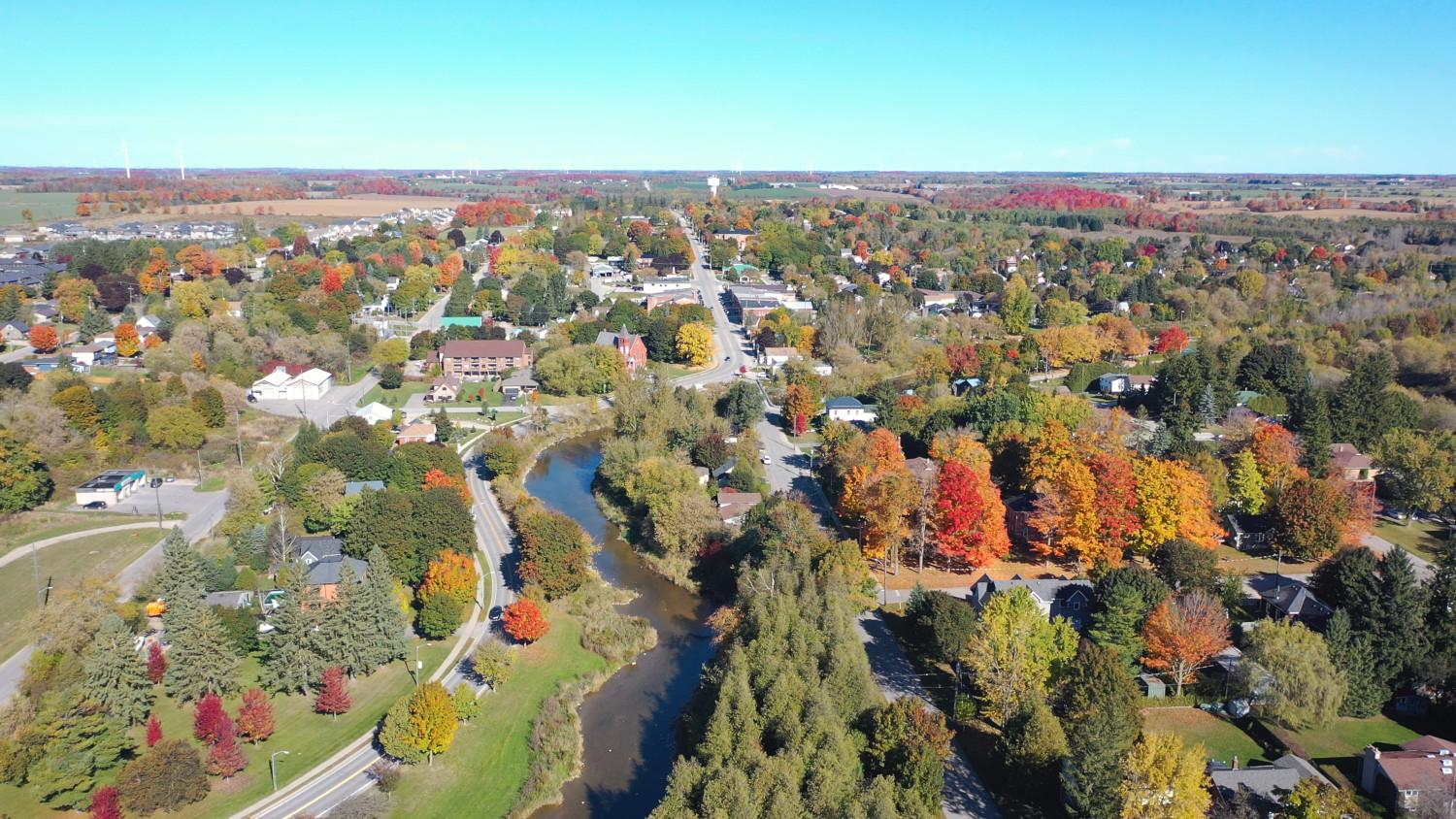
The county’s market is shaped by its role as a commuter and service hub for the broader Headwaters region. Orangeville concentrates most of the retail and office stock, with industrial scattered along Highway 10, Centennial Road, and in pockets of Mono. Shelburne has grown quickly, with new subdivisions and demand for contractor bays and service industrial units. Outlying areas lean rural, with farm holdings, aggregate operations, and legacy commercial sites along county roads that draw traffic from cottages and quarry workers.
That mix creates valuation quirks:
- A small shop with a yard that allows outdoor storage can outperform a standard industrial condo on rent per square foot, because trades prioritize yard space and trucking access.
- A well located retail pad with a drive-thru in Orangeville can command yield premiums over strip space without pad exposure, especially if it has a national covenant and strong traffic counts at a controlled intersection.
- Rural commercial uses depend on water, septic, and site plan approvals. Replacement cost and functional utility have to reflect these systems. Two similar looking properties can part ways on value if one has a documented tertiary treatment system and the other runs on an aging tank without records.
Property types and how they are viewed by buyers
Investors and lenders view Dufferin assets through risk and liquidity. Industrial tends to be the most liquid, retail follows depending on tenant quality, and office trails. Development land sits in its own category, where planning status and servicing capacity overshadow physical improvements.
A few examples from recent years highlight the spread:
- Small bay industrial, 1,500 to 4,000 square feet per unit, often trades on gross price per square foot benchmarks. Clear height, loading type, and yard share tilt value within a tight radius of Orangeville’s established parks.
- Single tenant industrial with a private yard and 18 to 22 foot clear height commands attention from owner users. If the building has 600 amp power and a newer roof, bidders show up. Cap rates compress if there is a credible sale leaseback.
- Neighbourhood retail in older Orangeville strips sees rent growth when units are shallow and street visible. But vacancy risk increases as spaces grow past 2,000 square feet without dedicated signage or parking ratios that satisfy quick service food.
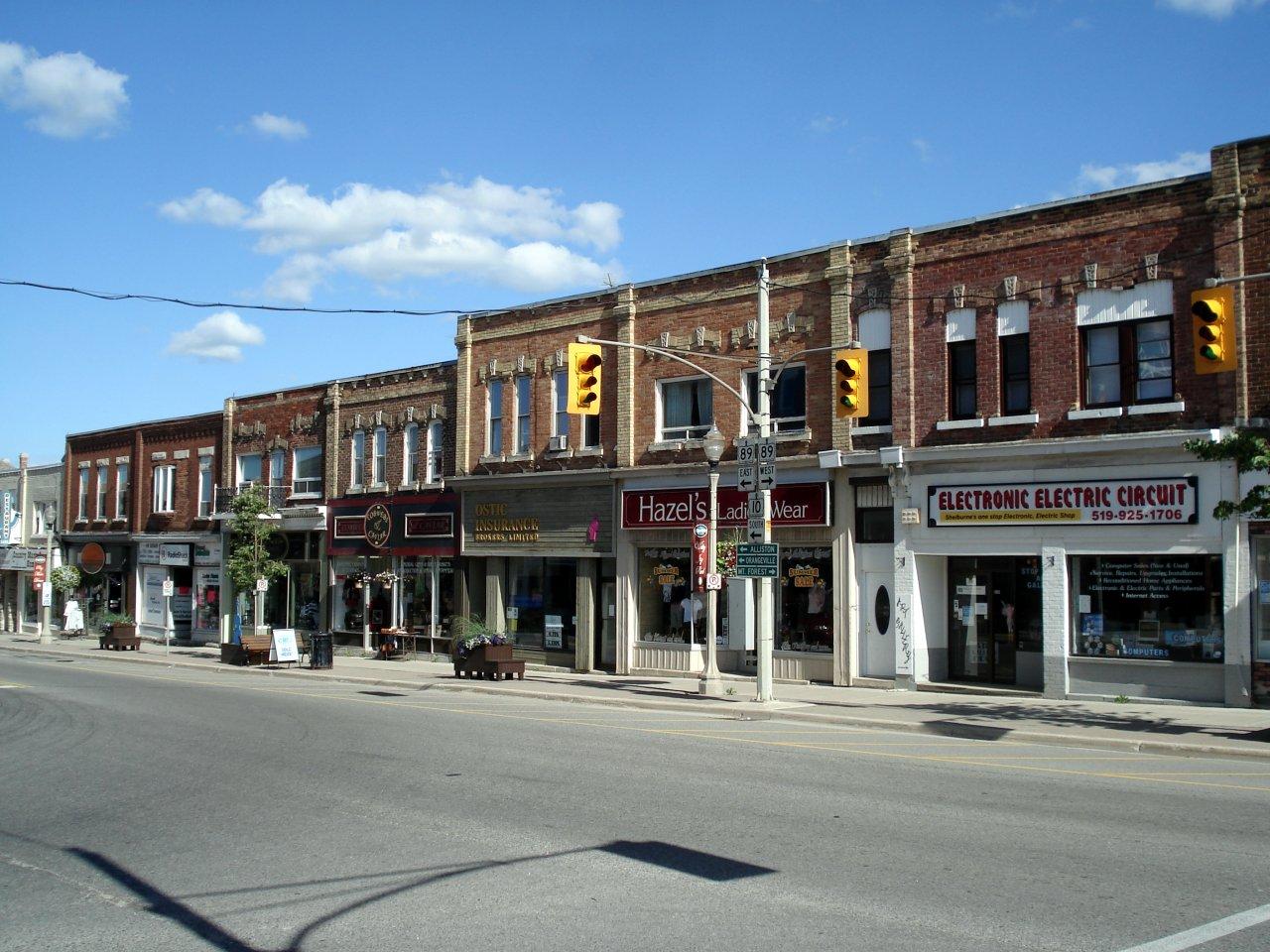
- Office over retail in historic main street settings leases more like specialized space. If the stairs are narrow and there is no elevator, accessibility limits the user pool and, by extension, value.
How a precise appraisal reads from the other side of the table
Lenders, partners, and auditors judge a commercial property appraisal in Dufferin County on credibility. That means:
- A clear narrative that ties market evidence to the assignment’s subject, not a generic explanation of valuation theory.
- Transparent adjustments. If a comparable sale closed at a price that seems high, the appraiser explains the lease roll, capital upgrades, or purchaser profile that drove it.
- Reconciled approaches. If the income approach differs materially from direct comparison, the report shows why. In tertiary or owner user markets, the direct approach can carry more weight.
- Sensitivity analysis when a single assumption carries unusual weight, for example an atypical vacancy downtime or unusual tenant improvement allowance.
When those elements are present, underwriters move faster. In my experience, the time saving on a refinance can be a week or more, which matters when a rate hold is about to expire or a vendor take back is tied to a closing date.
Approaches to value, applied locally
Three primary approaches are available, and each has local twists.
Direct comparison. For small to mid sized industrial and retail, comparison based on sale price per square foot is common, but the appraiser must separate the value of excess or surplus land. A 10,000 square foot building on two acres with fenced yard does not line up with a similar building on a half acre, even if the improvements match. In Shelburne and Mono, this adjustment can run well into six figures. Time adjustments also matter because supply is thin and a single aggressive buyer can distort a quarter’s data.
Income approach. For leased assets, net operating income governs value. In Dufferin, triple net leases with tenants responsible for taxes, maintenance, and insurance are common for industrial and pad sites. For older downtown stock, gross or semi gross leases appear more often. Appraisers normalize expenses, confirm whether management fees are truly recoverable, and test vacancy allowances against observed downtime. When available, multi year rent rolls and estoppels improve certainty.
Cost approach. Rural commercial sites with specialized improvements, or mixed farm and commercial use, often require a cost lens to bracket value. Replacement cost new must account for inflation in materials and trades since 2020. Roof membrane and HVAC costs jumped 20 to 40 percent over several years, depending on system type. Depreciation is not purely age based. Functional layout, code compliance, and the presence of sprinklers, loading docks, and energy efficiency retrofits all play roles.
A balanced reconciliation in Dufferin often gives the most weight to income when leases are at market with credible tenants, to comparison when owner users dominate, and to cost where improvements are unique or market evidence is thin.
Cap rates and yields buyers are paying
Cap rates move with interest rates, but local stickiness is real. Owner users will often pay above investor pricing if the building fits their operation. For multi tenant industrial in Orangeville with clean covenants, I have seen cap rates in a band roughly from the high fives to mid sevens across the last few cycles, widening as interest rates rose. Single tenant assets with short remaining terms push to the upper end unless the tenant has a strong covenant and options. Small retail pads with drive thrus and credit tenants can dip lower, while unanchored strips with mom and pop users sit higher to compensate for rollover risk.
Two rules of thumb help:
- Cap rates flatten quickly once you leave the immediate Orangeville trade area. If you are valuing a property near Grand Valley or east of Highway 10, the buyer pool narrows.
- Adjust for real, contract, and market rent. If an investor pays on in place net operating income but the rent is materially below market with limited near term roll, the implied cap rate can look compressed. The appraisal should normalize this effect in the stabilized analysis.
Data quality makes or breaks the assignment
Reliable data in smaller markets demands patience. A commercial appraiser in Dufferin County builds files from multiple sources: land registry sales, MLS when applicable, surveyor and lawyer confirmations, broker interviews, municipal records, and sometimes a call to the buyer or vendor for context on site conditions or timing pressures.
A comp’s value deteriorates if you cannot verify critical terms. For example, a sale at a high price per square foot may have included equipment or a crane system. Unless you back those out, your subject’s value will be biased. Similarly, if a retail lease reports a net rent that looks high for the strip, check whether the tenant absorbs capital items or if the landlord contributed a fit out allowance.
The appraisal process you can expect
To get from engagement to a report that will hold up with a lender or in a negotiation, the workflow is deliberate and transparent.
- Scoping call to define purpose, clients, and use. Financing, litigation, tax appeal, and estate planning each demand different levels of depth and disclosure.
- Document intake. Rent roll, leases, offers to lease, operating statements for at least two years, recent capital spend, site plan or survey, environmental reports, and any building condition assessments.
- Site inspection. Measure and photograph improvements, verify loading, ceiling heights, power, yard, and access. In rural cases, confirm well location, septic components, and any encroachments.
- Market research and analysis. Comparable sales and leases, trend analysis, cost checks with current contractor pricing, and calls to brokers and owners who recently transacted.
- Draft and review. Deliver a draft value range with key assumptions. Address questions, close gaps with additional data, and finalize the opinion with a rationale that ties to decision points.
When the parties stay responsive, typical turnaround in Dufferin is 7 to 12 business days for standard assets, and longer for unique or multi parcel assignments.
What to prepare before you call
The speed and precision of a commercial appraisal often come down to what you can provide on day one.
- A current rent roll that lists suite sizes, net rents, additional rents, lease start and expiry, options, and any rent steps.
- The last two years of operating statements, plus a year to date summary.
- Copies of all leases and amendments, or at minimum term sheets with tenant contact permissions.
- Documentation of capital work in the last five years, including roof, HVAC, paving, and life safety systems.
- Any planning or zoning correspondence, minor variances, site plan agreements, and environmental or building condition reports.
With these in hand, a commercial real estate appraisal in Dufferin County moves faster and lands on a tighter support range.
Case notes from the field
A contractor bay condo assignment in Orangeville highlighted how a simple ratio can mislead. Sales looked to cluster around a solid price per square foot, but half the units with the highest pricing had mezzanines built without permits. Once adjusted for illegal area that did not legally exist in the declared unit size, true pricing fell in line with units that had engineered and permitted mezzanines. The buyer who skipped that diligence overpaid by roughly 8 percent.
Another file involved a rural commercial shop on a five acre parcel north of Shelburne where the owner had fenced two acres for vehicle storage. Brokers pitched aggressive rents based on demand for yard, but water and septic capacity would not support the intended use intensity. The appraised value reflected realistic, permitted occupancy. After the owner upgraded the treatment system with approvals, NOI rose and the refinance captured that effort. It took eight months but added several hundred thousand in value.
A third example: a pad site on Broadway with a national coffee tenant. The lease had a corporate guarantee and a remaining term over eight years. Investors chased it, but the ground lease rent structure and landlord responsibilities for structural components cut the net figure more than expected. A clean, conservative reconciliation still supported a sharp number, just not the one implied by headline cap rates for fee simple, absolute net pads in larger markets.
Risks and traps that repeat
Two pitfalls appear again and again.
First, using MPAC assessed values as proxies for market value. Assessment and market value sometimes track, but their reference dates, mass appraisal methodology, and appeal adjustments make them unreliable benchmarks for a single property. A precise commercial appraisal services Dufferin County by anchoring to recent, verified market actions and property specific income and cost data.
Second, treating related party or partial exposure transactions as arms length. Family transfers, corporate reorganizations, and quiet deals between neighbors often carry tax or strategic motives that skew the price. An appraiser will still use them for context, but with adjustments or as secondary support.
Other recurring issues include ignoring demolition costs for obsolete improvements on development sites, underestimating downtime for second floor office over retail without an elevator, and assuming that retail rents from brand new plazas carry back to older strips without addressing parking, signage, and ceiling heights.
Regulatory and professional standards you should expect
A commercial property appraisal in Dufferin County must comply with Canadian Uniform Standards of Professional Appraisal Practice. Lenders usually require a designated member, AACI, to sign the report for commercial use. If you are dealing with expropriation, development charge disputes, or litigation, the scope tightens and disclosure expands. Reports for financial reporting under IFRS or ASPE can require specific language around fair value measurement and highest and best use.
Municipal context matters. Zoning falls to local municipalities like Orangeville, Shelburne, Mono, and others, even though county level policies influence growth and servicing. If a site’s value hinges on a change of use, the appraisal needs to map the path to approvals, including potential stormwater and traffic requirements. Development charges, parkland dedication, and servicing constraints can materially change residual land values.
Environmental, building, and infrastructure considerations
In older industrial pockets, environmental history is a key lever. A Phase I environmental site assessment reduces uncertainty. If a Phase II shows impacts, lenders will price risk or decline. Appraisers do not perform environmental engineering, but they incorporate the cost and stigma of remediation when indicated. A property with a Record of Site Condition in place often commands a liquidity premium over similar stock without one.
Building systems deserve the same discipline. Roof age and type, HVAC vintage and refrigerants, electrical capacity and distribution, and fire suppression determine capital reserves. A roof replacement on a 15,000 square foot building can range from $8 to $18 per square foot in recent markets, depending on system choice and insulation upgrades. Those numbers change the stabilized NOI if reserves are properly included.
Rural and semi rural sites bring well and septic into the value conversation. Documented pump tests, septic bed layouts, and maintenance records matter. Capacity constraints limit tenant types and density, which in turn lowers achievable rent or requires capital upgrades that the market will not fully capitalize.
Timing, fees, and when to order
Turnaround depends on complexity, access to the property and documents, and availability of recent comps. For standard leased industrial or retail, two weeks is common once the appraiser has what they need. Unique properties, multi building portfolios, or assignments with development analysis can take three to five weeks, especially if multiple municipalities are involved.
Fees scale with scope. Desktop reports have their place for portfolio reviews or early stage decisions, but lenders financing commercial property in Dufferin usually ask for full narrative reports with interior inspection. Expect ranges, not fixed quotes, until the appraiser understands your needs and the property’s quirks. Be wary of the lowest number if your use case is sensitive, such as a court matter or a refinance under tight covenants.
Order an appraisal early when a financing condition is ticking, when you are negotiating a buyout among partners, or when a tax reassessment or estate freeze is on the table. If you are considering a sale, a valuation three to six months before listing can help you align leases, address deferred maintenance, and gather documents so https://telegra.ph/Commercial-Land-Appraisal-in-Dufferin-County-Best-Practices-for-Investors-05-23 you do not leave money on the table.
Choosing the right professional
You want someone who knows the streets and the people as much as the math. Ask a commercial appraiser in Dufferin County how often they have valued your asset type in the last year, which lenders they work with locally, and how they reconcile approaches when the data sets disagree. Good commercial property appraisers in Dufferin County are candid about gaps and how they will fill them. They will also tailor scope. A straightforward owner user valuation reads differently from a complex, multi tenant income analysis, and a strong practitioner explains that difference before you sign.
Look for availability, transparency on assumptions, and practical communication. During one recent portfolio valuation across Orangeville and Mono, the winning move was not a fancy model, it was scheduling inspections around tenant hours to avoid disrupting a medical clinic and a bakery. That respect keeps tenants cooperative when you need estoppels or access again.
Bringing it all together
A precise commercial appraisal services Dufferin County best when it respects how this market really works. Thin but telling data, strong owner user demand, and property specific constraints around water, septic, yard, and access shape value more than headlines from the GTA. With solid documents, a methodical process, and a commercial appraiser who knows the county’s submarkets, you get a value you can act on today, not a number you will have to explain away tomorrow.
If you are preparing to finance, buy, sell, plan an estate, or challenge an assessment, treat the appraisal as a decision tool. Share your questions early, gather the right records, and ask for the reasoning, not just the result. The right partner will give you both, along with the confidence that your number reflects the realities on the ground in Dufferin County.