Norfolk County Market Trends and Their Impact on Commercial Property Appraisals
Norfolk County sits at a hinge point in Greater Boston, where downtown gravity meets suburban practicality. From Quincy’s Red Line connectivity and waterfront redevelopment, to Norwood and Walpole’s warehouse corridors, to Brookline’s stitched-together retail blocks and medical office pockets, the county is a mosaic of micro-markets. That mosaic matters when you are trying to pin down value. A commercial property appraisal in Norfolk County must track not only broad capital market shifts, but also which side of Route 128 you sit on, which MBTA line is in walking distance, and what local permitting looks like for your specific use.
I have watched the county’s submarkets react unevenly to the last few years of interest rate resets, hybrid work, and persistent industrial demand. The result is a spread of risk and pricing that narrows or widens with each quarter’s leasing tape. Appraisers do not get to average this out. We have to make judgment calls based on observed rents, stabilized versus pro forma income, and credible adjustments for location, quality, and time. The better we read the local market, the fewer surprises show up at loan committee, at the assessor’s office, or in your investment memo.
A county of micro-markets, not a single story
Norfolk County is not a single cycle. Each cluster has its own drivers.
Quincy Center and the Hancock Street corridor have seen mixed-use projects add hundreds of apartments and a stronger dining scene. That has lifted ground-floor retail rents in the best corners and put pressure on older second-story office suites with dated layouts and limited parking. North Quincy holds steady thanks to Red Line access and the evolving North Quincy Station area, though older Class B buildings still fight concessions.
Dedham, Westwood, and Needham feed off the Route 128 labor shed. The best office addresses tie into amenity centers like Legacy Place or University Station. In those environments, Class A landlords can still find tenants if they invest in spec suites and shared amenities. Pre-2000 Class B without a compelling story faces longer lease-up times and higher free rent.
Norwood, Walpole, and Foxborough sit on a valuable industrial spine. These towns benefit from highway access, mid-bay functionality, and a base of regional distributors. New construction is scarce because of land constraints and permitting timelines, so functional second-generation product still commands attention. The Route 1 corridor also sustains auto-oriented retail, with re-tenanting risk tied to tenant credit and traffic counts more than to walkability.
Brookline is its own animal. Tight zoning and limited inventory keep retail vacancies low along Harvard Street, Coolidge Corner, and Washington Square. Medical office along Beacon Street and Route 9 pulls from hospital affiliates, but parking, loading, and accessibility dictate value more than square footage alone.
Across these pockets, a commercial real estate appraisal in Norfolk County has to sort the signal from the noise. Asking rents do not tell the whole story, and the right comparable on the wrong block can mislead you by double digits.
Office: the flight to quality and the cost of friction
Hybrid work has reshaped suburban office demand without eliminating it. Tenants are not giving space back at the same clip everywhere. The pattern I see in Norfolk County is a firming bifurcation. Buildings with strong natural light, efficient plates, fresh common areas, and on-site amenities can still attract credit tenants. Landlords who funded spec suites in 2,000 to 6,000 square feet captured most of the movement from 2023 to now. Older Class B along secondary roads faces a grind: longer marketing times, deeper tenant improvement packages, more free rent, and shorter lease terms.
Vacancy and rent ranges vary by node and vintage. As a general guide, multi-tenant Class A along Route 128 in Dedham, Needham, and Westwood can achieve gross effective rents in the high 20s to mid 30s per square foot, depending on parking ratios and amenity sets. Class B often trends 15 to 25 percent lower on a gross basis, and the gap widens when you net out higher TIs and concessions. Closer to Quincy Center, effective rents for renovated mid-rise buildings can rival the 128 corridor, but smaller, older offices above retail are highly sensitive to build-out cost.
From an appraisal lens, the key adjustments in the income approach now sit in the leasing assumptions: stabilized vacancy, downtime between tenants, tenant improvement allowances, and leasing commissions. A swing of six months in downtime, or five dollars per foot in TI, moves value quickly when you capitalize the stabilized NOI. Market evidence across the county suggests:
- Stabilized vacancy typically ranges from 8 to 14 percent for multi-tenant suburban offices, higher for Class B with deep obsolescence.
- TI packages cluster from $25 to $60 per square foot for second-generation space, with outliers higher for medical office or heavy lab conversions.
- Free rent often runs two to six months on five-year deals, occasionally more for large tenants.
Cap rates for stabilized suburban office in Norfolk County have expanded with debt costs. I see a band mostly in the mid 7s to mid 9s for multi-tenant assets, with single-tenant buildings sitting tighter if the credit is investment grade and the term exceeds seven years. The shape of the rent roll matters as much as the rate. A near-term rollover with below-market rents can be a positive in a rising market, and a risk if re-tenanting capital is high.
Industrial and flex: constrained supply still sets the tone
Industrial remains Norfolk County’s most liquid asset class. The drivers are familiar: limited developable land, functional buildings that still work for 20 to 40 thousand square foot users, and excellent highway access. Ceiling heights from 18 to 28 feet clear, adequate loading, and enough trailer space separate the top quartile from the rest. Newer tilt-wall is rare, but well-located 1980s and 1990s product with upgrades performs.
Rents have climbed meaningfully over the last five years, then flattened as tenants digested higher occupancy costs. As of the most recent leases I have verified, mid-bay warehouse and distribution space along Route 1 and 128 often clears in the low to mid teens per foot on a triple net basis, with the best small-bay flex suites trading higher on an all-in modified gross. Vacancy remains low by office standards, typically in the 3 to 6 percent range, though it can spike locally when a larger user vacates.
For lenders and investors, the pivotal question is whether rent growth persists or plateaus. My underwritings in 2025 and 2026 have leaned toward modest growth in year one or two, then reversion to inflation. The cost approach sometimes comes back into play for newer or specialized assets, but rising construction costs mean replacement cost often brackets the upper end of value rather than anchoring it.
Market-supported cap rates for stabilized multi-tenant industrial generally fall in the high 5s to low 7s in the county. Single-tenant buildings under a sale-leaseback can show tighter yields if the rent is demonstrably at market and the terms are bonded by a strong guarantor, but overly aggressive sale-leasebacks with above-market rents create appraisal pushback. A commercial appraiser in Norfolk County will parse whether the underwriting rental rate matches new deals being signed nearby and adjust to an economic rent if the contract rent sits out of line.
Retail: durable at the right corner, choppy in the wrong box
Retail headlines can mislead. On the ground, grocery-anchored centers in Dedham, Westwood, Braintree, and Quincy remain resilient. Daily-needs tenants and food operators support foot traffic, and centers with thoughtful merchandising capture strong inline demand. Neighborhood strip rents commonly land in the mid to high 20s per square foot on a triple net basis, with prime corners higher. Power center rents and outparcel ground leases are case specific and turn on traffic counts and access points.
Where risk shows up is in mid-box re-tenanting and older community centers with dated facades and inefficient parking lots. The re-tenanting math is unforgiving: a vacant 20,000 square foot box can need a seven-figure capital plan when you add demising, HVAC, roof work, and new storefronts. Lease-up periods of 9 to 18 months are not unusual, and the right credit at a lower base rent can still be the best outcome. Appraisals account for this through longer downtime assumptions and higher reserves or capital expenditures in the first years of the discounted cash flow.
Cap rates for stabilized grocery-anchored product often sit in the 6 to 7.5 percent band depending on anchor credit and lease term. Unanchored strip centers push wider, typically 7.5 to 9 percent, though well-located Brookline or Coolidge Corner assets can defy the average due to scarcity.
Mixed-use and the ground-floor question
Multifamily-led mixed-use has pushed into Quincy Center and along Route 9 toward Brookline. It changes the calculus for the commercial ground floor. Tenants like boutique fitness, coffee, and service retail are strong fits, but lease structures trend short and rent growth depends on the resident base. From a valuation perspective, I avoid capitalizing the first-year projected rent if the space is dark. Instead, I impute a lease-up period with downtime, free rent, and TI, then stabilize at a market rent supported by nearby street retail. Stabilized vacancy for this specific product usually runs a touch higher than for anchored centers because tenant churn is real.
Owners sometimes assume the mixed-use premium will float the commercial value. It can, but only when the corner, visibility, and loading work. In walkable Brookline corridors, the premium is real and supported by low turnover. On a side street, the residential benefit rarely rescues a poor retail box.
Zoning, permitting, and the MBTA Communities ripple
Policy changes matter in this county. The MBTA Communities zoning law continues to influence where higher-density residential can land, especially near transit nodes. That pushes land expectations upward in select areas and, in turn, affects the redevelopment value of older commercial parcels. A commercial property appraisal in Norfolk County for a corner gas station or an aging one-story retail strip now often requires a residual land analysis to test whether the highest and best use may be multifamily over ground-floor retail. The key is feasibility, not fantasy: construction costs, parking requirements, and local design review can make or break that residual.
Quincy’s overlay in its downtown has supported height and density in return for streetscape improvements. Dedham and Westwood have been judicious around large retail and office, with TOD discussions ongoing. Every municipality in the county will have its own calendar and appetite. An experienced commercial appraiser in Norfolk County will interview the planning staff and review recent approvals to anchor the analysis in what actually gets built.
Interest rates, capital markets, and what that does to cap rates
After the rapid rise in benchmark rates, lenders in the county have focused hard on debt service coverage and lease rollover. Banks prefer stabilized, well-leased assets with predictable cash flow, ideally with tenants who survived the last cycle without rent relief. Life companies remain selective and price the best industrial and grocery-anchored retail. Debt funds and private lenders fill the gap for transitional assets but price the risk and require detailed business plans.
In an appraisal, this translates to higher cap rates than the 2019 vintage and, in some cases, lower loan proceeds to meet minimum DSCR. It also shifts the weight of the valuation toward the income approach and away from thin sales data. When sales do occur, they often include renegotiated deal terms after inspections or financing runs longer than expected. Time adjustments have become part of the toolkit again, but only when supported by observed changes in rent, vacancy, or yields over the marketing period.
What a precise appraisal needs from an owner
Accurate valuations are built on complete, current information. When we perform commercial appraisal services in Norfolk County, we start with the rent roll and the last twelve months of actuals, then drill into the lease language and near-term capital. Owners who gather these items at engagement save days and reduce conditional assumptions later.
- Current rent roll with lease expirations, options, reimbursements, and notes on any arrears
- Last 24 months of operating statements, plus the current year budget
- Copies of all active leases and amendments, with exhibit pages for CAM caps or exclusions
- A summary of capital projects in the last five years and near-term needs identified by your property manager or engineer
- Any third-party reports on environmental, structural, roof, or mechanical systems
With this in hand, the appraiser can select better comparables, build realistic TI and LC schedules, and defend stabilized expenses that reflect the way your property actually runs rather than a generic ratio.
Method matters: how appraisers are weighting the approaches
For income-producing assets, the income capitalization approach carries the most weight. In Norfolk County, I often pair a direct cap of the stabilized NOI with a 10-year discounted cash flow when lease rollover is significant. The inputs that move the needle most are market rent, downtime, TIs and LCs, stabilized vacancy, and the going-in cap rate. On retail and office, expense recoveries and structural caps require close reading of each lease; on industrial, the pass-throughs are cleaner but not uniform.
The sales comparison approach has narrowed in utility because closed transactions are fewer and often cluster by asset class and size. When sales exist, unit of comparison analysis can still add value, whether that is price per square foot for industrial or a price per linear foot of prime frontage for small retail. Time adjustments are not plug-and-play; I use them only with a chain of evidence from multiple sales or consistent cap rate movement from brokers and trades we can verify.
The cost approach remains relevant for newer special-purpose buildings, medical office with heavy buildout, and certain industrial assets. Replacement cost new continues to rise with materials and labor, but external obsolescence from market rent to cost mismatches can be significant. For most older assets, the cost approach is supportive at best.
Vignettes from the field
A Quincy mid-rise office, 1987 vintage, 80 thousand square feet, 60 percent occupied in 2024 after a large nonrenewal. Ownership invested roughly $55 per square foot in a lobby, bathrooms, and two spec suites. Leasing picked up with a series of 4,000 to 8,000 square foot deals at gross rents around the low 30s, with 4 months free on 5-year terms and TIs at $45 per foot. The appraisal’s stabilized analysis assumed 12 percent vacancy, a 6-month downtime, and normalized TIs at $35 per foot on rollover. The direct cap rate landed in the high 7s supported by three regional trades, and the DCF showed a recovery in year 3 as spec suites burned off concessions. Without the capital plan, value would have been 10 to 15 percent lower.
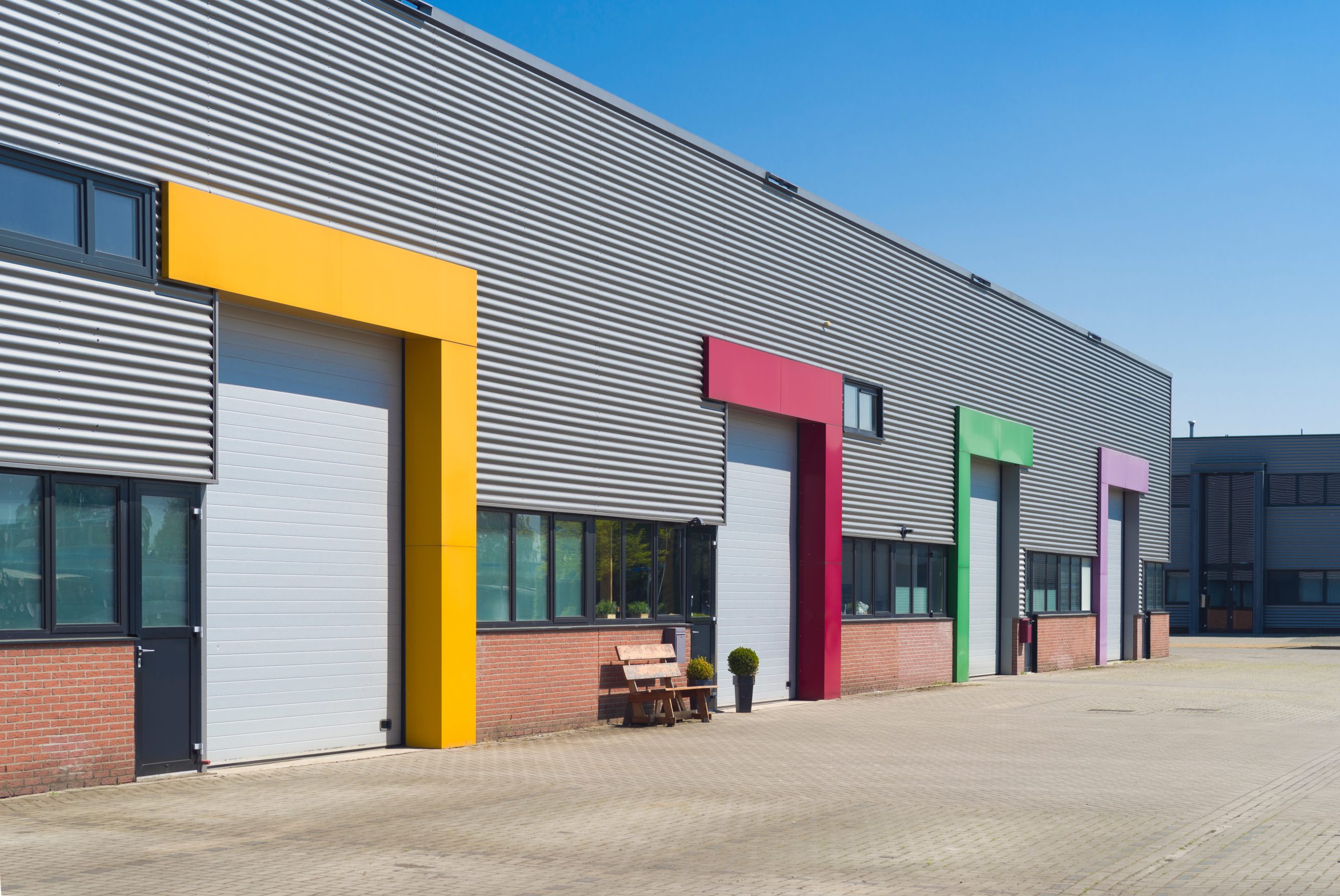
In Norwood, a 120 thousand square foot warehouse on 7 acres went through a sale-leaseback. The seller sought a 5.75 percent cap on a 12-year absolute net lease. Market surveys suggested economic rent was 10 https://rivertgos222.yousher.com/accurate-valuation-for-tax-appeals-commercial-appraisal-services-in-norfolk-county to 15 percent below the proposed contract rent. The appraisal underwrote at market rent and applied a cap rate in the low 6s for single-tenant industrial with credible credit, then tested a yield-based value for the contract rent. The reconciled value leaned on the market rent scenario, and the lender sized to that. The deal still closed with adjusted pricing.
A Braintree community center lost a junior anchor. Ownership budgeted $1.2 million for demising, roof work over the box, and new storefronts. The appraisal modeled an 18-month downtime for half the space and 12 months for the balance, at stabilized inline rents in the mid 20s NNN. The initial yield looked soft, but the grocery anchor had ten years left with percentage rent kickers, and the parking field worked for food and fitness. The cap rate used for the stabilized year was 6.8 percent, with a temporary yield penalty applied through the DCF for the lease-up and capital spend. This alignment between pro forma and market reality kept lender and borrower on the same page.
Property tax assessments and I&E filings
Massachusetts assessors heavily weight the income approach for income-producing property. Many Norfolk County municipalities request annual income and expense statements. If your I&E shows an abnormally high expense ratio due to one-time repairs or vacancy, attach an explanation. During abatement season, a well-supported commercial property appraisal in Norfolk County that ties your property’s NOI to market-supported cap rates and vacancy is more persuasive than blanket appeals. Timing matters: assessments lag the market, and the valuation date often predates your most recent leases. Make sure your appraiser uses the statutory assessment date and clearly separates events before and after it.
Building condition and environmental considerations
Hidden capital can undo a deal or drag a valuation. Roofs in our climate age faster when deferred. Snow loads test structural systems, and freeze-thaw cycles punish parking lots. Older industrial buildings may have lower clear heights and outdated sprinklers that limit tenant choice. On some sites, past use as automotive or light manufacturing raises 21E concerns. If you have a historical use map or any Phase I reports, share them early. A commercial appraiser in Norfolk County will not perform environmental due diligence, but we will reflect known issues and market-standard deductions for remediation or risk premiums in cap rates.
Working with an appraiser: scope, timing, and report type
Engage early. For financing, most institutions require an MAI-designated appraiser or a firm on their approved list. Clarify the scope: do you need a full narrative for lending, a restricted-use report for internal planning, or a retrospective value for tax appeal or litigation? For stabilized assets with clean data, two to three weeks from site visit to report is common. Add time for special-purpose assets, complex lease structures, or entitlements in play.
When you seek commercial appraisal services in Norfolk County, ask how the appraiser sources comparables and whether they will interview town staff or brokers for current context. Appraisal is not an exercise in copying averages. It is judgment applied to verified facts. A good report will state assumptions plainly, cite sources, and show how adjustments were made.
Common mistakes that move values the wrong way
- Treating asking rent as market rent without adjusting for concessions or TI
- Ignoring rollover risk in the next 12 to 24 months when sizing cap rates
- Using sales from dissimilar submarkets without location or time adjustments
- Underestimating capital needed for re-tenanting mid-box or second-generation office
- Overstating mixed-use retail strength based on residential rents rather than foot traffic
Avoid these traps and you reduce surprises during underwriting or review.
Where values may head over the next 12 to 24 months
The easy gains are behind us in industrial, but constrained supply should keep vacancy relatively low. Expect flattish to modest rent growth, with tenants more sensitive to all-in occupancy costs. Office will continue to separate into winners and laggards. Conversions to other uses will be selective, and capital will favor buildings that prove lease-up velocity with the right amenity packages. Retail should hold if it is necessity-driven or at the right corner, while secondary boxes will need realistic rents and sustained capital investment to backfill.
Cap rates will track debt costs and risk perception. If borrowing stabilizes, cap rates could drift sideways with tighter bands for assets that show durable cash flow. The sales market may unfreeze gradually as bid-ask spreads narrow, providing better comps for appraisers and more confidence for lenders. In that environment, commercial property appraisers in Norfolk County will keep weighting the income approach and lean on verified leasing to ground value.
The market rewards specificity. A commercial property appraisal in Norfolk County that accounts for your exact rent roll, your tenant mix, your building’s functional strengths, and the zoning on your block will be more accurate than any rule of thumb. It also becomes a practical roadmap: where to invest, which leases to prioritize, when to consider a refinance, and how to position the property for sale.
Owners who partner with an experienced commercial appraiser in Norfolk County gain more than a number. They gain a tested view of the local dynamics that shape tomorrow’s performance. In a county defined by micro-markets, that edge matters.