Prepare for Site Visits: A Commercial Appraiser Grey County Field Guide
A well run site visit sets the tone for the entire valuation. In Grey County, where one block can shift from historic brick storefronts to light industrial units and then to open fields, preparation saves you time and keeps the appraisal defensible. I have walked rooflines in January with lake effect snow blowing sideways in Owen Sound, traced old service laterals behind a Meaford bakery, and measured a converted barn near Markdale where the main beam still bears a blacksmith’s hammer marks. The constant is this: the better a client prepares, the more precise and timely the results. This field guide explains what to expect, what to assemble, and how local context in Grey County shapes a smooth commercial property appraisal.
What the visit is, and is not
A commercial appraiser’s site time is concentrated fact finding. Expect a structured pass through the exterior and interior, basic dimensional checks, inventory of building systems, photos that document condition and layout, and questions that clarify how the property makes money or could make money. The goal is not to substitute for a building inspection, code review, or environmental assessment. Those professionals dig deeper into components and compliance. An appraiser synthesizes the physical facts with market evidence, zoning permissions, and income performance to estimate value.
That distinction matters when setting expectations with staff or tenants. We will want access to mechanical rooms, roof hatches if safely reachable, and all leased areas. We will not probe behind finished walls or test life safety systems. We need to see, measure, and document, then move to analysis.
The Grey County realities that shape a visit
Across Grey County, property types range widely. Owen Sound has mid rise office and medical, waterfront commercial pockets, and older industrial converted to flex space. Hanover, Durham, and Walkerton serve as regional retail and service nodes. The Town of The Blue Mountains and Thornbury lean into hospitality, food, and boutique retail along with seasonal surges. Meaford and Georgian Bluffs host marine uses, light manufacturing, and storage yards. Southgate and Chatsworth blend agricultural support businesses with highway commercial. This variety makes local nuance more important than any template.
Three local factors often guide how I schedule and run visits:
- Weather and season. Lake effect snowfall and spring thaw complicate exterior inspection. Frozen drifts can hide lot lines and retaining walls. In April, shoulders of rural roads can be soft, and some yards become mud fields. When we plan around this, we capture usable photos and avoid rescheduling.
- Conservation and escarpment layers. The Niagara Escarpment Commission, Grey Sauble Conservation Authority, and Saugeen Valley Conservation Authority overlap many parcels. Even if a building is long established, their maps inform expansion potential, site alteration limits, and floodplain risk. Knowing this ahead of time shapes questions on future plans.
- Servicing patchwork. Municipal water and sewer are not universal. Wells, cisterns, holding tanks, and septic systems are common, especially outside Owen Sound and Hanover. Fire flows and hydrant spacing vary. Three phase power is available in main corridors but is not guaranteed in rural pockets. These factors affect utility of certain uses and perceived risk.
The appraiser’s pass through the property
A typical walkthrough starts curbside, moves around the exterior, then inside from common areas to tenant spaces, finishing with roofs and mechanical rooms if access is safe. I note the site layout, ingress and egress, parking count and quality, signage, loading and turning radius, and any outside storage. I look for frost heave at curbs, cracking patterns in asphalt, ponding at the base of walls, and spalling at loading docks. If there is a retaining wall, I photograph it from both ends and at any weeping tile outlets.
Inside, I trace the circulation path, measure key spans, confirm clear heights, and check the age plate or serial sticker on furnaces, rooftop units, and boilers. Ceiling tiles with tea staining, hairline cracks propagating from lintels, and mismatched floor levels tell stories about past movement or water entry. I count the number of electrical panels, look for manufacturer's labels on transformers, and confirm if three phase power is present. For older mixed use buildings, I watch for knob and tube remnants at higher floors or asbestos wrapped boiler piping near the base of the stack. Appraisal is about evidence, so photos matter. I shoot the panels with amperage visible, the underside of roof decks in warehouses, and the data tags on elevators if present.
In income producing properties, the tenant demising lines and exclusive areas need to reconcile with leases. If a restaurant expanded into a former service corridor, usable area and compliance questions follow. If a storage operator converted cold units to climate controlled, I document insulation, vapor barrier, and HVAC distribution. The aim is to close the gap between paperwork and the physical world.
Documents that unlock a faster valuation
When clients in Grey County gather the right package in advance, the report moves from site visit to draft days faster and with fewer follow up emails. Here is a short pre visit checklist that consistently helps.
- Current rent roll with lease start and expiry dates, options, rent steps, and recoveries.
- Copies of all active leases and amendments, including percentage rent clauses and exclusivity.
- Last two years of operating statements, with utilities broken out and capital expenditures noted.
- A recent survey or site plan that shows building footprints, easements, and parking count.
- Any permits, recent building upgrades, or environmental and fire inspection reports on file.
If a property is owner occupied, operating statements may be informal. In that case, produce utility bills for a full year, a summary of maintenance contracts, and a brief narrative of use, headcount, and typical hours. For new construction or a major retrofit, progress draws and the general contractor’s scope provide reliable clues about capital investment that may not yet show in stabilized net income.
Measurement, areas, and the rent roll that actually fits the walls
Square footage becomes murky in older buildings that saw multiple reconfigurations. A second floor in a Thornbury storefront can have knee walls and dormers that cut into usable area. Warehouse mezzanines are sometimes excluded in rent rolls or counted at a discount rate. If the site visit reveals that stated leasable area differs materially from measured area, we will flag it. That does not kill value, but the narrative needs to reconcile the difference, otherwise readers lose confidence.
If you track areas using BOMA or a similar standard, state which version and how you handle common corridors and mechanical shafts. In small markets like Meaford or Durham, many leases price by the gross number everyone agrees on, with no formal gross up. Consistency still matters. The appraiser can adjust comparable rents to match your basis, but only if the basis is clear.
For industrial and flex, ceiling height and column spacing can trump a raw square foot total. A 16 foot clear space with tight column bays functions very differently than 24 foot clear with a wide grid, even if the footprint matches. Appraisers in this region will often request rack plans or a simple sketch of production layout if heavy manufacturing is in place. Not to pry, just to understand utility.
Zoning, official plans, and conservation overlays
Grey County’s Official Plan and local municipal zoning bylaws guide what the site permits now and what it could permit next. An auto service building in an arterial commercial zone may allow another automotive use, but a brewery or contractor’s yard may be discretionary. A farm support warehouse in Southgate might sit in a rural industrial zone that serves value well, provided haul routes and road allowances suit truck traffic. The Niagara Escarpment Development Control Area adds another layer where it applies. Even if your property has no open applications, provide any correspondence or approvals that shaped the present use.
Conservation authorities matter more than many owners expect. Grey Sauble and Saugeen Valley maps flag floodplains and hazard lands. A marina in Meaford or a riverfront site in Hanover may operate smoothly for decades, yet expansion could be constrained by current flood mapping. For valuation, the https://kylerxnnu459.cavandoragh.org/the-commercial-property-appraisal-grey-county-owners-should-schedule-before-selling point is not to predict policy decisions. It is to gauge how the market views risk and potential. A property with room to add 3,000 square feet of retail in a zone that welcomes it, outside hazard zones, tends to score higher in the income approach than a similar box hemmed in by setbacks and slope stability lines.
When highway access is a selling point, check the Ministry of Transportation of Ontario’s permit history and standards along Highways 6, 10, 21, 26, and 89. Entrance width, turning radii, and stacking influence user fit. I have seen transactions falter because a buyer assumed a second entrance was feasible near a blind curve. An early look at constraints averts surprises.
Services, systems, and code touchpoints
Buyers and lenders ask about real world operability. Does the building maintain heating in winter without full load? Are sprinklers present and tested? Is there a barrier free washroom? Are exit signs illuminated and emergency lights functional? Appraisers do not certify compliance with the Ontario Building Code or fire code, but we watch for signals.
For rural commercial sites, water supply and waste systems deserve clear documentation. A well log or pump curve helps, as do septic pump outs and inspection records. If the restaurant doubled seat count since the septic design, that raises a natural question. In Owen Sound and Hanover, where municipal services are common, provide recent utility bills and any records of line replacement or backflow device testing. For power, identify the service size and whether three phase is available. Hydro One serves much of the county, with local utilities such as Owen Sound Hydro in the city. If a tenant installed a dedicated transformer, capture the agreement.
Roof condition often lives in the footnotes of a deal but materiality is high. A ballasted membrane with ten years left reads differently than a patched built up roof at end of life. If you have a recent roofing report, include it. I will still photograph the roof surface, seams, scuppers, and penetrations, but the report anchors the estimate of remaining service life.
Environmental and site history
Phase I Environmental Site Assessments are common in financing. If you have one less than five years old, share it, along with any Phase II findings or remediation closure letters. Auto uses, dry cleaning history, printing, and metal work deserve extra care. In rural Grey, old fuel oil tanks and farm chemical storage leave traces, even on properties now used for retail or office. Appraisers do not test soils, yet value hinges on perceived risk and the cost time curve for due diligence. A letter that confirms a closed file, even with minor restrictions, usually impacts market perception less than an absence of information.
Outside storage is common at contractor yards and some retail. Photograph it before the visit and note the proportion of the site it uses. Screening, surface treatment, and drainage influence how buyers and municipalities view long term operation. If inventory contains regulated materials, ensure spill kits and containment systems are visible and documented.
Property types that behave differently in Grey County
No two commercial assets in the county appraise the same way, but patterns recur.
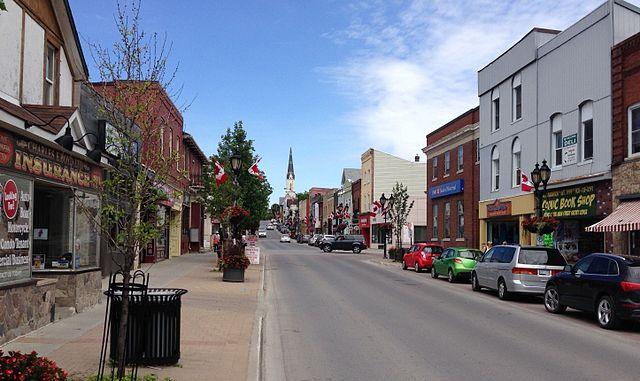
Heritage main street buildings in Owen Sound, Meaford, and Thornbury carry character and layered renovation history. Upper floor residential or office needs confirming measurements and egress routes. Mixed use capitalization often blends apartment metrics with retail strips. Buyers discount for stair-only access at upper floors unless the blend of tenants is strong.
Highway commercial boxes in Hanover or near Markdale command visibility. Value leans on parking, signage, and ease of right-in right-out movements. A former big box divided into multiple tenancies changes the expense profile, especially with separate HVAC units and metering. When discussing rent comparables, be precise about unit size. Small units rent higher per square foot than large anchors, but rollover risk differs.
Industrial and flex in Georgian Bluffs, Southgate, and Chatsworth run on utility. Clear height, power, crane capacity if present, yard depth, and permitted outdoor storage make comparables sensitive. Owner occupiers set some pricing, so income approach must bracket that with care. In recent years, buyers have often priced small bay industrial at yields that sit in a mid to high single digit band, with higher yields in outlying hamlets. The exact number depends on lease quality and building function.

Tourism linked commercial in The Blue Mountains and along the bay sees pronounced seasonality. Restaurants, outfitters, boutique retail, and short term storage for recreational equipment tie to weekend and holiday surges. Appraisers look through a full year of statements to normalize. A strong July means little without context for November and February.
Agri commercial hybrids blur lines. A feed supply store with bulk bins and a small warehouse, or a produce sorting space with a retail counter, needs a capital cost and depreciation view that reflects heavier wear and specialized fit out. If a produce cooler went in last year at a six figure cost, we want that invoice.
Aggregates and pits sit at the edge of commercial, but their support yards, offices, and weigh scales pop up on appraisal desks. Even simple outbuildings and scales carry value when the yard location serves a quarry nearby. Permits and extraction timelines upstream affect downstream yard stability, so share what you can.
Tenants, rights, and the story behind the rent
An accurate rent roll starts with basics then moves to nuance. Clauses on termination, relocation, exclusive use, and co tenancy shape risk. If a grocer anchors a plaza in Hanover with a kick out right tied to store performance, potential buyers care. If a restaurant in Owen Sound has a 5 percent percentage rent over a threshold that it consistently meets, that is worth more than a simple base rent. Provide a short narrative next to each atypical clause so that the appraiser does not misread a landlord friendly or tenant friendly term.
Expense recoveries often confuse first time sellers. Triple net leases pass through taxes, insurance, and common area maintenance. But the devil is in the definition. If you cap management fees at 10 percent of CAM, say so. If you exclude roof replacement from recoveries, that is a landlord cost and it belongs in the pro forma. When the math in your statements matches the leases, the income approach runs cleanly. When it does not, the appraiser will normalize, and the narrative will explain why.
Operating statements that answer questions before they are asked
Well structured statements let an appraiser move from raw data to stabilized net income without guessing. Show gross rent, vacancy and credit loss, other income such as signage or storage, then controllable and non controllable expenses. Break out snow removal, landscaping, waste, maintenance, utilities, insurance, property taxes, management, and reserves. In Grey County, snow removal swings widely year to year. An average across two or three winters paints a fairer picture.
Capital expenditures trip up owners who have run properties for years with sweat equity. Roof replacement, major HVAC swaps, and paving are capital, not operating. But frequent repairs to an old roof that you plan to keep for five more years feel like operating reality. If you bucket these correctly and add a small reserve, lenders and buyers tend to trust the underwriting.
The market lens in a county with thin data
Commercial real estate appraisal in Grey County requires more judgment than in major metros. Sales comparables are fewer and can be sparse for certain asset classes. When a new medical office building trades in Owen Sound, it stands out for years. Appraisers supplement with listings and conditional sales where possible, but these need careful adjustment. Yield evidence often comes from a mix of local trades and nearby counties that share similar town sizes and economic bases. Expect an appraiser to triangulate value using the income approach, the direct comparison approach, and where relevant, the cost approach, then explain how weightings were chosen.
Seasonality also weaves into retail and hospitality analysis. A tidy net operating income in The Blue Mountains still gets tested for volatility. In industrial, vacancy risk depends on bay size and highway access rather than a regional statistic alone. Good commercial property appraisers in Grey County make these local filters explicit so that readers trust the conclusion.
A practical day of visit plan
On the day of the visit, a small set of habits smooths the process. I prefer starting with a quick sit down to confirm the agenda, tenant access sequence, safety notes, and any off limits rooms. In a multi tenant site, I meet the on site manager or a designated escort who holds a master key and knows the quirks, like the back stairwell that sticks in damp weather. Communication with tenants a day or two ahead lowers friction. Few things slow a visit like a locked meter room with nobody available.
A short, tangible packing list keeps everyone aligned. Share this with your site contact and keep a set on hand in the property office.
- Keys for all tenant suites, roof access, mechanical rooms, and exterior service doors.
- High visibility vests and hard hats if any active construction or shipping activity is present.
- Recent utility bills and a printed site plan to mark notes during the walkthrough.
- A ladder for low roof access if safe, with a second person to help stabilize.
- Contact information for any contractors with specialized knowledge, such as the elevator tech or HVAC maintainer.
Keep pets secured. Alert staff if flash photography might occur in sensitive areas. If a tenant is camera shy, the appraiser can frame shots to avoid people while still capturing systems and finishes.

After the visit, the follow through that pays off
Within a day or two, expect a short list of follow ups. These are not stalling tactics. They fill gaps that the photos or quick measurements could not answer on the spot. Typical asks include clarifying a lease clause, confirming the make and model of a rooftop unit that was inaccessible, or sharing the most recent property tax bill now that assessments have updated. A timely reply saves calendar days and keeps lenders or buyers from assuming the worst in the silence.
If anything material changes after the visit, say a tenant gives notice or a roof leak appears during a storm, communicate it. Appraisers can incorporate new facts and keep the valuation relevant. Silence, then a surprise at closing, helps no one.
Common pitfalls and how to steer around them
Two pitfalls repeat. The first is underestimating the significance of limited access. An owner may assume a vacant unit can be skipped because it looks like the neighboring one. The appraiser cannot rely on that. If a mezzanine or a past tenant’s build out was removed, the photos and measures must prove it. The second is assuming informal uses are acceptable forever. Outdoor storage that crept bigger over time or a back room assembly area that grew into light manufacturing might sit well with neighbors, but it can conflict with zoning. The appraisal narrative needs a clear, supportable picture of legality and conformity. Being candid about grey areas lets the appraiser handle them directly, often with limited impact on value when risk is properly framed.
When to call in local expertise
If you plan to refinance, sell, buy, or settle an estate, engage a commercial appraiser in Grey County early. Early does not mean expensive. A quick pre engagement call can surface zoning constraints, identify document gaps, and right size the scope. For complex assets, ask about commercial appraisal services in Grey County that include rent studies, market exposure time analysis, or prospective value for phased projects. For portfolio owners, a cadence of valuations every two or three years creates a benchmark and reduces surprises.
Companies searching for commercial property appraisers in Grey County should look for experience across the county’s towns rather than one niche. An appraiser who has valued main street brick, flex industrial on side roads, and highway retail near Markdale reads patterns better and adapts faster during site work. Ask for examples, not just a generic promise.
How this preparation reads through to value
Preparation does more than speed report delivery. It strengthens the valuation under three lenses. First, it reduces uncertainty, which compresses the range the appraiser must consider. If leases, expenses, and building facts are solid, the income approach carries weight. Second, it clarifies highest and best use. If conservation and zoning constraints are known, the narrative about future potential becomes credible. Third, it improves the reader’s trust. Lenders and buyers in Grey County read local cues. Clean photos of mechanicals, roof surfaces, and electrical panels signal care. A well organized rent roll and operating statement demonstrate professional management.
In a county with diverse assets and thinner market data, those signals matter. They nudge the conversation from doubt to confidence. They do not inflate value beyond the market, but they let the value land where it belongs without discounts for mystery.
Bringing it together
A site visit is the only part of a commercial real estate appraisal in Grey County that the property can control directly. Weather, zoning layers, and market depth are given. Access, documents, and clarity are not. Owners and managers who make time for a clean walkthrough, provide a full rent and expense picture, and share the local backstory help their own cause. Whether you operate a mixed use block on 2nd Avenue East in Owen Sound, a contractor yard near Durham, a boutique strip in Thornbury, or an industrial bay in Southgate, the fundamentals of preparation are the same.
If you need guidance before scheduling, reach out to a commercial appraiser in Grey County and ask for a pre visit checklist tailored to your property type. A thirty minute conversation can prevent a week of emails later. That is the quiet efficiency that pays off when the report lands on a lender’s desk, or when a buyer weighs your asset against the next one down the highway. When commercial appraisal services in Grey County start from a well prepared site visit, everyone down the line benefits, and the value opinion reflects the real strengths of the property rather than the noise around it.