Refinancing Readiness: Commercial Property Appraisal in Oxford County
Refinancing is part math, part market story. Lenders read both. The math speaks through your income, expenses, leases, and debt obligations. The market story comes through the appraisal, a professional opinion of value that anchors the loan amount and terms. In Oxford County, that opinion hinges on local nuance as much as broad market signals. If you plan to refinance a strip plaza in Woodstock, an agri-industrial warehouse near Ingersoll, or a downtown mixed-use building in Tillsonburg, your readiness depends on how well you align those two narratives.
This guide draws on practical experience with commercial real estate appraisal in Oxford County and the way lenders underwrite loans along the Highway 401 corridor. It focuses on how owners can prepare, what appraisers will zero in on, and where small decisions make a measurable impact on the final value.
Oxford County’s market context and why it matters for value
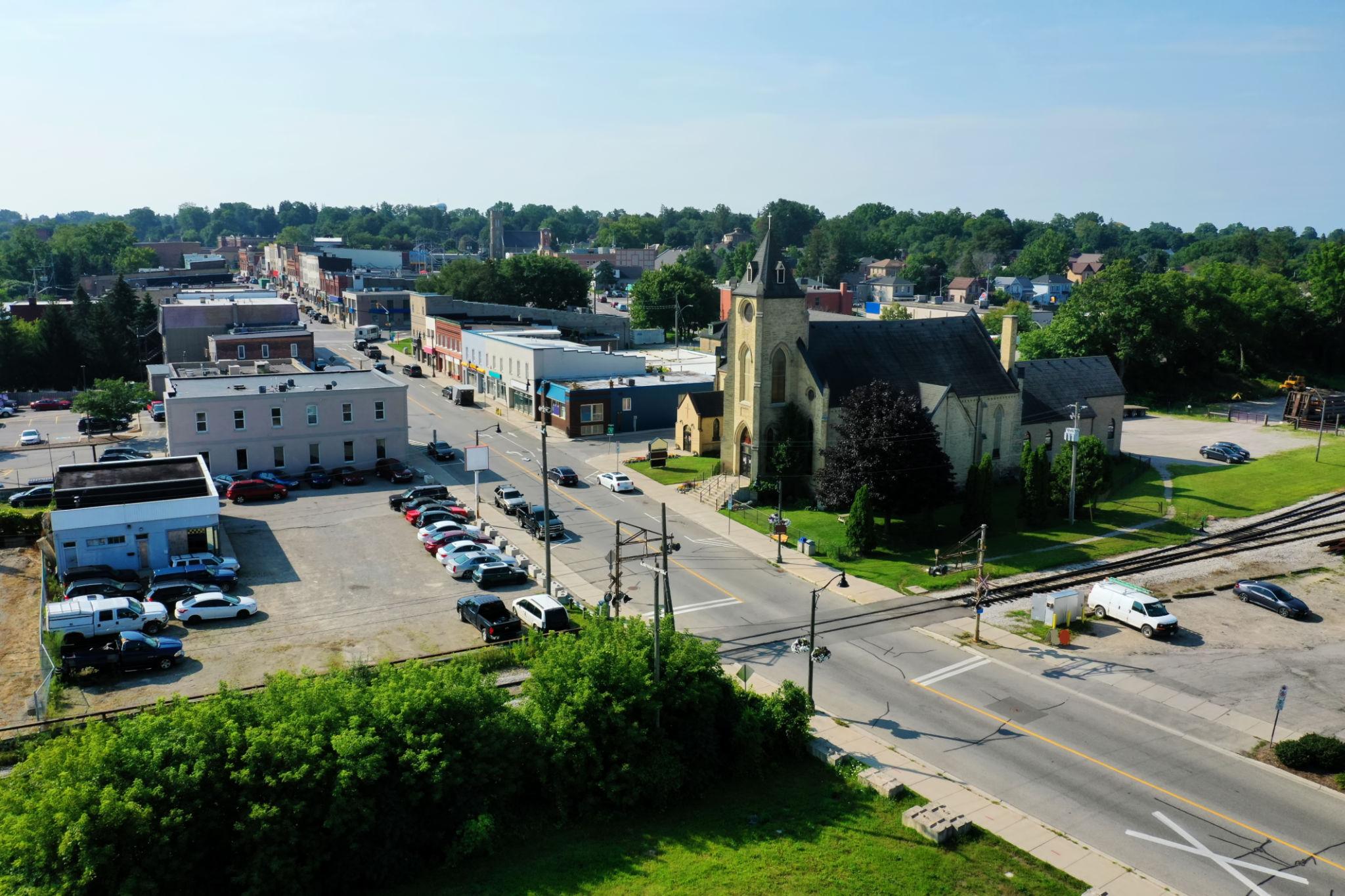
Oxford County sits in a productive pocket of Southwestern Ontario, bracketed by London, Kitchener-Waterloo, and Brantford, with the 401 and 403 carrying a steady stream of logistics and commuter traffic. The Toyota plant in Woodstock has been a stabilizing employer, and the region’s agricultural backbone keeps demand steady for agri-support services, cold storage, and flexible industrial. Meanwhile, downtown main streets across Woodstock, Ingersoll, and Tillsonburg have been evolving: upper floor residential conversions, improved facades, and changing tenant mixes that reflect local spending power rather than national chains.
These threads show up in valuation. Industrial and service commercial assets linked to transportation often enjoy lower vacancy risk and stronger comparable sales. Secondary retail that relies on destination traffic can trend differently than corner convenience or medical tenancies that capture daily needs. Mixed-use assets depend heavily on the residential component’s rent control, unit quality, and turnover cadence.
When a commercial appraiser in Oxford County builds a valuation, this local texture influences every adjustment and assumption. Two properties with similar square footage can diverge sharply in value if one sits within a five minute drive of a 401 interchange and has a cross-dock setup, while the other faces a residential street with limited truck access.
The lender’s appraisal lens during refinancing
Refinancing shifts the appraiser’s emphasis. Unlike acquisition financing, where price expectation can anchor thinking, a refinance looks harder at stabilized income, the predictability of that income, and what a reasonable buyer would pay in the current market. Lenders focus on valuation but also the loan’s coverage ratios. Most common is the debt service coverage ratio, calculated by dividing net operating income by annual debt service. If the DSCR falls short of a lender’s threshold, usually around 1.20 to 1.40 depending on asset and sponsor strength, the loan size will drop even if the appraised value looks healthy.
That interplay creates a practical reality. Owners sometimes fixate on a target value, say 3.5 million. Lenders may look at the appraised value, then size the loan to the lower of a loan to value cap and a DSCR constraint. If your net operating income does not support the requested debt, the effective ceiling is your income, not the appraised value. Understanding that before the appraisal helps you stage your property and documents to show stable, bankable income.
What an Oxford County commercial appraiser evaluates
Regardless of property type, a commercial property appraisal in Oxford County will work through three core approaches, then weight them based on relevance.

-
Income approach. For income producing assets, this usually carries the most weight. The appraiser will examine rent rolls, lease structures, recoveries, vacancy and credit loss, and stabilized expenses. They might use direct capitalization with a market derived cap rate for stabilized properties, and a discounted cash flow model if lease up or uneven cash flows require a multi year view.
-
Sales comparison approach. In a market with a sufficient number of recent, arm’s length trades, comparable sales anchor value. Expect geographic bracketing along the 401 and 403, but appraisers will not hesitate to widen the search for similar risk and utility if local sales are sparse.
-
Cost approach. This checks replacement cost new less depreciation, often useful for special purpose buildings where income data is thin, such as recreational or institutional assets. For standard industrial or retail, it usually acts as a sanity check.
A commercial real estate appraisal in Oxford County must also grapple with sub market distinctions. A flex industrial building at the western edge of Woodstock with clear heights of 24 feet, five percent office finish, and ESFR sprinklers will be valued differently than a 1970s warehouse near downtown with 14 foot clear and limited loading. In retail, medical tenancies and national covenants can compress cap rates compared to mom and pop leases with demolition clauses. In mixed use, residential unit quality and loss factor can swing value more than small differences in net rents.
Cap rates, rent levels, and the band of investment
Owners often ask what cap rate an appraiser will apply. No one number fits all, but most stabilized neighborhood retail and small bay industrial in Oxford County tends to trade in a broad band that, in recent years, has ranged from the mid 5s to the upper 7s, with upward movement during periods of rate tightening. Properties with stronger credit, longer weighted average lease terms, and better physical specs sit at the lower end of that range. Assets with rollover risk, soft tenant covenants, or functional obsolescence push higher.
If you want to make a cap rate argument during a refinance, supply the appraiser with sales and offerings you know, and be ready to discuss why your property’s risk makes it comparable to the better end of the range. A credible argument might pair long term medical tenancies, triple net structures with full recoveries, and recent capital improvements that lower long term costs. Avoid cherry picking. Professional appraisers sort quickly between advocacy and balanced market evidence.
Rent levels deserve equal attention. In several Oxford County retail and office corridors, headline rents rose faster than net effective rents because free rent, fit up contributions, or increased landlord maintenance absorbed the difference. An appraiser adjusts for that by normalizing concessions and projecting stabilized expenses. For industrial, the surge in distribution demand tightened vacancy, but supply responses and financing costs made the picture patchier. If your leases were struck during a temporary peak, the appraiser will consider re leasing risk when the term rolls.
The credibility test: documentation and transparency
Documents tell your story. Sloppy or incomplete files shift the benefit of the doubt against you. That costs value. An experienced commercial appraiser in Oxford County can work with imperfect information, but lenders read credibility into the package quality.
A tight refinance package usually includes:
- A current rent roll with suite numbers, tenant names, lease start and expiry dates, rent escalations, options, recovery structures, and any inducements.
- Trailing 12 month income and expense statements, plus two prior years for context, with reconciliation to bank statements or general ledger if requested.
- Copies of all material leases, amendments, and estoppels if available.
- A capital expenditure schedule for the past 3 to 5 years, including roof, HVAC, paving, and life safety systems.
- A property condition summary and any recent environmental or building code reports.
Hand over everything that might matter, even if you are nervous about a blemish. A well documented weakness lands better than a discovered one. For example, if a tenant fell behind for three months last year but signed a repayment plan and is now current, include the paperwork. That creates a narrative arc that offsets risk.
Timing, inspection, and the appraisal process in practice
From engagement to a final report, a commercial appraisal oxford county assignment typically takes one to three weeks, longer if the property is complex, information comes in batches, or access is limited. The steps are straightforward.
-
Engagement and scope. The appraiser confirms the intended use, property type, level of report, and any special requirements from the lender. In Ontario, most lenders expect a report prepared by an AACI designated appraiser for commercial properties.
-
Inspection. The appraiser will tour the site, measure critical areas where plans are unreliable, photograph key features, and note any physical or locational factors that affect value, such as easements, topography, truck circulation, or adjacency to residential.
-
Data collection and analysis. Leases, rent roll, financials, zoning, tax assessments, and market data are reviewed. The appraiser reaches out to brokers and owners for sales verification and rent comparables when needed.
-
Draft and review. Larger lenders often have internal review teams who will test assumptions and support. Clarifications are common and not a sign of trouble.
-
Final delivery and lender underwriting. The lender underwrites the value and income, then sizes the loan.
You can compress this timeline by organizing access and documents early. Where financing deadlines are tight, some appraisers offer rush service. Be mindful that speed risks missed data, and therefore conservative assumptions.
A tale of two refinances
Two recent scenarios in the county illustrate how preparation and property specifics steer outcomes.
A mixed use building in downtown Woodstock had six residential units above two ground floor retail bays, all fully leased. The owner wanted to pull equity for a new acquisition. Rents were modest but stable, with residential tenants on month to month at below market rates. The appraiser saw secure income yet also identified upside, then weighed current stability vs future potential. Because the refinance was for a conventional lender, the value pinned to the stabilized income using market rent adjustments only where vacant or demonstrably below typical for the unit type. The owner tried to justify a higher value by pointing to a recent sale on the same block. The comparable had fully renovated units, individual HVAC, and separate hydro meters. The subject had older kitchens and combined utilities. The appraiser adjusted accordingly. The final value supported a modest cash out, not the ambitious target. Had the owner completed light renovations before the appraisal and formalized new lease terms with step ups, the stabilized income line would have been stronger and better supported by comps.
On the industrial side, a small bay condo style complex in Ingersoll had staggered lease maturities and a general contractor as the anchor tenant. The sponsor sought fixed rate debt with a five year term. The appraiser applied a lower vacancy allowance due to tight supply of comparable units and gave credit for strong tenant financials, validated by a bank reference letter and summary financials provided by the tenant. Because the owner documented routine roof and parking lot maintenance, the appraiser lowered the structural reserve. These two adjustments nudged net operating income up by a few percentage points and kept the cap rate toward the more favorable end of the range. The valuation comfortably supported the requested loan.
Preparing for a commercial appraisal without over engineering it
You can overspend chasing value. Lenders admire prudence more than flash. Before the appraiser visits, walk the property with a camera and a notebook. Fix what is cheap and visible. Ensure all life safety equipment is current and tagged. Cut the grass, repaint peeling trim, replace broken tiles, and patch potholes. These small items shape first impressions, and first impressions shape the tone of the risk discussion. For bigger items, gather quotes and completion timelines so the appraiser can reflect either completed work or planned work in the analysis.
If any tenancy is atypical, arm the appraiser with context. A long time local business with strong community roots and good payment history is not equivalent to a weak start up, even if both are independent retailers. Provide sales history or financial summaries if the tenant allows. For franchise tenants, supply the franchise agreement extent and whether the landlord has any recourse rights. When available, attach estoppels to settle questions around options and rent steps.
Zoning, legal non conforming uses, and hidden value limits
Oxford County’s municipalities enforce zoning rules that can quietly cap value if your current use is non conforming. A legal non conforming status can be acceptable, but it adds risk. A building used for light industrial in a corridor now zoned for mixed residential and commercial might be allowed to continue, but any expansion could trigger compliance costs. An appraiser will weigh the highest and best use, and if the current use is not the optimal permitted use, the valuation could shift toward redevelopment metrics instead of income capitalization. That is not necessarily bad, but it requires supportable assumptions and a view on timing.
Similarly, easements, encroachments, or shared access agreements can influence value. Do not rely on memory. Pull title documents and surveys. If your loading area relies on a neighbor’s driveway under an old handshake, formalize it. Appraisers cannot ascribe full value to features that rest on informal arrangements that may not survive a sale or refinancing.
Environmental and building systems: prove the risk is managed
For industrial and some retail properties, environmental risk is not hypothetical. If your property had historical automotive uses or sits adjacent to a similar site, a Phase I Environmental Site Assessment can avert lender concerns. Where a Phase I flags potential issues, hire a qualified consultant to scope whether a Phase II is necessary. If past remediation took place, assemble closure letters or certificates of property use. Appraisers recognize managed risk and will differentiate between a site under investigation and a clean site with proof.
Mechanical systems matter too. An older rooftop HVAC with diligent service records and recent compressor replacements tells a different story than identical units with no paperwork. The former points to predictable near term costs. The latter adds uncertainty. Uncertainty widens cap rates.
Pricing, fees, and what to expect from commercial appraisal services in Oxford County
Fees for commercial appraisal services in Oxford County vary by scope and complexity. A straightforward single tenant retail or small industrial building might range from a few thousand dollars for a concise format to higher for a narrative report suitable for institutional lenders. Multi tenant assets, properties with multiple buildings, or assignments requiring a discounted cash flow model typically cost more. Rush fees are common when turnaround is under a week. Ask up front what the lender expects. Some banks maintain approved appraiser lists and minimum report standards. If your lender requires an AACI signatory and a full narrative report, a lower cost desktop or restricted appraisal will not work.
If you are interviewing providers, gauge their grasp of local comparables and their willingness to explain assumptions. A strong commercial appraiser Oxford County owners trust will ask detailed questions about leases, recoveries, and tenant health, not just square footage and rent. They will also be transparent about limitations where market data is thin, and how they intend to bridge gaps with broader regional evidence.
Managing expectations on value when interest rates move
Interest rate cycles ripple through cap rates and investor demand. Rising rates do not translate to one to one increases in cap rates, but they usually exert upward pressure. If https://daltonjbig947.bearsfanteamshop.com/self-storage-and-flex-space-commercial-real-estate-appraisal-oxford-county you last refinanced when five year mortgage money sat below 3 percent and you now face rates that are 200 to 300 basis points higher, expect valuations to feel heavier even with stable income. The appraiser will consider whether market participants have adjusted pricing to maintain spread over financing costs and how quickly rents are growing to offset. In slow growth markets, spreads compress more painfully, which can trim value. You can soften the impact by demonstrating rental growth from renewals or backfilling vacancies ahead of the appraisal.
When to consider a pre appraisal consult
Not every situation requires a full appraisal right away. A quick consult or opinion of value before a refinance can save time and shape strategy. For example, if you plan to negotiate renewals with two tenants who have options at below market rents, an appraiser can quantify the value impact of adjusting those terms before you lock in extensions. Similarly, if you are weighing whether to repave the lot now or after refinancing, a commercial appraiser Oxford County owners regularly use can explain how capital projects will be treated in the income and cap rate assumptions.
The small levers that often move value
A handful of levers show up repeatedly in refinance appraisals and underwriting in this region:
-
Expense normalization. Align your expense categorization with market norms so an appraiser can compare like with like. Breaking out utilities, repairs and maintenance, management, insurance, and property taxes clearly avoids conservative lumping that inflates expenses.
-
Management fee assumptions. If you self manage, appraisers will still insert a market management fee, commonly in the 3 to 5 percent of effective gross income range for small to mid sized properties. Budget for it rather than contest it.
-
Structural reserves. Provide maintenance logs and capital history. Documented proactive spending can reduce the reserve assumption, often set between 0.25 and 0.50 dollars per square foot per year depending on building age and systems.
-
Vacancy and credit loss. Show historical occupancy and tenant payment performance. Strong records justify a vacancy assumption at or near market minimums.
-
Recoveries. Net leases that fully recover common area costs and property taxes lower expense ratios. Supply reconciliation statements to prove recoveries are in place and effective.
None of these items is glamorous, yet each tightens the income line or narrows perceived risk. Together they can add tens of basis points to value.
A note on mixed use and residential controls
Mixed use buildings with residential components fall under provincial rent control rules that influence projected rent growth. If your upper floor apartments command below market rents and are subject to strict controls, the appraiser will treat future growth conservatively unless turnover and capital plans are credible and near term. Conversely, if recent renovations justify above guideline increases or individual metering reduces landlord costs, document those facts. In Oxford County’s towns, well presented apartments in walkable main street locations lease quickly. That stability carries value even without aggressive rent growth, especially when the ground floor retail is service oriented and locally entrenched.
Final readiness run through
A refinance sets the tone for your next few years of ownership. Enter the appraisal ready to show a property that is easy to understand, efficient to operate, and positioned in its market. If you are using commercial appraisal services Oxford County lenders recognize, they will do their part, but your preparation shapes the narrative they can defend.
For owners seeking practical next steps, keep it concise and focused.
- Confirm lender requirements early, including report format, appraiser designation, and delivery timeline, then select a commercial appraiser Oxford County lenders know.
- Assemble a clean rent roll, three years of financials, copies of leases and amendments, and records for capital and maintenance. Fill gaps before engagement.
- Walk the property, address visible defects, and tag all life safety equipment. Provide access to all leased areas and mechanical rooms during inspection.
- Compile market intelligence on relevant comparables and recent renewals. Share context without pushing advocacy.
- Stress test debt service coverage using realistic NOI and lender rates. Adjust expectations if DSCR, not loan to value, is the limiting factor.
Refinancing rewards owners who keep their files sharp, their buildings maintained, and their expectations grounded in evidence. In a county where industrial bays and main street storefronts sit within a short drive of each other, subtle differences in utility, access, and tenant quality loom large. A balanced, well supported commercial property appraisal in Oxford County captures those differences, clarifies the true borrowing capacity, and helps you decide whether now is the right time to reset your debt.