Retail Valuations 101: Commercial Appraisal Haldimand County Best Practices
Retail assets in Haldimand County behave like a small ecosystem tied to local spending, weekend traffic, and regional employment trends. Strip plazas on the edges of Caledonia, main street storefronts in Dunnville, highway commercial pads near Jarvis and Hagersville, and waterfront spots serving Lake Erie visitors do not trade on the same assumptions you might use in Toronto or Hamilton. An accurate commercial real estate appraisal in Haldimand County recognizes the slower lease-up times, the importance of tenant covenant in a thin market, and the seasonal lift that can buoy revenue for a few key months each year.
An experienced commercial appraiser in Haldimand County is not just filling in standard forms. They are judging market depth tenant by tenant, reconciling sparse comparable sales, and weighting stabilized income against localized risks that do not show in a spreadsheet. This guide lays out how professionals approach these files, what owners and lenders should expect, and the practices that tend to produce grounded, defensible values.
What makes Haldimand County retail different
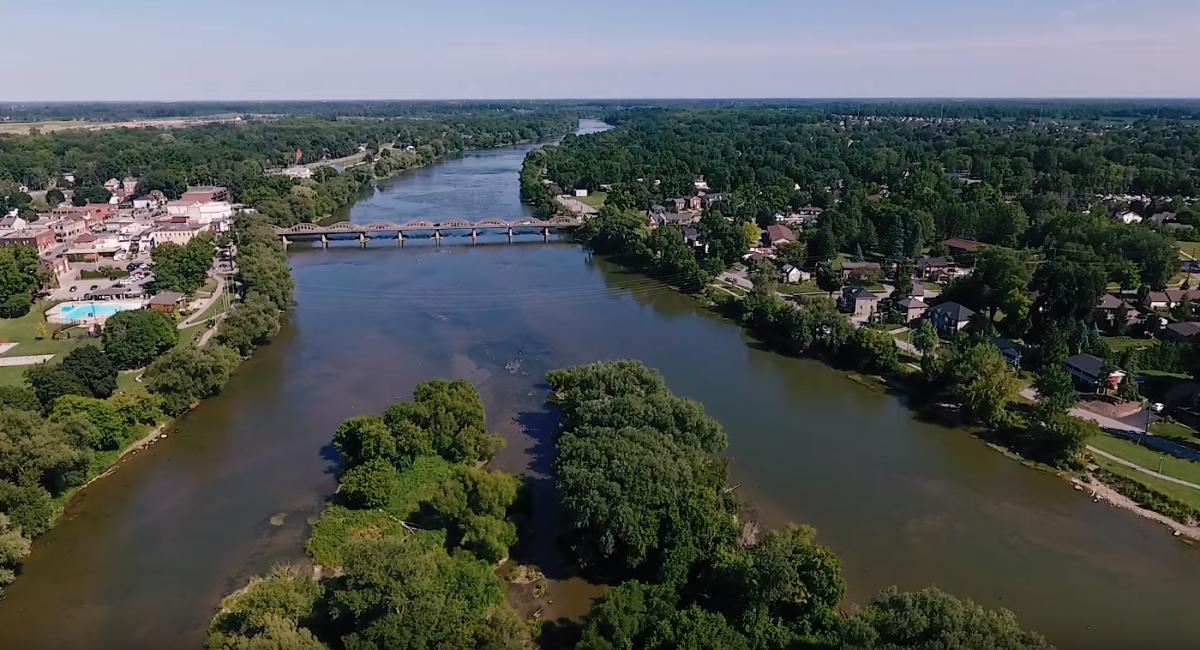
Haldimand sits between larger economic magnets. Hamilton and Brantford pull commuters; Niagara and Norfolk influence tourism and logistics; the Grand River and Lake Erie shape weekend traffic patterns. The county’s towns are modest in population, so a single medical clinic, a national quick-service restaurant, or a strong grocery anchor can tip a center from average to resilient. A vacancy that would fill in two months in Burlington can take six to twelve months in Cayuga unless the rent is keen and the use fits zoning.
Rents tend to be lower than in the Greater Toronto and Hamilton Area core, but operating expenses do not fall in lockstep. Property taxes and insurance can be high on a per square foot basis for small buildings, and snow removal or roof maintenance can hit cash flow hard in a year with freeze-thaw cycles. Traffic counts matter, yet long sightlines and easy turns may trump raw vehicle numbers on highway sites. These local realities pull directly into a commercial property appraisal in Haldimand County, especially for assets with mom-and-pop tenants or specialty uses.
Value levers that matter more here
Three levers usually set the tone for a retail valuation in this county: tenant covenant, adaptability of the space, and exposure.

National or regional covenants stabilize underwriting because the probability of renewal and the ability to backfill on non-renewal are higher. A 2,000 square foot unit occupied by a pharmacy brand on a net lease will value differently than the same unit rented to a local start-up bakery on a gross lease, even before rent is considered. In thin markets, the variance between those two can push cap rates apart by 100 to 200 basis points.
Adaptability means clear spans, standard bay depths, typical frontage, and utility capacity that supports multiple uses. A main street space with an awkward interior stair and limited loading will have a smaller tenant pool and a longer downtime on rollover, which translates into higher vacancy and leasing allowances. Exposure, including corner presence and parking access, shows up in the rent roll. Better units rent first and renew more often, and centers that function smoothly for drivers and pedestrians outperform uneven layouts.
The three approaches and when they lead
Appraisers rely on the income approach, sales comparison approach, and cost approach. In Haldimand County retail, the income approach is usually the lead method for stabilized assets, because buyers and lenders focus on net operating income and yield. The sales comparison approach helps to ground the cap rate and price per square foot metrics, but true apples-to-apples sales are scarce. The cost approach remains useful for new or special-purpose construction where income is not yet stabilized, but for older stock it often provides a ceiling rather than a market indicator due to functional and external obsolescence.
A grocery-anchored center with 95 percent occupancy and seasoned leases will be valued primarily on capitalized stabilized NOI, with cross-checks to regional cap rate evidence. A newly built highway pad with a drive-thru tenant on a 10-year net lease can be bracketed by single-tenant sales from nearby secondary markets, adjusted for traffic counts and growth prospects. An older waterfront retail building with mixed-use components may require heavier cost approach thinking to capture deferred maintenance and layout inefficiencies.
Income approach in practice
The backbone is a credible stabilized income statement. Start with current contract rents, layer in market rent for vacant units, and adjust any off-market leases to a market-supported level if you are aiming for stabilized value instead of a simple going-in yield. In Haldimand County, small-bay market rents for typical CRUs often range in broad bands, for example 14 to 24 dollars per square foot net for main-town locations, and 10 to 18 dollars for peripheral or secondary corridors, depending on size, finish, and exposure. National quick-service pads with drive-thru commands a premium, sometimes into the low 30s per square foot net for the building area, reflecting the land component captured through rent.
Vacancy and collection loss must reflect both structural market vacancy and downtime on rollover. Many appraisers use 4 to 8 percent as a long-run allowance in small Ontario markets, moving higher if a center has chronic turnover or specialized layouts. Leasing costs and free rent are not optional assumptions here. A realistic underwriting might include tenant inducements equal to two to five months of gross rent on a five-year term and leasing commissions in the 4 to 6 percent of total rent range for local tenants. Spread these as annual reserves to avoid overstating stabilized NOI.
Operating expenses are where local knowledge pays off. Snow removal can swing wildly between 0.50 and 1.50 dollars per square foot depending on a winter season. Roof age and type set capital reserves, typically 0.20 to 0.35 dollars per square foot for standard low-slope roofs, higher for older membranes. Insurance escalations over the past few years have hit small retail hard, compressing NOI if leases are not fully net. If the subject has several gross or semi-gross leases, normalize them to a net basis so you can compare to net-leased comps. That means moving costs out of the landlord line items and into an “expense recovery shortfall” line to capture what cannot be passed through.
Once stabilized NOI is set, the cap rate becomes the fulcrum. In Haldimand and similar secondary markets, multi-tenant retail cap rates often print in a neighborhood of roughly mid 6s to mid 8s, with stronger tenants and better locations pushing to the low end and older, vacancy-prone assets to the high end or higher. Single-tenant net lease deals vary widely with covenant and term: a national tenant with 10 years remaining might trade in the mid 5s to low 6s regionally, while a local covenant could require something closer to 7.5 to 9 percent to entice buyers. The point is not the exact number, but the logic linking tenant risk, lease term, and re-leasing friction to yield.
Sales comparison in a thin market
Sales evidence in Haldimand County is lumpy. One year may see two strip plazas sell; the next, none. That does not mean the approach loses value. Widen the radius to Hamilton, Brant, Niagara, and Norfolk to capture similar asset quality, then adjust for location strength, population growth, and tenant base. Be wary of drawing straight lines between an anchored plaza in Ancaster and a neighborhood center in Hagersville. Anchors affect both traffic and co-tenant performance, and the appraisal should reflect the uplift from footfall and cross-shopping that does not exist in non-anchored centers.
Price per square foot is the least reliable metric unless you carefully match asset age, income quality, and condition. A 40-year-old center with a 10 dollar per square foot NOI and a 7.5 percent cap yields 133 dollars per square foot if expenses are in line; a newer center with a 14 dollar NOI at 6.75 percent supports over 200 dollars per square foot. Without NOI context, dollars per square foot can mislead.
Cost approach where it helps, and where it does not
For new construction, the cost approach helps establish a floor. Land values in Haldimand vary by exposure and servicing. A prime highway corner with full services may justify a significant land allocation compared to an interior main street lot. Replacement cost new for a standard retail shell can range widely based on finishes and site works, for instance 200 to 350 dollars per square foot including soft costs in recent years for simple single-storey retail. Site improvements, parking, and stormwater management add noticeably in this county where site grading and drainage can be significant. Depreciation must be honest, especially functional losses such as under-parked sites or constrained loading that new buyers will need to fix or live with.
Where the cost approach falters is in older mixed-use or properties with heavy obsolescence. It often overstates value relative to what income and market participants will support. Still, running the numbers provides a reality check against land-plus-building break-up value for marginal assets.
Lease audits that catch hidden risk
Many retail appraisals underweight what is actually in the leases. A short review misses unusual renewal clauses, caps on expense recoveries, or co-tenancy provisions tied to anchors. In Haldimand County, several small plazas carry a mix of legacy gross leases and newer net leases. Expense stops or a dollar cap on CAM for older tenants can suppress recoveries and permanently trim NOI. If a medical clinic has a cap that sits 1 dollar per square foot below pro-rata CAM, that delta is real leakage.
Watch for use clauses that limit backfilling. A non-competition clause for a specialty grocer can hurt your ability to lease a nearby space to a prepared-foods shop the market wants. Also note assignment rights. If a franchisee fails and the franchisor can walk, the landlord may be left recapturing space without the expected corporate back-stop.
Normalizing operating expenses
Lenders and informed buyers in this region expect to see expenses trued to typical net-lease practice. That means separating controllable CAM from taxes and insurance, breaking out management fees, and excluding one-time items. Management at 3 to 4 percent of effective gross income is common for smaller centers with active oversight needs. Utilities should align with leasable area and metering. When utilities are landlord-paid for common areas, make sure the expense is captured in CAM and that your recovery structure does not leave money on the table.
Property taxes require extra attention. Assessment updates and appeals can swing the line item. Where an appeal is pending, appraisers should model both current and reasonably expected outcomes, weighting based on probability if the assignment calls for market value as at a current effective date.
Environmental and building condition realities
Retail in smaller markets often sits on repurposed sites. Former service stations or properties with historic dry-cleaning operations carry real or perceived contamination risk. Phase I Environmental Site Assessment reports are not paperwork hurdles; they can change cap rate, lender appetite, and even the pool of buyers. A clean Phase I with no recommended Phase II will support a tighter yield spread. A recognized issue with monitoring in place will widen it and may add lender requirements that affect deal certainty.
Building systems tell the rest of the story. Roof age and warranty, HVAC unit vintages, and parking lot condition are high-impact items. In Haldimand’s freeze-thaw cycles, parking lots with poor base preparation degrade quickly. I have seen a plaza lose a leasing opportunity because a national tenant flagged the lot condition as a safety risk, which delayed occupancy by six months. Appraisals should reflect those realities through capital reserves, and they should be specific, not just a generic 0.25 dollars per square foot placeholder.
Seasonality, tourism, and their pricing effect
Properties near the Grand River or serving Lake Erie traffic can see a summer boost. Ice cream shops, bait-and-tackle, patio dining, and weekend convenience retail do better from May through September. The question is how much of that lift translates into sustainable rent. Savvy landlords write leases that spread occupancy costs evenly across the year so cash flow stays predictable. When underwriting, it is appropriate to smooth seasonal gross sales influences unless the lease is percentage-rent driven. For percentage-rent clauses, model trailing revenue carefully and test sensitivity, because a rainy summer or construction on a feeder road can wipe out expected overage.
Data scarcity and choosing comparables
A commercial appraisal in Haldimand County cannot rely on abundant local data. That is not a weakness if handled openly. The best practice is to expand the search to adjacent counties for sales and rent comps, then explain and quantify adjustments. Population growth, average household income, traffic counts, and tenant rosters inform those adjustments. A rent from a comparable unit in west Hamilton might be trimmed 10 to 30 percent when ported to Caledonia depending on location and exposure. Similarly, a sale in Brantford with stronger growth prospects might command a cap rate 50 to 100 basis points tighter than an otherwise similar Haldimand asset.
Explain why you chose each comp, what you adjusted, and how much weight you placed on it. Lenders and investors will forgive distance if the reasoning is sound and the math is transparent.
Working with a commercial appraiser in Haldimand County
Owners sometimes assume an appraiser can deliver a number in a week based on a quick site visit. Good work takes more. Market rent interviews with local brokers, discussions with property managers about downtime, calls to confirm sale details, and a thorough lease audit all feed into the reconciliation. When you hire commercial appraisal services in Haldimand County, ask how they source rent and sale data, which adjacent markets they include in their comp set, and how they handle mixed lease structures.
Familiarity with the County’s Official Plan and zoning by-laws speeds the assignment. So does experience with Ministry of Transportation access rules along provincial highways, because a change in access can alter site utility and value. A firm that regularly completes commercial property appraisal in Haldimand County will know which corridors are improving, where infrastructure projects may alter traffic flow, and which towns are seeing steady small-business formation.
A practical checklist for owners preparing for appraisal
- Current rent roll with lease start and expiry dates, options, inducements, and any caps on recoveries
- Three years of operating statements broken out by category, plus current-year budget
- Copies of all leases and amendments, including any side letters or parking agreements
- Recent capital works list with costs and dates, including roof, HVAC, and paving
- Any environmental, building condition, or fire code reports and correspondence
Having these in order saves days of back-and-forth and reduces the chance of the appraiser making conservative assumptions where documents are missing.
Scope of work, standards, and lender expectations
In Canada, commercial appraisers work under the Canadian Uniform Standards of Professional Appraisal Practice. That standard dictates how scope of work is defined, what disclosures are required, and what constitutes a credible result. For a lender financing a retail asset, the scope typically includes interior inspection of a sample of units, full lease review, market rent analysis, and a reconciliation across approaches. For owner-use opinions, limited-scope work can suffice for planning, but most institutional lenders will not accept a restricted report.

Discuss effective date and intended use before work starts. If you need current market value for refinancing, the analysis should reflect current conditions and active listings. If you are evaluating a purchase with known capital projects, a prospective value upon completion and stabilization may be more appropriate, provided assumptions are explicit.
Cap rates, risk premiums, and what moves them here
It is tempting to default to a single cap rate band for all Haldimand retail. Resist that. Break the risk into components: tenant credit, remaining lease term, market depth for backfill, physical condition, and liquidity risk. In this county, liquidity matters. A plaza that would draw a dozen offers in Cambridge might see two or three serious bidders locally, and the expected days-on-market lengthens. That illiquidity commands a premium.
Conversely, urban-proximate assets in Caledonia along strong corridors have tightened in recent years relative to more rural towns, reflecting spillover demand from Hamilton and the broader Golden Horseshoe. The best valuations I have seen clearly connect these risk factors to the rate, not by jargon, but by specific observations: two national covenants with 7 years remaining, low historical vacancy, modern building systems, and strong parking ratios should compress the yield compared to a tired center with local tenants on month-to-month deals.
Case notes from the field
A few years ago, a small plaza near a river recreation area struggled with winter vacancy. The landlord historically offered month-to-month deals to keep storefronts occupied, which looked fine from a traffic perspective but killed valuation. We worked with the owner to model inducements for three-year terms https://realexmedia84.gumroad.com/ instead, targeting uses that performed in winter, such as a physiotherapy clinic and a pet supply store. Rents rose only modestly, but the improved lease terms and mix lowered the underwriting vacancy and downtime assumptions. Stabilized NOI increased by about 8 percent, which, at a 7.5 percent cap, lifted value meaningfully. The owner later refinanced on better terms.
In another assignment, a single-tenant pad with a local café operator had attractive contract rent but weak covenant. The lender requested a sensitivity run comparing the in-place rent to market rent if the tenant failed at lease midpoint. With a realistic six-month downtime and a 15 percent rent haircut to re-lease, the value dropped by a double-digit percentage at the underwritten yield. That analysis allowed the parties to negotiate a small landlord-funded improvement allowance in exchange for a lease extension and a limited personal guarantee, which improved the risk profile and supported the original loan proceeds.
Timing, fees, and how to keep the process smooth
Turnaround times for a full narrative appraisal in Haldimand County typically run two to three weeks from site access and receipt of documents, longer if environmental issues or complex mixed-use elements exist. Fees vary with scope and complexity. A small single-tenant building on a standard net lease sits at the lower end; a multi-tenant plaza with lease variety, atypical expense recoveries, and pending capital projects will require more time and a higher fee.
Owners and brokers help the timeline by granting early access to leases and operating statements, confirming tenant contact protocols, and flagging any pending changes such as renewals or major repairs. Lenders speed things up by clarifying their reliance requirements, report format preferences, and any special conditions at engagement.
When to order an appraisal and when to get a lighter touch
Not every decision needs a full appraisal. If you are testing whether to acquire a storefront at a given price, a consulting-level market rent and cap rate opinion might answer the question quickly. If you are negotiating a rent reset, a targeted market rent study is faster and cheaper. But if you plan to close financing, bring in partners, or settle estates, a complete commercial appraisal in Haldimand County prepared to CUSPAP standards will save headaches. It creates a common language for IRR models, lender DSCR tests, and partner buy-sell mechanics.
Choosing the right professional
A capable commercial appraiser in Haldimand County should be comfortable talking about tenant pipelines in Caledonia, understanding how a by-law affects a drive-thru stack, and quantifying the difference between a shadow-anchored plaza and an isolated strip. Ask to see anonymized samples of their rent rolls and expense normalizations. Listen for how they discuss cap rate support. Good appraisers walk you through reasoning, not just report sections. Strong commercial appraisal services in Haldimand County also maintain relationships with local brokers and property managers, which improves comp quality and speeds confirmations.
A short set of best practices for a clean process
- Define the intended use, effective date, and required reliance before engagement
- Share full leases, not summaries, and flag unusual clauses or side agreements
- Provide three years of expenses and explain anomalies year by year
- Disclose known issues early, including environmental, access, or structural items
- Stay available for quick clarifications during drafting to avoid conservative placeholders
These habits do not just make life easier. They reduce the conservatism an appraiser must use when information is incomplete and they keep the value tied to real performance rather than cautious assumptions.
The bottom line for Haldimand retail valuation
Retail in this county rewards patient, detail-oriented underwriting. The properties are smaller, the tenant base is local with a handful of regional and national names, and the data is not as plentiful. That places a premium on careful lease audits, honest expense normalization, and a sensible expansion of the comp map into nearby markets. Market participants who respect these realities, whether they are owners, lenders, or brokers, find that valuations are not black boxes. They are structured judgments with traceable inputs and transparent adjustments. When done right, a commercial real estate appraisal in Haldimand County becomes more than a valuation document. It becomes a tool for better leasing strategy, capital planning, and investment decisions.