Top Commercial Appraisal Companies Cambridge Ontario: Selection Checklist for Owners
Choosing the right commercial appraiser in Cambridge, Ontario is not a box-ticking exercise. The value they deliver shapes lending decisions, purchase pricing, tax strategy, partner buyouts, and even litigation outcomes. Cambridge straddles unique submarkets along the 401 corridor, with industrial clusters and older heritage districts in Galt, Hespeler, and Preston. A firm that understands the topography of the Grand River, the influence of Region of Waterloo policy, and the practical realities of tenant covenants in this area can save you months of friction and thousands of dollars.
Owners call for many reasons. A lender requires an AACI-signed narrative for financing. Partners are unwinding a JV. A developer is trying to pencil a covered land play. The situation drives the assignment, but one principle holds across cases: local experience with defensible analysis wins. If you have ever defended a value on a bank review call, you know the difference between a report that merely describes and one that stands up under scrutiny.
What makes Cambridge different
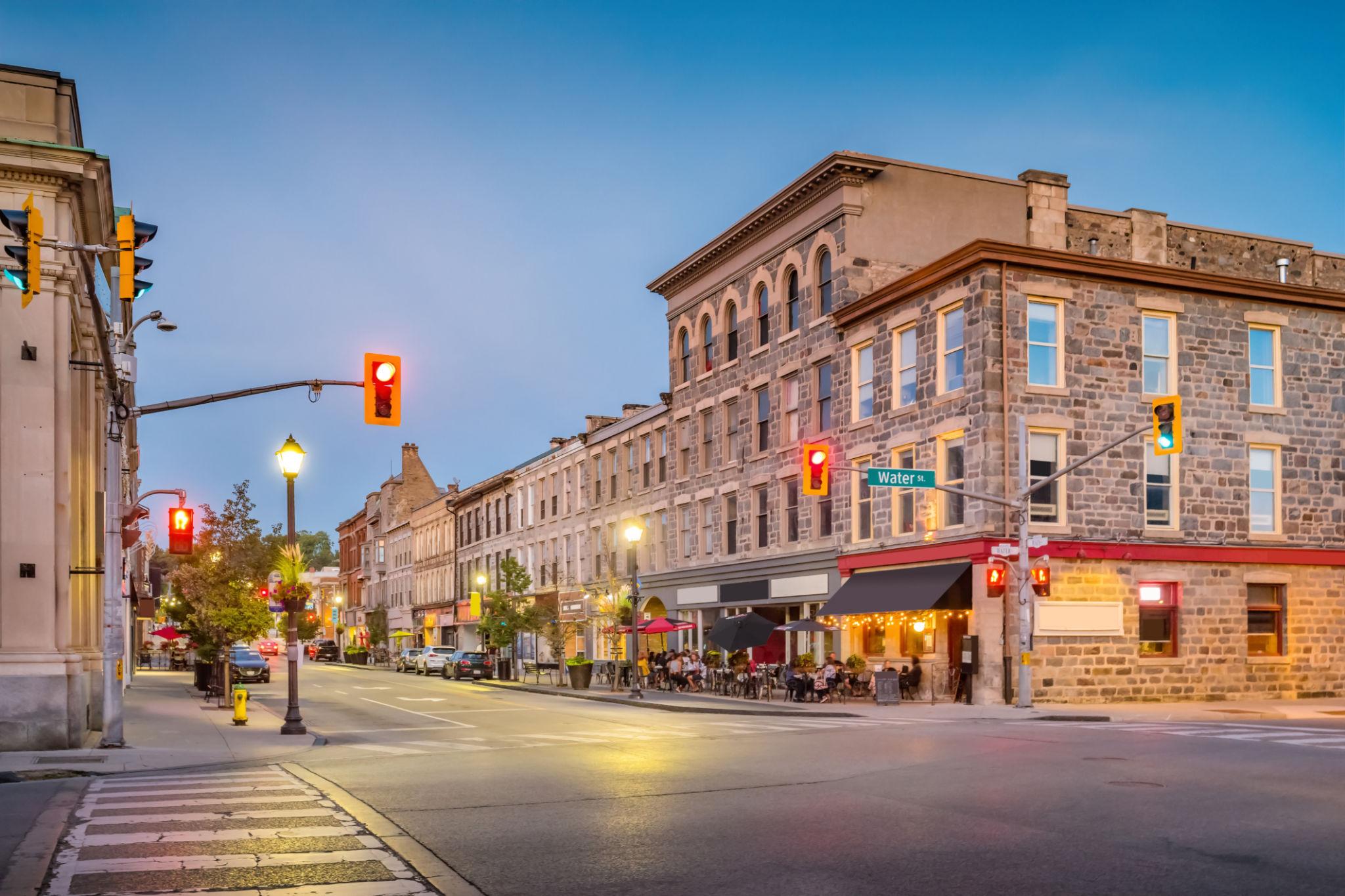
Cambridge is not a monolith. Industrial properties hugging the 401 attract logistics and advanced manufacturing uses, while downtown Galt and Preston carry a mix of brick-and-beam conversions, small retail pads, and older office. The Grand River Conservation Authority’s floodplain mapping affects large swaths of land near the river, which touches site coverage, insurability, and highest and best use. Heritage designations can both enhance and restrict value. Add in the Region’s growth forecasts and transit planning, and comparable selection starts to look different than a pure Kitchener or Guelph read.
The market has also evolved quickly since 2020. Industrial vacancy tightened, then loosened at the margins as new supply delivered. Office terms extended with more landlord inducements. Retail split between grocery-anchored strength and weaker secondary strips. Cap rates and discount rates reflect these movements, but they do not march in lockstep. An appraiser who can unpack how a five-year, triple net lease to a regional covenant at $19 per square foot actually translates into a market-supported stabilized NOI is doing real work, not just stamping a number.
Credentials that matter in Ontario
In Ontario, the Appraisal Institute of Canada governs professional standards. For commercial work, you want an AACI, P.App signing the report. AACI members are trained and certified for income-producing, multi-tenant, industrial, retail, office, development land, and special-use assignments. The CRA designation is geared to residential. Some firms pair an AACI with a candidate member who assists with research and modeling, which is fine, but the signatory should be an AACI.
Reputable commercial appraisal companies in Cambridge, Ontario follow CUSPAP, carry professional liability insurance, and maintain continuing education. Many also align with USPAP when U.S.-based lenders or investors require it. If your assignment may touch court proceedings, ask about the appraiser’s experience as an expert witness and familiarity with the Rules of Civil Procedure.
Report types and when to use them
Commercial building appraisers in Cambridge, Ontario will ask about the intended use of the report before quoting. The scope depends on this.
-
Full narrative appraisal. Typically 60 to 120 pages, built for financing, purchase decisions, litigation, or expropriation. It includes the three classic approaches where applicable, a full site inspection, rent roll analysis, and reconciliations. Most lenders require this.
-
Summary or restricted-use appraisal. Shorter, with limited comparables and condensed analysis. Useful for internal decision-making or updates, but many lenders will not accept it.
-
Appraisal review. A second set of eyes on an existing appraisal, commenting on methodology, comps, and conclusions. Helpful in disputes or when lender review flags issues.
-
Desktop or drive-by. Not suitable for most commercial loans. These can frame a quick internal discussion, but they skip vital inspection detail. If a company tries to sell you this for a serious financing or litigation matter, steer clear.
Expect the firm to propose a scope tailored to your need, not a one-size fits all. The right scope is a sign that the company understands risk.
Methods that anchor a credible value
For commercial property assessment in Cambridge, Ontario in the private sense - not to be confused with municipal assessment - the workhorse approaches remain:
-
Income approach. For leased industrial, office, and retail, this is the backbone. Analysts normalize rents, vacancy, operating costs, and capital expenses. Good appraisers separate contractual NOI from stabilized market NOI, test re-leasing assumptions, and make lease-up or downtime allowances based on actual Cambridge absorption patterns.
-
Direct comparison approach. Sales of truly comparable assets are adjusted for time, location, size, quality, age, tenancy, and conditions of sale. In Cambridge, it is common to reference Kitchener, Waterloo, and Guelph sales with careful location and market depth adjustments when local sales are thin.
-
Cost approach. Useful for newer single-tenant industrial or specialized assets when income or comps are sparse. Replacement cost new less physical, functional, and external obsolescence. External obsolescence often gets missed - the right firm will quantify it, especially in weaker demand pockets or for older office.
A note on cap rates. They shift quarter to quarter. Over the last few years in Waterloo Region, stabilized small-bay industrial might have ranged in the mid 5s to low 7s depending on tenant quality and term, while suburban office trended higher. Exact figures require current market reads. A strong report shows how the concluded rate triangulates from sales, surveys, and the building’s risk profile, rather than plucking a round number.
Data sources a Cambridge professional leans on
Narratives that rely solely on MLS sales or public listings are not enough. Credible firms blend multiple sources: Teranet or GeoWarehouse for verified sales transfers, subscription databases for leasing and sales, private brokerage intel, and their own files. Many will also reference MPAC data for physical characteristics, though MPAC values themselves serve a different purpose than market value. When a commercial land appraiser in Cambridge, Ontario tackles a site, they should cite the Region of Waterloo and City of Cambridge planning frameworks, including zoning by-laws, density permissions, site plan status, and any GRCA constraints.
The best appraisers call leasing agents, landlords, or buyers to confirm transaction details. If they cannot verify a key comparable, they either weight it less or drop it. You will see these calls reflected in addenda or summaries.
Timelines, fees, and things that slow a file
For a straightforward single-tenant industrial or a small strip plaza, a full narrative usually takes two to four weeks from engagement to delivery. Land, multi-tenant office with rolling expiries, or specialty assets can push to four to six weeks. Rushes tighten these windows but invite risk if access, documents, or third-party confirmations lag.
Fees vary. In Cambridge, a typical full narrative for a simple income property often sits in the $3,500 to $7,500 range. Larger or complex assignments - development land assemblies, partial takings, hotel, institutional - can run from $8,000 to $20,000 or more. The spread reflects scope, data difficulty, and required senior time. If you receive a fee that looks too good to be true, it often is. You will pay later in lender pushback or rework.
Files bog down when owners cannot provide clean rent rolls, operating statements, or access to mechanical rooms and roofs. Environmental baggage also slows progress. If a Phase I ESA points to recognized environmental conditions, the appraiser will add assumptions or extraordinary limiting conditions, and some lenders will pause until a Phase II clears the concern.
The owner’s selection checklist
Use this short list when interviewing commercial appraisal companies in Cambridge, Ontario. It focuses on what actually predicts a reliable result.
- AACI, P.App signatory specific to your asset type, with proof of professional liability insurance.
- Demonstrable Cambridge and Waterloo Region experience, evidenced by recent, relevant assignments and lender references who have cleared their reports without major revisions.
- Clear scope of work aligned to your intended use, with a sample table of contents and a timeline that matches lender or partner deadlines.
- Transparent data and methodology, including named data sources, willingness to discuss cap rate derivation, and how they will handle thin comparables.
- Independence and conflict checks in writing, especially if the firm also brokers, manages, or values assets for counter-parties in your deal.
Red flags that should make you pause
Even a polished website can mask weak practice. Watch for these telltales.
- The firm pushes a desktop or restricted-use report for a bank-finance assignment, or avoids committing to an AACI signatory.
- They cannot name a single local lender or law firm that can vouch for their work, or they refuse to provide sample redacted reports.
- Turnaround promises sound unrealistic, like three days for a multi-tenant office, or the fee is far below market without a scope explanation.
- They rely on stale comps from outside the Region, or dismiss the need to analyze tenant covenant strength, inducements, and occupancy costs.
- Engagement letters lack a clear intended user, intended use, extraordinary assumptions, or a conflict-of-interest statement.
How a good appraiser handles Cambridge-specific curveballs
Floodplain constraints can cripple a redevelopment pro forma if they limit footprints or add floodproofing costs. A competent commercial land appraiser in Cambridge, Ontario knows to check GRCA mapping early. One developer I worked with was pricing a mixed-use building near the river. Initial pricing assumed underground parking and four storeys. A quick conversation with an appraiser who had worked that block before flagged flood storage requirements and heritage massing limits. We reworked the plan to at-grade parking with two and a half storeys and a lighter wood frame. The land value supported a deal only after those adjustments. Without that early reality check, we would have tied up capital and wasted six months pursuing an impossible site plan.
Industrial along the 401 raises different issues. Truck courts, clear heights, and trailer parking drive rents and buyer appetite more than cosmetics. A 28-foot clear building with decent column spacing can outperform a prettier 22-foot space with cramped loading. Lenders know this. If a report leans on simple per-square-foot averages without tying rents to functionality, it will not convince anyone in a credit meeting.
Older offices in Preston and Galt pose another challenge. Tenant inducements, free rent, and fit-out allowances are common. A strong appraisal normalizes to net effective rents rather than just face rates. It also recognizes that a 5,000 square foot tenant rolling in eighteen months is not the same risk as a 25,000 square foot anchor rolling in six. The income approach lives or dies on these details.
What to ask during the engagement call
You can learn a lot in ten minutes. Ask which approach they expect to carry the most weight and why. Have them describe how they will source and vet comparables if Cambridge sales are thin that quarter. Request their planned treatment of extraordinary assumptions, like environmental uncertainty or pending site plan approval. If you are buying a leased asset, ask how they will underwrite downtime and leasing costs at rollover. Their answers reveal whether they are just collecting documents or actually thinking through your asset.
Also, discuss lender requirements early. Some banks in Ontario maintain approved appraiser lists. If your lender does, make sure the firm appears there, or obtain a pre-approval from the bank’s valuation group before you sign an engagement letter. Surprises at the end of a process are expensive.
Documents that speed appraisal and reduce noise
Have current rent rolls, leases or at least offers to lease, year-to-date operating statements, the last two full-year statements, property tax bills, utility summaries, site plans, floor plans, and any recent capital works handy. For land, gather zoning letters, servicing reports, preliminary site plans, traffic studies, and any environmental work. Good appraisers will read these closely, not just stick them in the appendix.
On one warehouse refinance, we shortened the process by a week by providing a clean schedule of tenant recoveries that reconciled to audited statements. The appraiser did not have to guess at which costs were non-recoverable or prorated, and the lender’s reviewer had less to question. Clean inputs lead to fewer assumptions and a smoother review.
The line between market value and property tax assessment
Owners sometimes ask if an appraisal will help with property taxes. MPAC sets assessed values for taxation under a mass appraisal system. A custom appraisal for lending or transaction pricing is not the same thing, and the standards and dates of value often differ. That said, a well-researched report that documents market rents and vacancies can inform a tax appeal, especially for underperforming assets. If your intent includes a tax strategy, tell the appraiser. They may tailor parts of the analysis to support the record you will need later, or refer you to a specialist in assessment appeals.
Special asset types demand extra care
Hotels, self storage, automotive dealerships, seniors housing, and places of worship require specialized experience. The income model changes or the market for comparables narrows. A firm that spends most of its time on small plazas may not be right for a flagged hotel with a management agreement or a dealership with manufacturer image requirements. For development land, density, timing, soft costs, and absorption can swing value by millions. Look for a team that has actually modeled phased cash flows and understands the City of Cambridge’s development charges and parkland dedication rules. Ask to see prior land appraisals they have completed in the Region of Waterloo, redacted if necessary.
Independence and conflicts in a small market
Cambridge is connected. The same names appear as buyers, sellers, brokers, and consultants. Your appraiser should disclose any prior work on the property or for the counterparty in your deal. It does not always disqualify them, but you deserve to know. Large brokerage-affiliated valuation shops bring deep data but can present conflicts if their leasing or investment sales teams are also active on your asset. Smaller boutiques may offer cleaner independence but less coverage for very specialized property types. Pick what suits the assignment, and insist on a written conflict check in the engagement letter.
How reconciliation earns its keep
The end of an appraisal, where the appraiser reconciles different approaches and pieces of evidence, is where judgment shows. If the income approach leads, a well-argued reconciliation explains why a direct comparison result sits higher or lower and why the weightings make sense given the subject’s characteristics and market conditions. Look for plain language that walks a reader through the logic. When a value survives a bank’s review, it is usually because the reconciliation eliminated unexplained gaps and addressed obvious questions before they were asked.
Avoiding surprises during lender review
Lenders in Ontario vary. Some have in-house reviewers who know the Region cold. Others rely on checklists. Both will ask about:
- The relationship between in-place and market rents and whether the valuation relies on an unsustainably rosy rent step-up.
- Tenant covenant strength and exposure to tenant concentration risk.
- Capital needs for roofs, HVAC, paving, or code issues, especially on older stock.
- The sensitivity of value to vacancy and cap rate movements.
A report that shows side-by-side sensitivities for NOI and cap rates helps. Even a small chart that shows a 25-basis-point shift in cap rate or a 50-cent change in net rent will guide the discussion. That single page can shave days off a decision when credit wants to see downside protection.
Working with environmental realities
Cambridge has legacy industrial sites. A Phase I ESA is often mandatory, and a Phase II may follow. Appraisers are not environmental engineers, but their value depends on the environmental context. Credible firms carefully state assumptions. They might value a property as if remediated, then make a clear extraordinary assumption and discuss probable remediation costs where public data or reports allow. Lenders accept this when it is transparent and consistent with their policy. You do not want a vague clause that leaves the reader guessing.
Practical preparation tips that pay off
Access matters. If an appraiser cannot see mechanical systems, roof conditions, or loading areas, they will assume conservatively. For land, bring flags or stakes to show boundaries and key features. For multi-tenant assets, coordinate brief tenant suite inspections where possible. A tidy schedule of capital expenditures over the last five years reassures reviewers that deferred maintenance will not ambush cash flow.
On a Cambridge flex building near Pinebush Road, we arranged a one-hour window to tour three representative units and https://zionxoix857.raidersfanteamshop.com/avoiding-common-pitfalls-in-commercial-property-appraisal-across-cambridge-ontario-1 the roof with the property manager present. That single hour answered questions about HVAC ages, mezzanine permits, and power capacity. The final valuation reflected stronger confidence in the rent sustainability, and the lender reduced a holdback they would otherwise have applied.
Where the keywords fit in the real world
When you search for commercial building appraisal Cambridge Ontario or commercial appraisal companies Cambridge Ontario, the results blend national firms and local boutiques. The label matters less than track record on assets like yours. If you are valuing a warehouse or a mixed-use block, you want commercial building appraisers in Cambridge, Ontario who have closed assignments on that exact product type in the last year. If the task is a vacant parcel near a highway interchange, work with commercial land appraisers in Cambridge, Ontario who understand access, services, and development charges, and who will not waste time on sales that look similar on paper but fail on zoning or servicing.
When the assignment straddles income and redevelopment value, a blended approach can capture transitional value. Ask specifically how they will reconcile a going-concern cash flow with a residual land value under a realistic build-out. That is where the art shows, and where lenders and partners will probe.
The bottom line for owners
You hire an appraiser for judgment backed by defensible evidence. In Cambridge, that judgment should reflect the distinct tapestries of Galt, Preston, and Hespeler, the gravitational pull of the 401, and the regulatory touch of the GRCA and the City’s planning rules. Price matters, but a low fee that produces a report your lender will not clear is not a bargain. The time you spend up front verifying credentials, scoping the assignment, and assembling clean documents pays back during review when the phone stays quiet and funding arrives on schedule.
A capable firm will not promise magic. They will tell you where the data is thin, how they plan to fill gaps, and what assumptions sit under the number. They will put an AACI on the signature line, cite real comparables, and speak plainly about risk. That is what separates a credible commercial property assessment in Cambridge, Ontario for business purposes from a generic template. When the stakes are real, choose the team that can carry your story from first call to final approval, with no surprises in between.