Trusted Commercial Appraisal Companies in Grey County
Grey County rewards careful, local valuation work. The geography is varied, the economy is a blend of stable industrial tenants and seasonal tourism, and zoning can change quickly at the edges of growth areas. A reliable commercial appraisal is not a commodity report. It is a piece of professional judgment that recognises what drives rent in downtown Owen Sound versus a light industrial condo near Highway 6 and 10, or why a motel in Meaford behaves unlike a similar key count further inland. When you hire trusted commercial appraisal companies in Grey County, you are paying for that judgment, the data beneath it, and the ability to defend conclusions when a lender, court, or municipal official starts asking hard questions.
What “trusted” actually looks like here
Trust in commercial valuation rests on three legs. The first is designation. In Ontario, commercial work is typically completed and signed by AACI designated appraisers under the Canadian Uniform Standards of Professional Appraisal Practice. The second is coverage. A team that works Grey County week in and week out will have current rent rolls, sale comparables, and municipal contacts that a city based generalist lacks. The third is purpose fit. An appraisal for CMHC insured multi residential financing is not scoped the same way as an expropriation report, and a litigation file for a failed deal on a warehouse in Hanover needs different depth than a quick update for property tax appeal support.
When commercial appraisal companies in Grey County line up all three, your transaction usually moves faster and with fewer surprises. When one leg is weak, problems show later, often at the worst possible time, like credit committee or closing.
How values are built, not guessed
Good appraisers do not start with a number. They start with a question: what is the most probable price, for typical exposure, in a competitive market, on the effective date? Then they test that with multiple lenses.
Income approach. This is the backbone for leased assets, from small strip plazas to medical office condos. The appraiser models market rent, vacancy and credit loss, operating expenses, and capital reserves. The net operating income is then capitalised at a rate that reflects risk and growth expectations in Grey County. In recent years, I have seen cap rates that vary widely by asset, often tighter for newer industrial with strong covenants and wider for specialized or rural fringe buildings. A spread of a few hundred basis points separates a well leased Owen Sound industrial bay from a single tenant flex building on the outskirts that needs a new roof. Those are not arbitrary gaps, they reflect market evidence.
Direct comparison approach. When there are credible, recent sales of similar buildings or land, this approach anchors value. In Grey County, the sample size can be thin for niche properties. That means adjustments carry more weight, such as for building age, site coverage, or whether the sale included vendor take back financing that influenced price. An experienced local appraiser will know which sales looked clean and which were outliers.
Cost approach. For special purpose properties or newer builds, the appraiser may test value by estimating current replacement cost less physical, functional, and external depreciation. It is rarely the headline approach for income producing assets, but it can catch situations where construction cost inflation or obsolescence is driving a wedge between what it costs to build and what the market will pay.
No single approach works for every property. Industrial rows in Hanover lean on income and comparison. A planned mixed use site in Thornbury may lean on residual land value, where https://jsbin.com/?html,output the appraiser models a potential buildout, subtracts development costs and profit, then backs into present land value with a discount rate. The math must be clear enough for a lender to trace the steps, yet flexible enough to reflect local absorption and seasonal patterns.
Grey County’s submarkets, with real frictions
Industrial corridors. Highway 6 and 10 create spillover demand from larger centres. Ceiling height, power, loading, and site circulation make or break value. A 24 foot clear bay with dock level loading rents differently than a low ceiling shop with only grade doors. The former attracts users with larger distribution needs, the latter suits contractors and local fabricators. I have watched nominally similar buildings diverge in value because of a two acre yard that allowed outside storage, a simple feature that doubled the user pool.
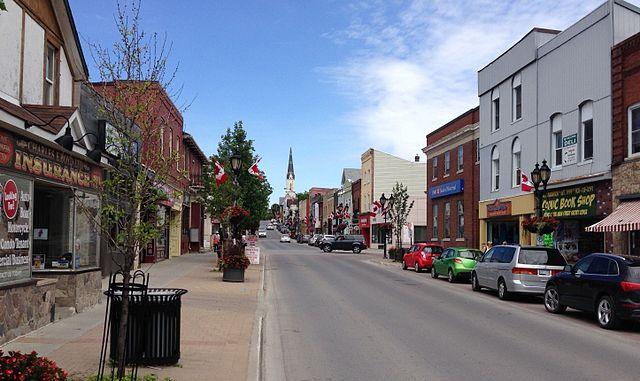
Main street retail and office. Downtown Owen Sound and smaller cores like Hanover and Durham carry a different risk profile than suburban retail pads. Tenant mix, parking, and visibility matter. Offices above retail can be stubborn to lease if stair access is narrow or there is no elevator. Vacancy and inducements pull on value here. A rent roll showing 2 to 3 months of free rent on new deals is not unusual in soft patches, and an appraiser will normalize net effective rent accordingly.
Hospitality and tourism. The Town of the Blue Mountains and waterfront communities see rate and occupancy swings that the average cap rate cannot capture by itself. Seasonality means the appraiser has to average out strong winter and summer weeks with shoulder months, and normalise for owner operated expense lines. Lenders will push for a stabilised, supported net operating income rather than a single banner year during a local festival run.
Ag to commercial transitions. On the edges of serviced areas there is development tension. Agricultural land with a future commercial zoning designation in the official plan will not value like pure farm ground. Yet it is not worth fully serviced commercial land either. Here, zoning certainty, servicing timelines, and development charges influence the residual. A one year path to a site plan agreement is not the same thing as a five year path with uncertain water capacity.
Quarry and resource uses. Grey County has pockets where extraction supports local jobs. These appraisals are their own animal. You are valuing not only land but also permitted reserves, royalty streams, and rehabilitation obligations. If your file touches this world, hire commercial land appraisers in Grey County who have done it before. The wrong scope here invites disputes.
What to look for when you hire
Below is a short checklist you can use when you screen commercial appraisal companies in Grey County.
- AACI signatory with recent, local commercial files of your property type
- Clear scoping letter that names intended use, intended user, and level of report
- Evidence of local market data access, including rent rolls and recent sales, not only MLS
- Realistic timelines and staffing depth to hit your date without shortcuts
- Willingness to discuss assumptions, cap rate logic, and sensitivity on rents or costs
Two minutes with this list tells you whether the firm is simply available or actually qualified.
The process, from call to report
Most commercial building appraisers in Grey County follow a predictable path, but the pacing depends on access, data, and municipal responses.
- Intake and scoping. You describe the property, purpose, and deadlines. The firm issues an engagement letter that sets out fee, level of report, assumptions, and reliance.
- Site inspection. Measure the building, verify construction and systems, photograph, and confirm site features. Tenants may need notice. For land, this can include topography and access checks.
- Data gathering. Rent rolls, leases, operating statements, environmental reports, surveys, and zoning confirmations. For land, add correspondence about servicing and development charges.
- Analysis and reconciliation. Apply the relevant approaches, test scenarios, and weight results. Draft is sometimes shared for factual checks, not to negotiate the number.
- Delivery and follow up. Final PDF with appendices, certifications, and transparent adjustments. Expect clarifying calls from lenders or reviewers.
When the property is complex or the purpose is litigation, insert more time between steps. A simple retail condo on a clean file might turn in two to three weeks. A multi parcel development site with planning risk can stretch to six weeks or more, with most of the time consumed by documents and municipal responses rather than modeling.
Fees and timelines that make sense
Fee quotes are not apples to apples. They track complexity, travel, and risk. A typical commercial building appraisal in Grey County for a single tenant industrial building might land in a mid four figure range. Multi tenant assets, hospitality, or special purpose properties run higher. Land work often looks cheaper on the surface until you realise the level of planning analysis required. If someone quotes a rock bottom price for a difficult file, ask which steps they are skipping. Cheaper can mean a thinner report that a lender will not accept, which costs more in lost time and a second assignment.
Turn times depend on access and data. A file with clear leases, recent operating statements, and a cooperative property manager moves quickly. A file where the appraiser is chasing missing pages, addenda, or a zoning confirmation gets stuck. Clients can shorten the timeline by assembling documents at the start.
The role of purpose in scope and value
Commercial property assessment in Grey County changes shape with purpose. Bank financing demands a report format and depth that a tax appeal might not. Expropriation work may require a before and after analysis, temporary easement impacts, and legal instructions. Family law cases call for a valuation date that might be months or years in the past, with data from that period only. Insurance replacement cost reports deal with physical replacement, not economic value. IFRS or audit support requires clarity on fair value measurement levels and market participant assumptions.
Do not recycle a report from one purpose to another without consulting the appraiser. Intended use and intended user language are not decoration. Relying outside that scope can put you offside with lenders or auditors, and puts the appraiser offside with their standards.
Local data and due diligence you should expect
Trusted firms bring more than a template. They bring contacts and habits that catch issues early.
Zoning and official plan alignment. Grey County and its municipalities have by laws that surprise out of town stakeholders. A contractor yard that looked fine for years may be legal non conforming. An appraiser should confirm present permissions and, for land, test the realistic path to desired zoning. The difference between permitted and proposed use often explains half the gap in value expectations.
Assessment and taxation. Municipal Property Assessment Corporation values are not market value substitutes. They anchor tax loads and can be useful for expense projections, but they do not replace an appraisal. Good reports still reference assessment to test reasonableness on taxes.
Environmental and building systems. Even a desktop review should flag environmental red flags when present. Adjoining uses such as a historical dry cleaner or current autobody shop deserve note. On the building side, roof age, HVAC type, and electrical capacity carry real weight in rent and buyer pools. In snowy pockets of the county, snow load and drainage show up as functional risks when flat roofs age.
Water and septic. In unserviced areas, well and septic systems are not footnotes. They determine functional capacity and sometimes tenant eligibility. If you are buying a restaurant or motel that relies on septic, know that system capacity can cap your revenue.
Access and frontage. Grey County includes rural frontages where sightlines, turning radii, and winter maintenance patterns matter to logistics users. A small tweak to curb cut placement or a setback line can change utility.
Working with lenders and reviewers
Most lenders that finance commercial assets in Grey County maintain their own approved appraiser lists. You can still influence quality by proposing firms you trust and letting the lender issue the engagement. That keeps reliance clear and meets the institution’s internal policies. If your deal involves a credit union or a private lender, ask them whether they need a full narrative report or if a shorter form is acceptable. A report that is too light comes back for expansion. A report that is heavier than necessary wastes time and money.
Expect reviewer questions on rent comparables, cap rate selection, and extraordinary assumptions. Strong commercial building appraisers in Grey County document their comparables with enough detail that a reviewer can see why each one belongs. When they bracket a cap rate range, they show market excerpts, recent trades, and investor commentary. It is normal to discuss sensitivities, for example, what happens if market rent is 5 percent lower or if vacancy sits a point higher. A candid sensitivity table is a feature, not a flaw.
Comparing quotes the smart way
I have seen buyers choose the quickest promise and live to regret it when the lender rejects the report format or the number cannot be defended. Instead, compare on three axes: designation and experience with your asset type, depth of market data, and willingness to be available after delivery. References from local brokers or lawyers help. Ask each firm to name at least two recent Grey County files similar to yours, and what made those files hard. If the answers are generic, keep looking.
When you need land experience specifically
Commercial land appraisers in Grey County earn their fee on files where zoning, servicing, and timing dominate. This includes future commercial corners at highway intersections, retail pads in emerging nodes, and infill sites that require demolition and site work. The appraisal hinges on a grounded pro forma that reflects achievable rents or sale prices, realistic hard and soft costs, and a profit and risk allowance suitable for the market. Underwrite absorption through the lens of local demand. A 50,000 square foot retail build that would lease in a quarter in a major city may require staged leasing over several quarters here. That flow affects residual land value in a direct, measurable way.
For rural commercial uses, land valuation might turn on permitted uses like contractor yards, equipment sales, or agri commercial hybrids. Highest and best use analysis has to test whether the most profitable use is legally permissible, physically possible, and financially feasible now, not merely in an aspirational future.
A short case vignette
A few years back, a client pursued a mid sized warehouse south of Owen Sound. The vendor marketed it aggressively as a pristine investment at a tight cap rate. Rents looked high for the area, and the lease terms included a series of one year renewals with a single tenant that doubled as a related company. A surface level analysis treated those rents as market. A deeper, local view found two true market leases nearby at materially lower rates, with real inducements that had been netted out in the advertised numbers.
The appraiser, hired through a lender, normalised rent to market, adjusted for the short lease tail, and widened the cap rate to reflect the tenant quality. The value came in well below the ask, supported by clear comparables. The buyer renegotiated, then happily owned a building that performed to the underwritten level rather than to a marketing flyer. That is what a trusted appraisal does. It separates enthusiasm from evidence.

Edge cases that test judgment
Owner occupation. Many small industrial and retail purchases in Grey County are for owner use. Lenders still need market rent assumptions to assess debt service coverage. An appraiser who knows the difference between a contractor willing to pay a premium to be near their crew and a tenant who would bolt at that rent makes the file bankable.
Mixed revenue streams. Properties that combine storage, outside yard rental, and a small office tempt owners to overstate income. The appraiser should verify what is legal, what is stable, and what a typical buyer would replicate.
Renovations in progress. Buyers fall in love with plans. Lenders underwrite what exists or what is secured by a fixed price contract and permits. The appraisal must mark the line. A promise to upgrade power to 600 volts is not the same as a paid invoice.
Practical documents to assemble early
The speed and quality of a commercial building appraisal in Grey County correlates with the documents on hand. Collect rent rolls with lease start and expiry dates, copies of all leases and major amendments, trailing twelve month operating statements, current utility costs, surveys or site plans, environmental reports, roof and HVAC service histories, and any correspondence with the municipality on zoning or site plan approvals. For land, add servicing confirmation letters, development charge schedules, and any engineering studies. Every missing piece is a day or two lost to follow up.
When a reappraisal or update makes more sense
Markets move, tenants turn over, and projects evolve. If your last appraisal is recent and the purpose aligns, a letter update can be efficient. Most firms will still need to reconfirm assumptions, refresh comparables, and update market commentary. For substantive changes in tenancy, condition, or scope, expect a new inspection and a full narrative. If financing is being upsized or a new lender is involved, plan for a new engagement regardless of timing. Reliance cannot be assumed.
Why local matters
Commercial appraisal companies in Grey County that spend their weeks on these roads and in these buildings accumulate a mental database. They know which industrial bays leak in a heavy thaw. They remember when a downtown block saw a cluster of rent abatements during a streetscape project. They map which road closures in winter change retail traffic. None of that shows up in a raw dataset. It shows up in adjustments, in cap rate ranges, and in the confidence with which the appraiser defends the number.
Bringing it together
If you need commercial building appraisal in Grey County, set your expectations early. Choose firms with AACI signatories who show recent local work. Confirm that the scope suits your purpose, whether that is financing, purchase support, litigation, or planning. If you are dealing with raw or development land, make sure you are speaking with commercial land appraisers in Grey County who can run a residual and back it with local absorption and cost evidence. Provide full and frank documents. Ask for a brief call on assumptions once the analyst has a handle on the file. Expect the report to state not only a number, but also the reasons that number makes sense in this market.
A good appraisal is not just a gatekeeper for financing. It is a decision tool. It tells you where the risk sits, how the income behaves, and what would have to change to move value in your favour. In a county where one property can see ski traffic on Saturday and a quiet yard on Monday, that insight is worth paying for.