Unlock Property Value with Commercial Appraisers in Dufferin County
Good decisions around commercial property hinge on solid numbers. In Dufferin County, where a single parcel can straddle village services on one side and rural constraints on the other, the right appraisal draws a bright line between assumption and value. Lenders rely on it, buyers and sellers negotiate on it, and municipal approvals often circle back to it. If you are considering a purchase, refinancing an existing asset, or repositioning a site, working with experienced commercial property appraisers in Dufferin County is not just a checkbox, it is leverage.
What makes Dufferin different
Markets are local, and Dufferin County is its own ecosystem. Orangeville, Shelburne, and Grand Valley anchor the retail and service economy, but the minutes it takes to drive from Broadway to a gravel pit in Amaranth or a dairy farm in Melancthon tell you you are appraising more than bricks and mortar. You are reconciling village-serviced properties with private well and septic systems, main street retail with roadside commercial, and emerging industrial condos with traditional owner-occupied shops.
Transportation corridors shape use and value. Highways 9, 10, and 89 funnel trade and commuting patterns. Distribution that once preferred the 400-series highways is now testing smaller bays and last-mile locations if rents pencil out. At the same time, constraints matter. Rural severance policies, conservation authority regulations along creeks and wetlands, and the County Official Plan create a defined playing field. Those lines limit supply, which supports values, but they also limit some of the dream scenarios that out-of-town investors pencil on the back of a napkin.
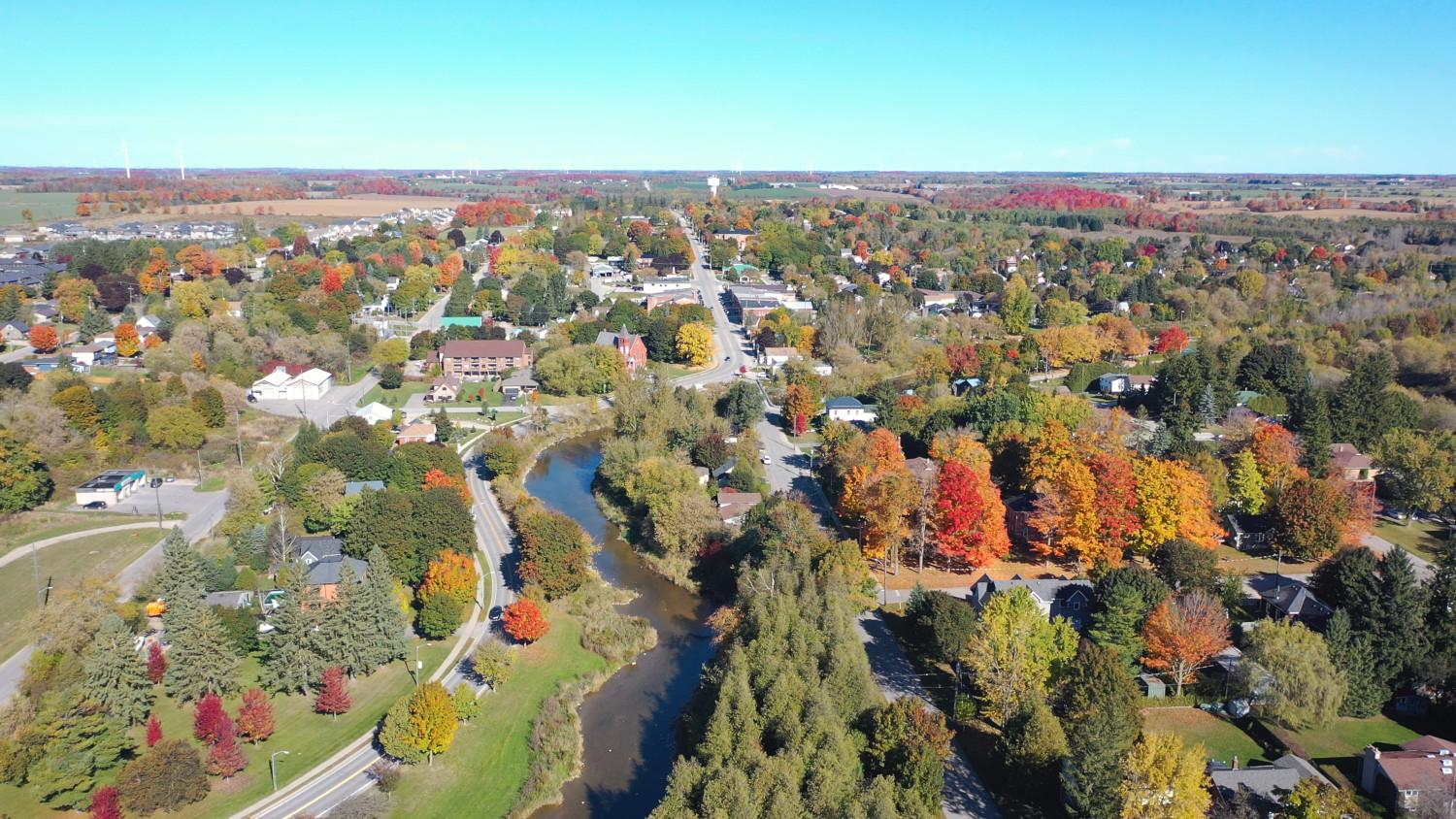
Agriculture remains a major land use, and it shows up in commercial appraisal work more than many assume. Equipment dealers, grain handling, farm-supply retail, and quarries or aggregate transfer sites rely on rural parcels. Utility-scale wind turbines in Melancthon and adjacent areas introduced long-term lease income to some farms, which changes how an appraiser thinks about highest and best use and income streams. In short, the data set ranges from downtown storefront rents to gravel royalties. That mix is why a commercial appraiser in Dufferin County spends nearly as much time on zoning maps and well records as on cap rates.
Where value hides and where it erodes
The number on the last trade is not the number on your property. Two properties a block apart on Broadway can diverge by seven figures over a few quiet https://andremctf969.almoheet-travel.com/market-trends-impacting-commercial-building-appraisal-in-dufferin-county line items: parking ratios, accessibility upgrades, roof age, and the fine print in a franchise lease. In Shelburne, a simple question about whether a unit’s mezzanine has a permit sometimes swings marketability like a gate. Out in Mono or Mulmur, the difference between a 5,000-gallon and a 10,000-gallon septic tank determines occupancy loads, which determines the rent you can charge to a food-service tenant. A credible commercial real estate appraisal in Dufferin County captures these frictions.
I still think about a sale that stalled in Grand Valley because the seller touted “development-ready” status. The land fronted on a paved road and sat next to services, but the road capacity study had not been updated and a downstream culvert upgrade tied to site plan approval added six figures and a season of delay. A thoughtful appraisal does not simply fill a template, it traces those approvals, flags cost-to-cure items, and adjusts the effective value accordingly.
How appraisers build the number
At the core, any commercial property appraisal in Dufferin County depends on three methods, with judgment deciding the weight each receives.
The direct comparison approach is the workhorse for small-bay industrial, owner-occupied shops, and simple retail strata. It depends on a fresh set of local sales and a willingness to read beyond the headline price. An appraiser will adjust for quality of construction, lot size and surplus land, ceiling height, loading, and legal non-conformity. In communities with thin sales volume, the adjustments matter more than the comps themselves.
The income approach sets value by capitalizing net operating income or discounting cash flow. This method drives lender decisions for multi-tenant plazas, single-tenant net-lease assets, and mixed-use properties with stable occupancy. Cap rates in smaller Ontario markets have been volatile in recent years, moving with interest rates and risk sentiment. Rather than pretending to precision, a credible report will bracket value, show sensitivity to a 25 to 50 basis-point swing, and defend chosen rents with local evidence. In Orangeville and Shelburne, small plaza cap rates have often cleared in the mid to high 6 percent range when leases are strong and roofs are young, sliding into the 7s and sometimes 8s for older, management-intensive stock. The exact figure rests on tenant quality, term remaining, and recoverability of expenses.
The cost approach sits in the background until it becomes decisive. Specialty assets such as cold storage, automotive service with environmental controls, or purpose-built medical space often demand a replacement-cost lens. In rural areas, where comparable sales are sparse and functional obsolescence can be stark, the cost approach grounds the valuation and forces a clear-eyed look at depreciation. It is also the safety valve when a component is new, say a 2023 addition, and market evidence has not yet priced it in.
Highest and best use threads through all three. Is the existing use legal and physically possible, financially feasible, and maximally productive under current zoning and practical constraints? A converted farmhouse office on the edge of town may fetch a premium from an owner-user, but if the land supports a larger commercial building under zoning and servicing, a developer’s lens could lift the value. Conversely, conservation setbacks or servicing limits can cap that upside.
A straightforward appraisal process
Appraisers work in a loop, not a line. Still, it helps clients to see the steps up front.
- Engagement and scope: confirm purpose, lender or court requirements, property type, and delivery timeline. Clarify if a narrative report, a shorter restricted-use report, or a review is needed.
- Due diligence: collect documents, verify zoning and legal descriptions, and schedule a site visit. Align on access to mechanical rooms, roof, and any leased areas.
- Site inspection: measure, photograph, and note building systems, finishes, and site improvements. Interview tenants as appropriate, always within lease constraints.
- Analysis and reconciliation: build the three approaches as applicable, weighting evidence, testing sensitivity, and drafting risk commentary.
- Reporting and follow-up: deliver the report, address lender questions, and, if useful, walk through a range analysis to show how key assumptions move value.
Turnaround times vary with complexity. A single-tenant roadside commercial building with clear leases and recent sales in the area might be appraised in two weeks. A multi-tenant plaza with dated leases, missing estoppels, and pending zoning changes can take a month or more. If an environmental report is pending, expect pauses.
What local lenders watch
Most financing in the region flows through national and regional banks, credit unions, and some private lenders. Underwriters tend to fixate on three themes: income quality, marketability, and risks that sit outside the spreadsheet.
Income quality looks beyond base rent to indexation, options, and recoveries. A ten-year lease at an above-market rate with no indexation and an assignment to a thinly capitalized franchisee reads differently than a five-year lease at market rents to a regional covenant with percentage rent on top. Recoverability matters. In older buildings with inconsistent demising walls and a single meter, common area maintenance allocations can be aspirational. Real recoveries, backed by statements, earn credibility.
Marketability is code for how fast the asset would trade at a fair price if the lender needed to step in. Properties on arterial roads with clear access, visible signage, and a standard set of tenancies will comfort a lender more than a unique building on a narrow rural road, even if the income is similar. That bias shows up in cap rates and loan-to-value ratios.
Outside-the-spreadsheet risks include environmental exposure, building condition, and municipal compliance. A Phase I environmental site assessment with no material concerns can be the difference between a conventional mortgage and a haircut from a risk committee. In rural properties, water potability, well yield, and septic capacity are not side notes. They headline the risk section.
Case notes from the field
On Orangeville’s main drag, a two-storey mixed-use building with three residential units above and a ground-floor restaurant presented as tidy and stabilized. The first pass at value, using the income approach, landed in the mid 6 percent cap rate range. Two details nudged the final number. The restaurant’s grease interceptor was undersized for the seat count, and the rear stairs to the apartments had a rise-run issue that the fire inspector flagged in a previous order. The appraiser adjusted reserves for replacements and cost-to-cure, and the reconciled value slipped by low single digits, which was enough to make the buyer reach for a price adjustment. Without a careful site review, those items would have surfaced after closing, when remedies are more expensive.
In Shelburne, a small industrial condo unit traded twice in five years. The first sale priced below what the raw income justified, largely because the mezzanine storage was not permitted, ceiling height was tight by modern standards, and power capacity limited the pool of buyers. The second sale followed a set of upgrades: engineered mezzanine with permit, LED lighting, and a service upgrade. The appraiser adjusted functional utility upward and used a fresher set of local comps rather than importing GTA data that would have overstated demand. The value rise exceeded the cost of upgrades, but not by double. That is a sober, real-world ratio in secondary markets.
Outside Grand Valley, a contractor yard with a small office sat on a rural parcel with an older fuel tank, removed but documented only by a single receipt. The lender asked for a Phase I. The report recommended no further action but noted limited records on the removal. The appraiser carved in a modest risk premium to the cap rate and flagged resale considerations. The deal still worked, but both sides understood the path to market if they ever needed to sell.
Data that moves the dial
Local rent and yield evidence matter more than national headlines. For small-bay industrial in and around Orangeville and Shelburne, asking rents in recent leasing have commonly clustered in a band that reflects clear-height, unit size, and power availability. Smaller units with 14 to 16 foot clearance often achieve a higher per-square-foot rate than larger bays with 20 feet, a reverse of big-city logic. Retail on Broadway with strong pedestrian traffic can hold firm, while secondary locations rely on parking and co-tenancy.
Cap rates widen in thin markets because investors price liquidity. A safe way to set expectations is to think in ranges. Strong single-tenant net leases to national covenants with long terms sometimes clear in the low to mid 6s, particularly if the location is prime and the building is new or newly renovated. Older multi-tenant assets with rolling leases, non-recoverable expenses, and modest tenant quality often fall in the high 6s to mid 7s. Specialty properties or those with perceived risk can see 8s. Interest rates, bond yields, and lender appetite shift these brackets, and an appraiser should show what happens to value if the cap rate moves 25 or 50 basis points.
Development land is its own language. Price per buildable square foot is increasingly used in town boundaries, while price per acre still dominates rural parcels. Servicing status, frontage, and topography drive adjustments. Infill sites inside Orangeville that can connect to municipal services carry a premium over edge-of-town parcels that rely on phased servicing plans. In Shelburne, fast population growth in recent years tempted some sellers to price land as if approvals were a formality. Appraisals that actually cross-check the servicing allocation, traffic improvements, and parkland dedication rates keep deals grounded.
What to have ready for your appraiser
The fastest way to unlock value is to reduce uncertainty. Appraisers are trained to deal with gaps, but every missing document pushes them toward caution. Bring clarity to the file and the number tends to follow.
- Rent roll, leases, and any amendments: include schedules for base rent, additional rent, options, and rent abatements.
- Operating statements: at least two to three years if available, with a current year-to-date. Flag any one-time expenses or landlord works in lieu of tenant allowances.
- Building information: roof age and type, HVAC age and service records, electrical service size, permits for additions or mezzanines.
- Municipal and environmental: zoning letter if you have one, site plan agreement, any orders to comply, Phase I or II reports, well and septic records if rural.
A short cover note that explains what you are trying to do, be it refinance, estate planning, or a sale, helps the appraiser prioritize the angles that matter most to your decision.
Regulatory and approval realities
Zoning in Dufferin is a patchwork across local municipalities, with County oversight on big-picture planning. What is permitted outright in a general commercial zone in Orangeville may require a minor variance in Mono. Conservation authorities weigh in on floodplains, erosion hazards, and wetlands. Those overlays can curtail expansions, restrict outdoor storage, or force setbacks that reduce buildable area. If you are appraising a site with expansion potential, insist that the report address these overlays explicitly.
Site plan control can add months, not weeks, to a timeline, especially where road widening, turning lanes, or stormwater design require coordination. Development charges vary and can change during a long approval. A cautious appraiser will either cost those items or temper land value accordingly. For retail and food service, parking ratios remain a hard governor. A property that caters to service retail with high parking demand will face a different rent ceiling than a professional office with shared peak hours.
Building condition and environmental factors
Older building stock in town centers carries charm and headaches in equal measure. Brick facades hide moisture issues, and a basement built for storage can look like usable space until a building inspector points you back to the Ontario Building Code. Electrical systems evolve in layers. An appraiser who scans panels and calls out fuses, aluminum wiring, or patchwork additions is not nitpicking, they are protecting the deal from a painful surprise during underwriting.
In rural settings, private services drive occupancy and lender appetite. A well with limited yield or water quality issues reduces the pool of tenants and raises costs for the owner. Septic systems with unknown age or size get conservative treatment, particularly if the current tenant mix underutilizes capacity. Aggregate or former fuel uses bring environmental complexity. Phase I reports are common sense, not red tape, and a clean file becomes an asset in its own right.
Choosing the right commercial appraiser in Dufferin County
Local fluency is not optional. The best commercial property appraisers in Dufferin County keep their own databases of leases and sales, but more importantly, they know which comparables to discard. A steel-frame box that rents quickly in Caledon might sit longer in a Dufferin hamlet unless the tenant base aligns. A report that leans too heavily on non-local evidence risks mispricing value and slowing the lender’s approval.
When interviewing a commercial appraiser in Dufferin County, ask about recent assignments that mirror your asset type and municipality. A generalist can be competent, but a recent Orangeville mixed-use, a Shelburne industrial condo, or a rural commercial yard near Amaranth on the appraiser’s desk tells you they are tuned to the right frequencies. Turnaround time and cost matter, but clarity on methodology and lender acceptance list matters more. If your bank has a short list, start there. Most good appraisers are happy to walk you through their draft assumptions before they finalize, which helps you correct any factual gaps.
A practical prep path that pays off
You do not need to overhaul a property before an appraisal, but targeted fixes carry weight. A fresh TSSA certification for a gas furnace, a patch-and-seal on a flat roof that had ponding, or an ESA Phase I that closes the book on a minor concern are not cosmetic. They remove specific risk premiums that otherwise sit within the cap rate or in the appraiser’s commentary. For tenant-heavy properties, current estoppels and arrears reports save time. For owner-occupied buildings, a simple letter that confirms intended use, staffing, and any planned alterations helps the appraiser sort highest and best use without guesswork.
When to order an appraisal
Timing changes the result. Order too early, and key documents are not ready. Order too late, and you rush a complex assignment. Two common windows work best: just after an accepted offer when due diligence begins, and four to six weeks before a refinance maturity. In both cases, socializing the scope with the lender or the buyer’s solicitor reduces back-and-forth. If there is a trigger event like a partnership buyout, consider a restricted-use report for initial negotiations, then expand to a full narrative once the rough edges of the deal shape up.
How commercial appraisal services in Dufferin County support strategy
An appraisal is not only for transactions. Owners use them to plan capital improvements, set lease renewals, and decide whether to subdivide or consolidate units. Municipalities sometimes ask for them in support of community improvement plans or property tax appeals. Lenders rely on them to set covenants. Each purpose shifts emphasis. Lease renewal support calls for a deeper rent study. A tax appeal depends on assessed versus market value, which is its own discipline. Choose an appraiser comfortable with the exact use case, not just the asset.
Commercial appraisal services in Dufferin County also include feasibility analysis. For a client looking to add a small addition to a roadside commercial building, a back-of-envelope pro forma with realistic rent, construction cost ranges, and soft costs informed a go or no-go call. It was not a full development appraisal, but it kept the numbers honest. In a region where trades are busy and approvals take time, the carry costs alone can turn a marginal idea into a money sink. A seasoned appraiser spots these traps because they have seen them play out.
Bringing it together
Property value is a moving target, but with the right guide, it becomes navigable. A commercial real estate appraisal in Dufferin County that respects local evidence, tests sensitivities, and surfaces practical risks does more than satisfy a lender. It sets the table for better negotiations, cleaner closings, and fewer surprises. Whether you are acquiring a small plaza in Orangeville, refinancing an industrial condo in Shelburne, or weighing a rural commercial expansion near Mono, invest in local expertise. The difference between a generic report and a grounded one is not just the fee. It is the spread between a hopeful price and a defendable value, and in this market, that spread makes or breaks the deal.