Unlocking Development Potential with Commercial Land Appraisers in Brant County
Brant County sits at a practical crossroads. Highway 403 clips the northern edge, Hamilton and the Waterloo Region are under an hour away, and the Grand River threads through towns that still feel like towns: Paris, St. George, Burford, and smaller settlements in between. Developers like the mix, lenders appreciate the depth of the regional economy, and owner occupiers find room to grow without the Toronto price tag. The challenge, as always, is separating a promising idea from a sound investment.
That is where experienced commercial land appraisers in Brant County earn their keep. A credible valuation does much more than price a tract of land or a warehouse shell. It defines feasible density, clarifies risks tied to planning and servicing, frames negotiations, and tells a bank the project can stand on its own legs. When done well, a report can shave months off a deal timeline by aligning expectations early. When done poorly, it can tangle a file in redlines and rework.
The landscape an appraiser sees in Brant County
Appraisers start with context. Brant County has a diverse commercial base: agribusiness and food processing, small to midsize industrial, highway commercial at interchanges, aggregate operations, and infill conversions tied to Paris and St. George’s growth. Servicing is patchy. Some parcels have water, sanitary, and natural gas at the lot line; others lean on private wells and septic. The Grand River Conservation Authority regulates floodplains and hazard lands, and their mapping can change highest and best use in a single stroke. Zoning and policy flow from the County’s Official Plan and Zoning By-law, anchored by the Provincial Policy Statement. The Growth Plan influences regional pressures, even if interpretations differ on exact boundaries, and every project lives under a tight labour and materials market that swings construction costs quarter to quarter.
A commercial appraiser in this setting will not limit analysis to the subject site. They will triangulate with nearby markets that share buyers and tenants. Evidence often comes from Brantford, Hamilton’s outskirts, Cambridge, and Kitchener, filtered for differences in exposure, building quality, and lease covenants. A clean cap rate from an industrial condo sale in Ancaster does not plug directly into a single-tenant tilt-up in Burford, but it can inform a reasonable range once you adjust for location and tenant risk.
What commercial land appraisers actually do
A good report is a narrative with numbers. It answers five questions for any stakeholder, whether a lender, investor, or municipal staffer reviewing a pro forma:
- What can you actually build here under current policy, and what might be supportable through rezoning or a minor variance?
- What will it cost to create the finished product the market wants, including hard costs, soft costs, fees, and a rational developer’s profit?
- What stabilized income can the asset earn based on realistic lease rates and vacancy, and how does that translate to a capitalized value or income-based price?
- What is the market paying today for similar land or completed buildings, and how do those transactions differ from the subject?
- Where are the traps that could delay or derail the project, and what is their price tag if they materialize?
Commercial land appraisers in Brant County cover growth nodes at 403 interchanges, rural highway strips, in-town infill lots with odd shapes, and larger farm parcels with development aspirations. On any given week, their docket might include a surplus industrial yard in St. George, a multi-tenant conversion in Paris’s older stock, and an application for a truck parking facility on former agricultural land.
When the assignment shifts from land to improvements, the focus tightens. Commercial building appraisers in Brant County inspect roof assemblies, slab condition, loading configuration, clear height, HVAC, office finish ratio, fire separations, and code compliance. They read leases closely, especially escalation clauses, options to renew, capital expense responsibilities, and any unusual allowances that overstate effective rent. Lenders understand that an extra 50 basis points on a cap rate can erase a chunk of appraised value, so they expect the rent roll and market survey to be defended, not assumed.
Valuation approaches that actually move deals forward
The standard valuation approaches do not change by county, but the weighting does.
Direct comparison is the backbone for land. You start with sales of similarly designated parcels, adjust for size, frontage, access, servicing, and timing, then settle on a value per acre or per square foot of site area. In Brant County, evidence may be thin in a given month, so a wider radius and a longer lookback are common, with careful time adjustments tied to observed trend lines rather than wishful thinking.

Income capitalization drives many commercial building appraisal files. For a stabilized multi-tenant industrial property in Paris, an appraiser might analyze net effective rents between, say, 10 to 14 dollars per square foot depending on unit size and finish, a vacancy allowance reflective of local absorption, and a cap rate range rooted in recent transactions from nearby markets. In a secondary market with thinner liquidity, cap rates can widen by 25 to 100 basis points relative to core nodes, and tenant covenant strength matters more than a glossed-over average.
The cost approach earns a seat when the asset is new, specialized, or owner occupied with limited leasing evidence. If you are appraising a custom food processing facility near Burford, replacement cost less depreciation can anchor value, provided the appraiser sources current unit costs and applies realistic physical and functional depreciation. Raw steel, electrical gear, and skilled trades premiums swing costs within a year. A report that captures these swings gives lenders confidence that construction budgets are not fantasy.
For subdivision-scale lands, a residual land value or subdivision development method can translate projected lot sales into a back-solved land value after deducting development charges, site works, soft costs, interest carry, and profit. It is a sharp tool that can cut the wrong way if any assumption drifts, so seasoned appraisers test scenarios and show how value moves when end values, timelines, or costs shift.
Highest and best use, the fulcrum of value
In fast-growing edges of Paris, a site currently zoned for low-density residential might support a more intensive mixed-use node near an arterial road. In rural strips, policy may freeze non-farm uses or limit them to small-scale agribusiness. Between those poles, there are grey zones: conversion of a legacy repair shop to a convenience commercial pad, a modest expansion of a contractor’s yard with outdoor storage, a rural hotel proposal that will live or die on traffic counts and access.

The appraiser’s highest and best use analysis is not a wish list. It weighs legal permissibility, physical possibility, financial feasibility, and maximum productivity. If floodplain mapping puts half the site under regulated hazard, the highest and best use might be partial development with compensating cut-and-fill or a lower-density plan that respects setbacks. If servicing capacity is at a pinch point, phasing may be the only realistic path. The report should show the logic plainly so a lender or buyer is not blindsided later.
Commercial property assessment versus appraisal, and why the distinction matters
In Brant County, the Municipal Property Assessment Corporation (MPAC) handles commercial property assessment for taxation. Their values set the base for your property tax bill. A commercial building appraisal in Brant County, prepared by an independent firm under the Canadian Uniform Standards of Professional Appraisal Practice, answers a different question: market value for a specific purpose such as financing, acquisition, financial reporting, expropriation, or litigation. Confusing the two can lead to nasty surprises. An MPAC value may lag the market by a cycle, and an appeal strategy bears little resemblance to a lender-grade valuation with full income and risk analysis.
Investors sometimes try to leverage a low MPAC number in a purchase negotiation, only to find the bank’s appraiser is looking at current lease comparables and applied cap rates that pull the value back to reality. The reverse also happens: MPAC may overstate a property that has functional obsolescence, like a low clear height industrial building, while an appraiser can document that design penalty and support a lower value for tax appeal or internal planning.
Local friction points that shape value
Every market has a few. In Brant County, these often stand out:
- Conservation authority constraints. GRCA floodplain and erosion hazard mapping can sterilize building envelopes or push development into costlier solutions like raised grades or floodproofing measures. Appraisers factor the resulting yield loss and timing risk into land value.
- Agricultural policy and Minimum Distance Separation. Expanding non-farm uses in prime agricultural areas faces policy headwinds. Proximity to livestock operations triggers MDS setbacks that can pinch a site plan. A farm-based business seeking a small-scale processing building may sail through, while a multi-acre truck yard on prime ag land will attract scrutiny and a lower probability of approval.
- Servicing and capacity. Infill parcels in Paris or St. George may appear shovel-ready, but a capacity memo can show thin margins in water or sanitary until capital projects are complete. A seasoned appraiser will speak with County engineering staff and adjust timelines and carrying costs accordingly.
- Access and haul routes. Aggregate pits and heavy industrial users rely on approved haul routes and intersection capacity. If a site relies on an unapproved shortcut through a hamlet, count on pushback that can reshape the design or even feasibility.
- Environmental legacies. Older highway commercial sites can carry petroleum hydrocarbon impacts from long-gone service stations. Industrial lands with historic fill sometimes reveal metals or PAH exceedances. Phase I and, if necessary, Phase II Environmental Site Assessments are not optional in lender-grade work, and the appraiser will reflect remediation costs or stigma in the valuation.
The people behind the numbers
The best commercial appraisal companies in Brant County look more like small, focused consultancies than generic report factories. You want an AACI-designated appraiser who has walked similar sites, understands how County staff read their own Official Plan, and knows which sales to toss out of a dataset. They should reference CUSPAP standards, disclose their assumptions, and pick up the phone to verify a crucial lease comp rather than lean on a stale database entry.
Turnaround times vary with scope. A straightforward commercial building appraisal in Brant County for a single-tenant industrial property can often be delivered within two to three weeks if access and documents are prompt. Complex development land with active planning files can take four to six weeks, sometimes longer if the appraiser must model multiple scenarios or wait on third-party information like updated servicing letters. Fees track complexity. Small building the fee may be in the low thousands. Larger or multi-parcel development lands can climb into the high single-digit thousands, even low five figures if the analysis is deep. Lenders do not pick on price alone; they care that the appraiser is on the approved list, understands the asset class, and can defend the value in a credit committee.
Where value gets unlocked
A few patterns repeat in Brant County assignments.
A long-held farm parcel near a 403 interchange starts to attract attention. The owner expects a payday based on a rumour of a big-box user two exits away. A commercial land appraiser steps in, maps out realistic uses under current policy, builds a residual land value tied to end-user pricing, then backs out development charges, site works at current unit rates, design and soft costs, financing, and a developer’s profit. The resulting value, while lower than the rumour, is defensible and helps the owner negotiate with a credible buyer rather than chase the wrong number for two years.
An aging warehouse in Paris with 16-foot clear height and limited dock doors has struggled to attract modern logistics tenants. A commercial building appraisal reveals that the property’s market rent sits modestly below newer stock, but there is deep demand from trades and light manufacturing users willing to pay fair shell rent for decent power and good location. The owner shifts leasing strategy, renovates office areas, adds two grade-level doors, and signs staggered five-year terms. On the next refinance, the stabilized income and diversified rent roll support a tighter cap rate range, and the valuation justifies a new line of credit to fund further upgrades.
A small retail pad in St. George trades privately at a price that looks rich. The buyer’s lender asks for a third-party appraisal. The report flags that one tenant’s rent includes a large improvement allowance being amortized, inflating apparent NOI by a few dollars per square foot. Normalized, the true yield is lower, and the supported value comes in under contract. The buyer reopens negotiations, structures a holdback tied to an impending rent step, and saves six figures.
None of this is magic. It is disciplined valuation applied to local facts.
Practical preparation that speeds up a file
One of the fastest ways to keep a project moving is to give the appraiser a clean package at the start. Here is a short checklist that pays off every time:
- Current rent roll, copies of all leases and amendments, and a note on any pending renewals or tenant inducements.
- Up-to-date survey, site plan, and floor plans, plus any building condition reports or roof warranties.
- Planning documents, including zoning confirmation, any pre-consultation notes with the County, and correspondence with GRCA if applicable.
- Cost information for new builds or renovations, including tendered budgets, change orders to date, and a breakdown of soft costs.
- Environmental reports, ideally recent Phase I and, if required, Phase II ESA, along with any remediation summaries and Record of Site Condition filings.
With those documents, a commercial building appraiser in Brant County can engage more quickly with the lender’s underwriter, minimize back-and-forth, and hold timelines.
Edge cases worth thinking through
Not every parcel fits a template. A proposed cannabis cultivation facility on agricultural land may pass at the federal licensing level yet run into municipal odour control and security concerns. An appraiser must weigh the odds of approval and, if the use is truly marginal, value the land on an alternative permitted use rather than a best-case scenario.
Truck parking yards have surged due to logistics demand. They look simple, but design, surface specs, stormwater, and lighting add up. Many municipalities now push back on large expanses of paved storage, citing urban design and environmental performance. A valuation that ignores these policy winds will miss the mark on absorption and achievable returns.
Aggregate resources remain significant in and around the County. Lands with licenses or high potential require specialized knowledge. Royalty streams, depletion timelines, and rehabilitation obligations alter value. Some lenders treat these as a distinct asset class and want appraisals from firms with deep extractive-industry experience. A generalist may not suffice.
How lenders read Brant County risk
Credit committees rank markets by depth and resilience. Brant County does not carry the liquidity of inner GTA nodes, but it benefits from adjacency to Hamilton, Brantford, and the Waterloo Region. For income properties, lenders will usually shade cap rates wider than core markets to reflect perceived leasing risk. For construction loans, they will press on pre-leasing, borrower equity, contractor capacity, and contingency within the budget. When an appraiser demonstrates clear leasing evidence, practical cost assumptions, and sober lease-up timelines, it narrows the haircut.
Owner-occupied assets read differently. If a local manufacturer is buying or building, the bank may calibrate loan-to-value and debt service ratios to the business’s financials as much as the real estate. The appraisal still matters. It sets collateral value, helps the borrower negotiate purchase price or construction contracts, and, if well prepared, reduces conditions precedent.
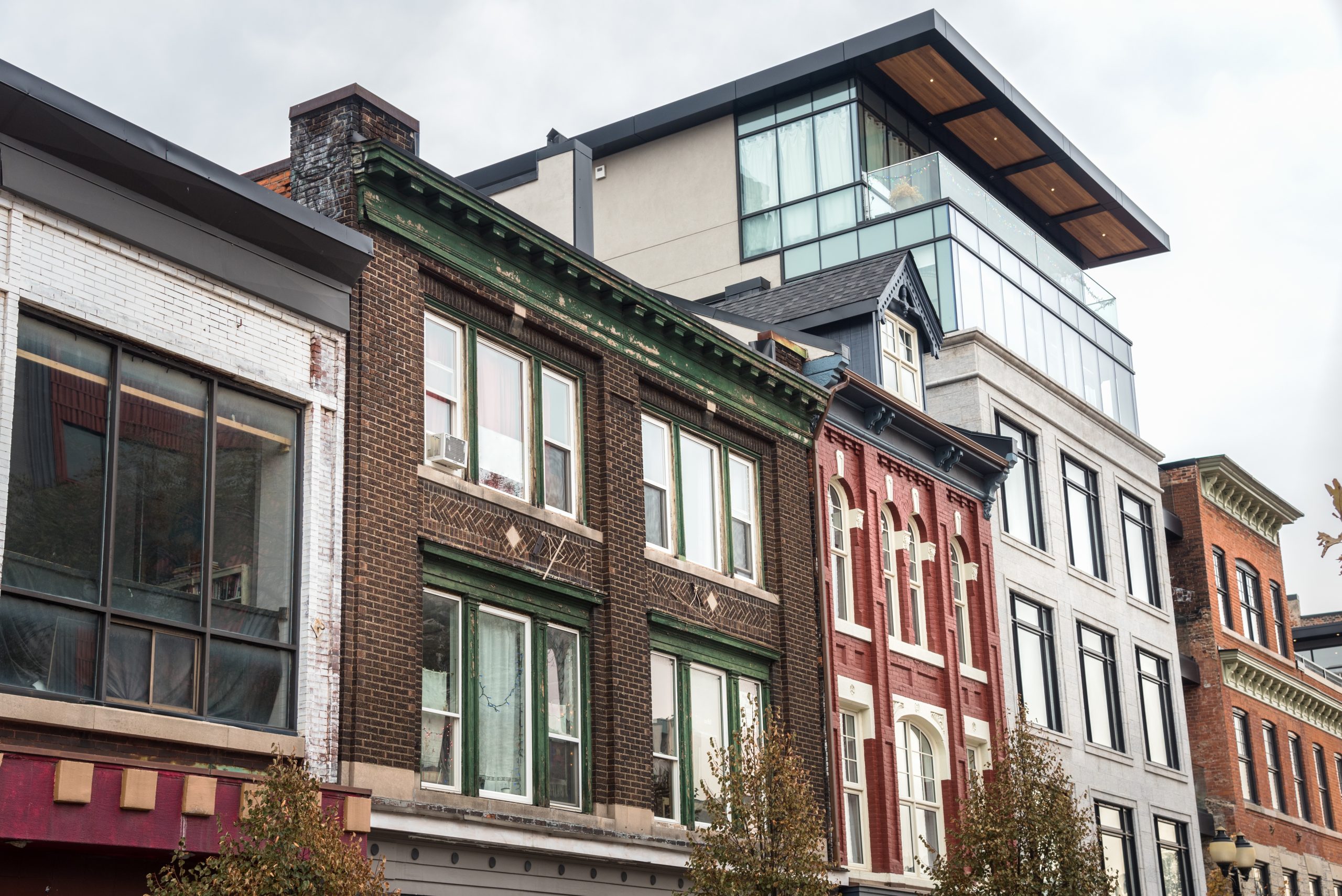
Working with commercial appraisal companies in Brant County
Choose a firm that matches your asset and timeline. For development land at scale, pick a team that can model phased absorption and show their math. For specialized industrial, look for recent assignments with similar power loads, process areas, or clear height profiles. For small retail or office, references from local brokers often reveal who writes reports that move through underwriting without drama.
Expect frank conversations. If your target price relies on a use that has a slim chance at Council, a candid appraiser will say so before you spend on drawings. If your rent assumptions outpace the market by a dollar or two per square foot, they will show you comparable evidence that tells a different story. The value of that pushback lies in the money and time it saves you, not in a number that flatters for a week and collapses at closing.
Making sense of costs and timelines right now
Construction costs remain volatile. Materials have eased in some categories compared to pandemic peaks, but electrical switchgear, certain mechanical components, and glazing can still drag schedules. Trades remain tight. Smart appraisers reflect current unit costs rather than a long-term average. They also stress test timelines. A three-month delay on approvals or equipment delivery adds interest carry and general conditions that nibble at margin.
Development charges can change policy cycle to policy cycle. Brant County and nearby municipalities have reviewed or adjusted rates in recent years, and some projects qualify for reductions or phased payments. An up-to-date schedule folded into the appraisal saves surprises. So does an honest look at soft costs, which too many pro formas compress. Design, legal, planning, permits, financing fees, and consultant studies routinely land between 15 to 25 percent of hard costs on moderate complexity projects. Higher for intricate sites.
Where the opportunities are
Industrial infill around Paris has legs, especially for 5,000 to 25,000 square foot bays aimed at trades, light assembly, and local logistics. Highway commercial at high-visibility nodes along 403 and major arterials can work when https://rentry.co/g6ywsorh access is safe and signage is clear, but full-service fuel and food players are choosy. Small-format service retail that feeds the day-to-day economy often pencils in growing residential areas of Paris and St. George, provided parking ratios and access meet tenant standards.
Adaptive reuse of older industrial or commercial buildings creates value when the shell has good bones and ceiling heights clear modern requirements. Conversions take patience and contingency, but rental premiums for well-finished space can support capex. The trick is to avoid throwing good money at buildings with fatal flaws: shallow footings, columns that wreck layout, or environmental cleanup that costs more than replacement.
On the land side, parcels with partial servicing and realistic phasing can tip the scale. A residual analysis that maps cash flow by phase, sets sales velocity to conservative levels, and applies current interest rates tells you whether to buy now, option, or pass.
A final word on process and trust
Appraisal is not an exact science, but it is not guesswork either. In Brant County, a practical, evidence-based approach separates projects that reach the finish line from those that stall. Work with commercial land appraisers in Brant County who know how the County reads its own maps, who can call the right comparables from Brantford to Cambridge, and who write clearly enough that a credit officer three cities away understands why the value makes sense.
If you are seeking a commercial building appraisal in Brant County for financing or acquisition, start the conversation early, share complete documents, and be open to course corrections. If your need is closer to commercial property assessment strategy, understand that MPAC and independent valuation serve different purposes and hire accordingly. And if you are shortlisting commercial appraisal companies in Brant County, ask for examples of work in your asset type, then read a sample report. Strong ones are transparent, defend their assumptions, and leave you better equipped to make the next decision.